
Custom Manufacturing, Project Outsourcing, your Trusted Partner from China
The procurement of chemical intermediates is a cornerstone of the pharmaceutical and fine chemical industries. Bis(4-methoxy-benzyl)-amine (CAS: 17061-62-0) is one such intermediate, recognized for its crucial role in the synthesis of advanced pharmaceutical compounds. For procurement managers and R&D scientists, understanding the nuances of sourcing this specific chemical is key to ensuring project success, cost-efficiency, and product quality. This article offers insights into what buyers should consider when looking to buy Bis(4-methoxy-benzyl)-amine.
Bis(4-methoxy-benzyl)-amine is valued for its contribution to developing key therapeutic agents. It serves as a reagent in the synthesis of pentanedioc acid derivatives, which are explored for their potential as farnesyltransferase inhibitors. These inhibitors are of significant interest in oncology and other disease areas. Additionally, the compound is instrumental in the preparation of (heteroarylamino)triazolamines, which are being investigated for their antiviral efficacy, notably against the Hepatitis C Virus (HCV). The application scope highlights the demand for high-purity, reliably sourced material.
When sourcing this chemical, especially from international markets, identifying reputable suppliers is a primary concern. China has a robust chemical manufacturing sector, offering numerous options for Bis(4-methoxy-benzyl)-amine. However, buyers must perform due diligence to select a manufacturer that guarantees product quality, consistency, and ethical business practices. Key information to request includes the Certificate of Analysis (CoA), which details purity levels (typically 97% or higher), and Material Safety Data Sheets (MSDS). Understanding the physical properties, such as its solid form and solubility in solvents like chloroform and methanol, is also important for process integration.
The price of Bis(4-methoxy-benzyl)-amine is a significant factor for any procurement manager. While competitive pricing is often sought, it should not come at the expense of quality or reliability. Buyers should compare quotes from multiple suppliers, considering not just the per-unit cost but also shipping costs, lead times, and payment terms. Establishing a strong relationship with a trusted supplier can often lead to better pricing and preferential treatment for future orders, making it easier to secure the material needed for both R&D and scale-up.
Furthermore, understanding the chemical's storage requirements – typically in a cool, dry place, protected from light, and often under refrigeration (2-8°C) – is vital for maintaining its integrity post-purchase. This ensures that the compound remains effective for its intended synthetic applications. For organizations needing this intermediate, leveraging the expertise of specialized chemical distributors or directly engaging with established manufacturers can streamline the procurement process, ensuring that essential R&D and production timelines are met effectively.
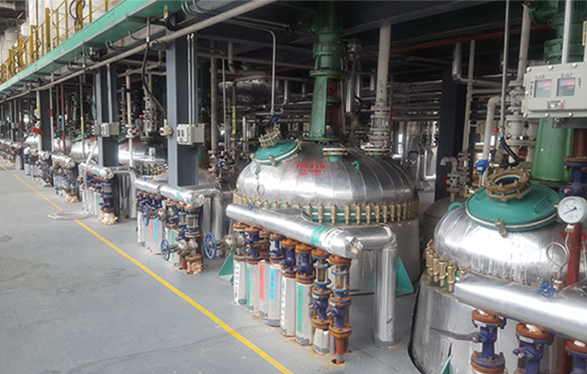
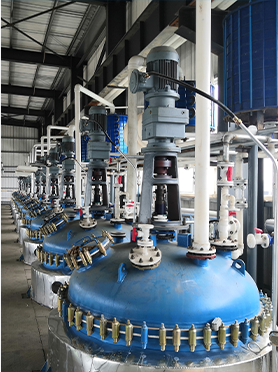
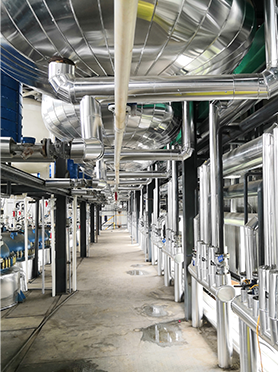
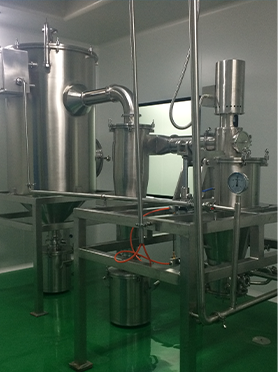
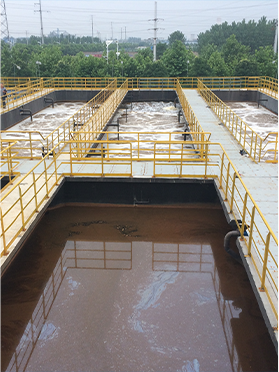
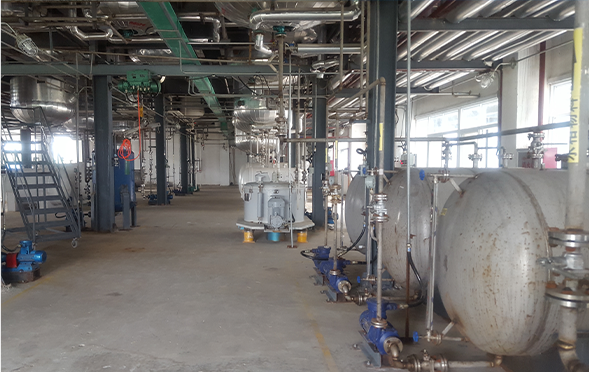
Manufacturing Facilities
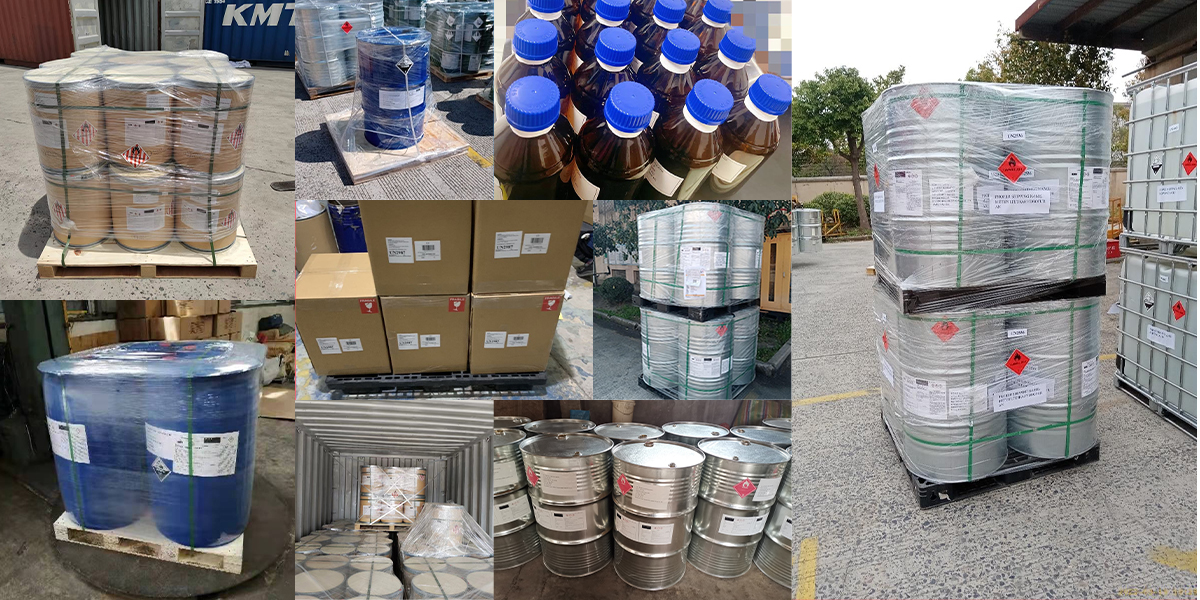
Professional Export Experience
to Global Customers
1. 20 years of R&D, manufacturing and sales experience, serving customers in 60 countries and regions around the world;
2. Own R&D laboratory, pilot platform and large-scale production workshop, which can meet the audit requirements of global customers;
3. We can satisfy customers' perfect transition from small scale lab requirements (gram level) to commercialization requirements (hundred tons level).
A: We don't have Minimum Order Quantity, exact quantity should be provided before quotation for us to calculate the exact cost.
A: We don't provide free samples due to lots of request and expensive international courier's cost, we can deduct the sample charge after commercial order placed.
A: Our payment terms: Small or sample order: T/T IN ADVANCE. Commercial order: First order should be by T/T IN ADVANCE or L/C at sight, and following orders T/T 30~90days is acceptable subject to approval of credit application.