
Custom Manufacturing, Project Outsourcing, your Trusted Partner from China
For scientists engaged in research related to cellular energy, enzyme function, and metabolic pathways, Phosphocreatine Disodium Salt (also known as Creatine Phosphate Disodium Salt, CAS 922-32-7) is an indispensable compound. Its role as a vital energy buffer in high-demand tissues necessitates its use in numerous experimental settings. This guide provides insights for researchers and procurement professionals on how to efficiently purchase this crucial biochemical.
Phosphocreatine Disodium Salt functions within the phosphocreatine-ATP energy shuttle system. It serves as a phosphate reservoir, readily donating a phosphate group to ADP to regenerate ATP, the cell's primary energy currency. This process is mediated by the enzyme creatine kinase. Understanding this mechanism highlights why researchers seek high-purity forms of the compound for accurate studies on muscle contraction, neuronal activity, and cardiac function. The compound is typically available as a white powder, with molecular specifications like formula C4H8N3Na2O5P and molecular weight 255.08 being standard.
When planning to buy Phosphocreatine Disodium Salt, careful selection of a supplier is paramount. Prioritize manufacturers and distributors who can guarantee high purity, often stated as ≥97%. Essential documentation, such as a Certificate of Analysis (CoA) and a Safety Data Sheet (SDS), should be readily available from the supplier. These documents confirm product quality and provide critical safety information for laboratory handling. Many companies, including those based in China, offer this chemical and are competitive in pricing, especially for bulk orders.
Researchers are encouraged to obtain quotes from multiple suppliers to compare pricing, delivery times, and product specifications. Consider the supplier’s reputation for quality control and customer support. A reliable partner will not only deliver consistent product quality but also offer responsive service for any technical inquiries or ordering assistance. Factors such as minimum order quantities and packaging options should also be considered based on your laboratory’s needs.
In conclusion, Phosphocreatine Disodium Salt (CAS 922-32-7) is a critical reagent for advancing our understanding of cellular energy metabolism. By focusing on quality parameters and partnering with reputable manufacturers and suppliers, researchers can ensure they acquire the best possible materials for their scientific endeavors. We, as a committed producer and supplier, are here to support your research needs with our high-quality Phosphocreatine Disodium Salt. Please feel free to contact us for quotes, samples, and further information.
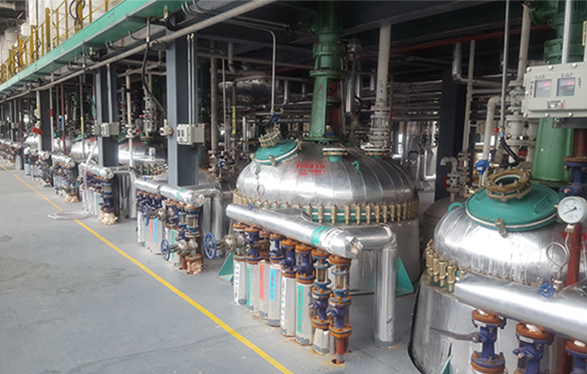
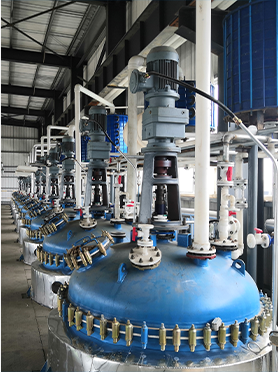
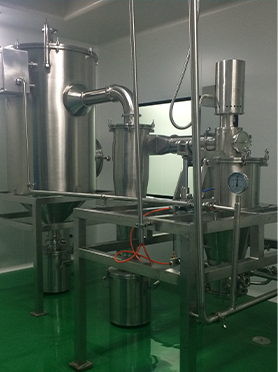
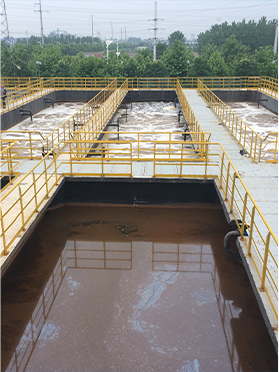
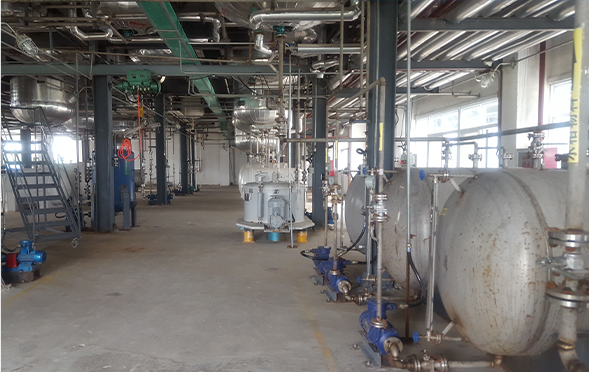
Manufacturing Facilities

Professional Export Experience
to Global Customers
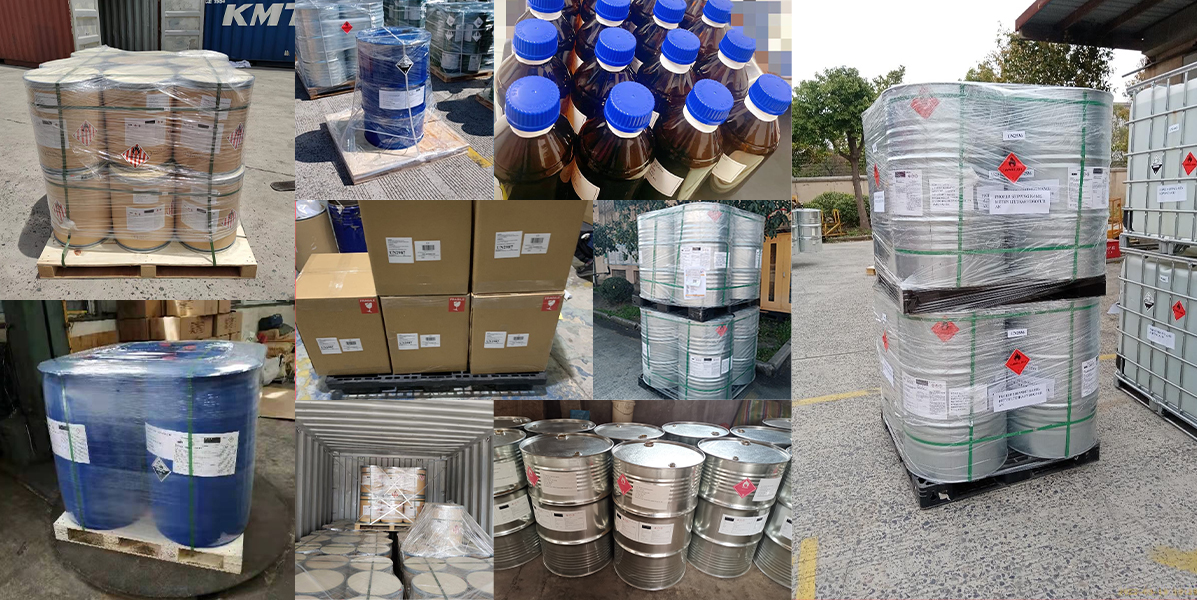
1. 20 years of R&D, manufacturing and sales experience, serving customers in 60 countries and regions around the world;
2. Own R&D laboratory, pilot platform and large-scale production workshop, which can meet the audit requirements of global customers;
3. We can satisfy customers' perfect transition from small scale lab requirements (gram level) to commercialization requirements (hundred tons level).
A: We don't have Minimum Order Quantity, exact quantity should be provided before quotation for us to calculate the exact cost.
A: We don't provide free samples due to lots of request and expensive international courier's cost, we can deduct the sample charge after commercial order placed.
A: Our payment terms: Small or sample order: T/T IN ADVANCE. Commercial order: First order should be by T/T IN ADVANCE or L/C at sight, and following orders T/T 30~90days is acceptable subject to approval of credit application.