
Custom Manufacturing, Project Outsourcing, your Trusted Partner from China
Propylene Glycol, known by its E-number E1520, is a widely recognized and utilized additive in the food industry. Its designation as GRAS (Generally Recognized As Safe) by regulatory bodies like the US FDA and its approval in the European Union attest to its safety profile when used within specified limits. For food manufacturers and ingredient suppliers, understanding the benefits and applications of Propylene Glycol is key to enhancing product quality and consumer appeal.
The primary functions of Propylene Glycol in food products stem from its physical and chemical properties. As a humectant, it helps maintain moisture content in foods, contributing to desirable texture and preventing drying out. This is particularly beneficial in baked goods, confectionery, and processed meats. For example, in icings and frostings, it prevents sugar crystallization and maintains a smooth, pliable consistency. In shredded coconut, it ensures moisture retention and a softer texture.
Propylene Glycol also excels as a solvent and carrier for flavors and colors. Many potent flavor compounds and food colorants are not water-soluble. Propylene Glycol acts as an effective medium to dissolve and disperse these ingredients evenly throughout the food product, ensuring consistent flavor and color distribution. This is critical in beverages, candies, and savory seasonings, where uniform taste and appearance are essential.
Its bacteriostatic and fungistatic properties contribute to food preservation. In concentrations typically ranging from 15% to 30%, Propylene Glycol can inhibit the growth of certain microorganisms, extending the shelf life of food products. This makes it a valuable component in formulations where microbial spoilage is a concern.
The GRAS status of Propylene Glycol means it has undergone rigorous safety evaluations. Regulatory bodies have established acceptable daily intake (ADI) levels and maximum usage limits for various food categories. For instance, limits apply to alcoholic beverages, frozen dairy products, and flavorings. As a responsible manufacturer and supplier, we ensure our food-grade Propylene Glycol (CAS 57-55-6) meets all relevant purity standards and regulatory requirements, providing transparency and traceability for our clients.
Common food applications for Propylene Glycol include:
When sourcing Propylene Glycol for food applications, it is crucial to partner with a reputable supplier that can guarantee the purity and safety standards required for food-grade ingredients. Our commitment to quality ensures that our Propylene Glycol is an ideal choice for food manufacturers seeking to enhance their products safely and effectively.
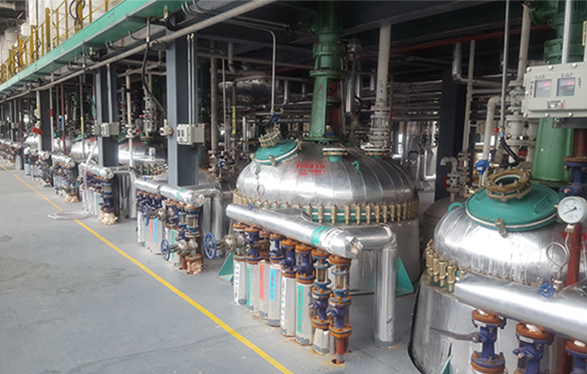
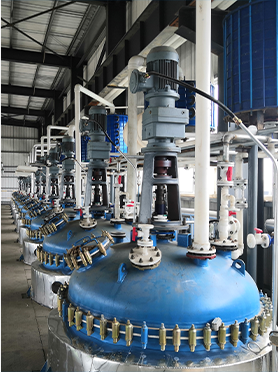
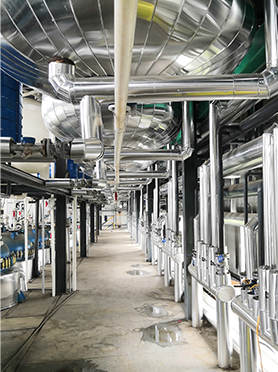
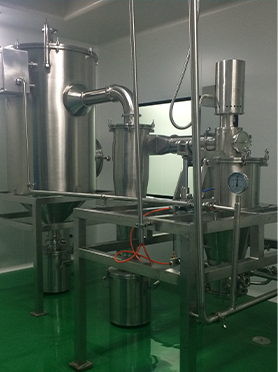
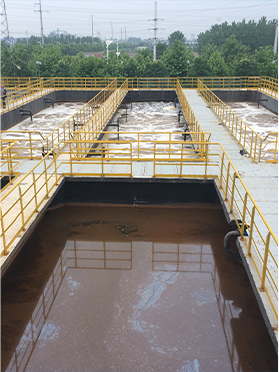
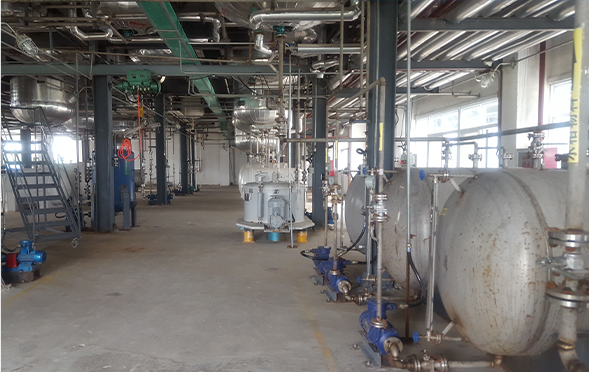
Manufacturing Facilities
Professional Export Experience
to Global Customers
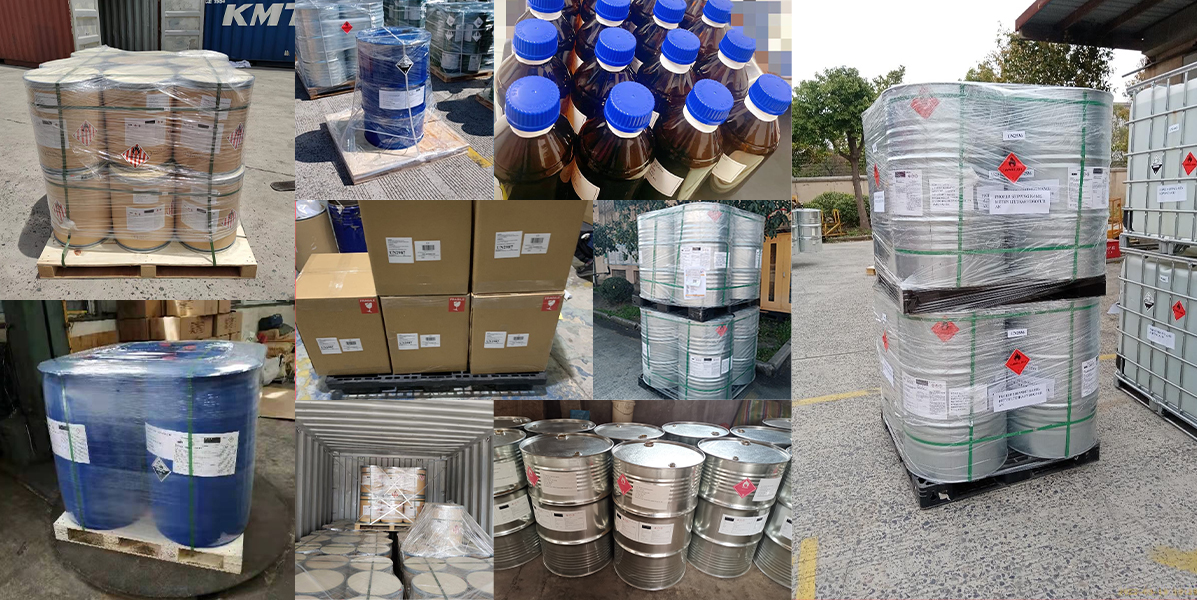
1. 20 years of R&D, manufacturing and sales experience, serving customers in 60 countries and regions around the world;
2. Own R&D laboratory, pilot platform and large-scale production workshop, which can meet the audit requirements of global customers;
3. We can satisfy customers' perfect transition from small scale lab requirements (gram level) to commercialization requirements (hundred tons level).
A: We don't have Minimum Order Quantity, exact quantity should be provided before quotation for us to calculate the exact cost.
A: We don't provide free samples due to lots of request and expensive international courier's cost, we can deduct the sample charge after commercial order placed.
A: Our payment terms: Small or sample order: T/T IN ADVANCE. Commercial order: First order should be by T/T IN ADVANCE or L/C at sight, and following orders T/T 30~90days is acceptable subject to approval of credit application.