
Custom Manufacturing, Project Outsourcing, your Trusted Partner from China
Purified Terephthalic Acid (PTA) is not only the genesis of the widely used polyester materials but also plays a role in their sustainable future. As a fundamental building block for polyethylene terephthalate (PET), PTA's influence spans from the initial chemical synthesis to the eventual recycling and repurposing of polyester products. Understanding the entire lifecycle, with PTA at its core, is crucial for appreciating the environmental considerations and innovations within the polyester industry.
The primary PTA production process involves the catalytic oxidation of p-xylene, yielding PTA as a high-purity chemical intermediate. This PTA is then polymerized with monoethylene glycol (MEG) to create PET. PET is the polymer that forms the basis for polyester fibers used in textiles, PET resins used for bottles and packaging, and PET films used in various industrial applications. The quality and consistency of the PTA directly influence the properties of these final polyester products, including their strength, clarity, and thermal stability. For instance, the suitability of PTA for PTA for bottle grade polyester depends heavily on its low impurity profile, ensuring that the resulting PET bottles are safe for food and beverage contact and possess excellent barrier properties.
Beyond virgin production, the concept of circularity is increasingly integrated into the polyester lifecycle. As PET products, such as plastic bottles and textiles, reach the end of their useful life, recycling becomes a critical component. Mechanical and chemical recycling methods aim to recover PET and, in some cases, its constituent monomers, including terephthalic acid. Chemical recycling, in particular, can depolymerize PET back into its original monomers, which can then be purified and re-polymerized to create new, high-quality polyester. This process significantly reduces the need for virgin PTA derived from petrochemical sources, thereby conserving resources and minimizing environmental impact. The efficient PTA production process and subsequent polymerization are key to the viability of these recycling streams.
The emphasis on sustainability within the polyester industry means that advancements in both virgin PTA production and recycling technologies are continuously being pursued. Innovations in the PTA production process focus on reducing energy consumption and waste generation. Simultaneously, improvements in PET recycling technologies are enhancing the efficiency of monomer recovery and purification. This holistic approach, where PTA is both the starting point and a potential end-product of recycling efforts, underscores its central role in a more sustainable future for polyester. The continuous improvement in PTA quality control also supports the use of recycled content without compromising product performance.
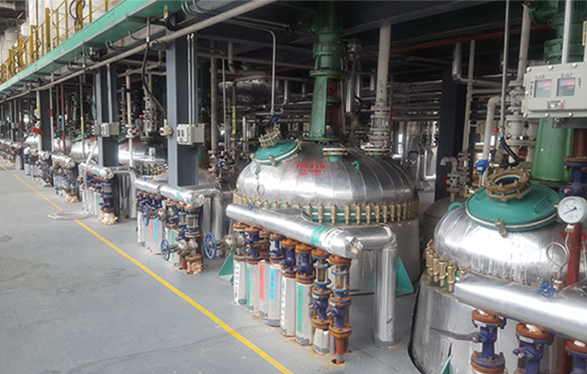
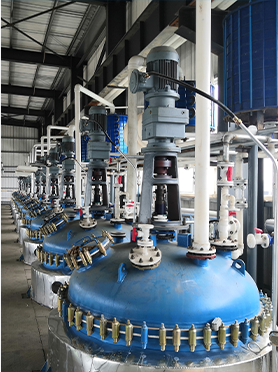
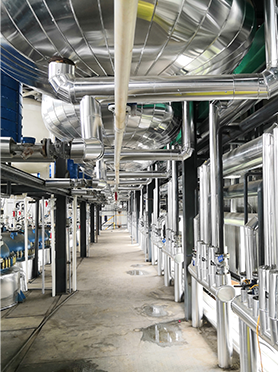
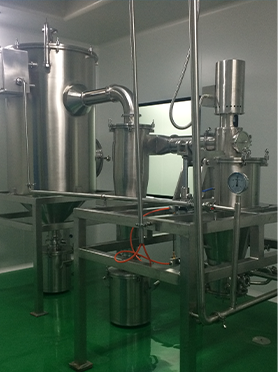
Manufacturing Facilities
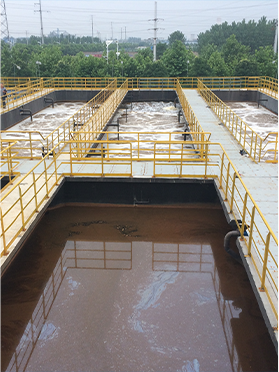
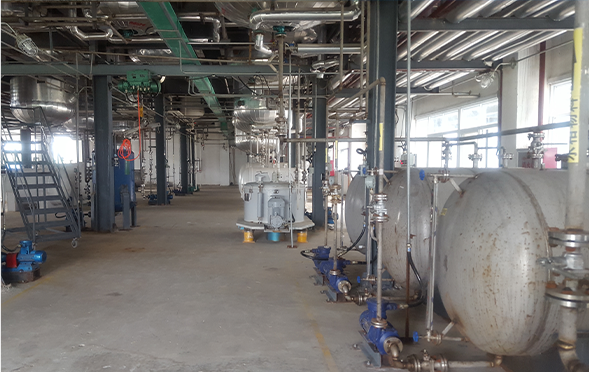
Professional Export Experience
to Global Customers
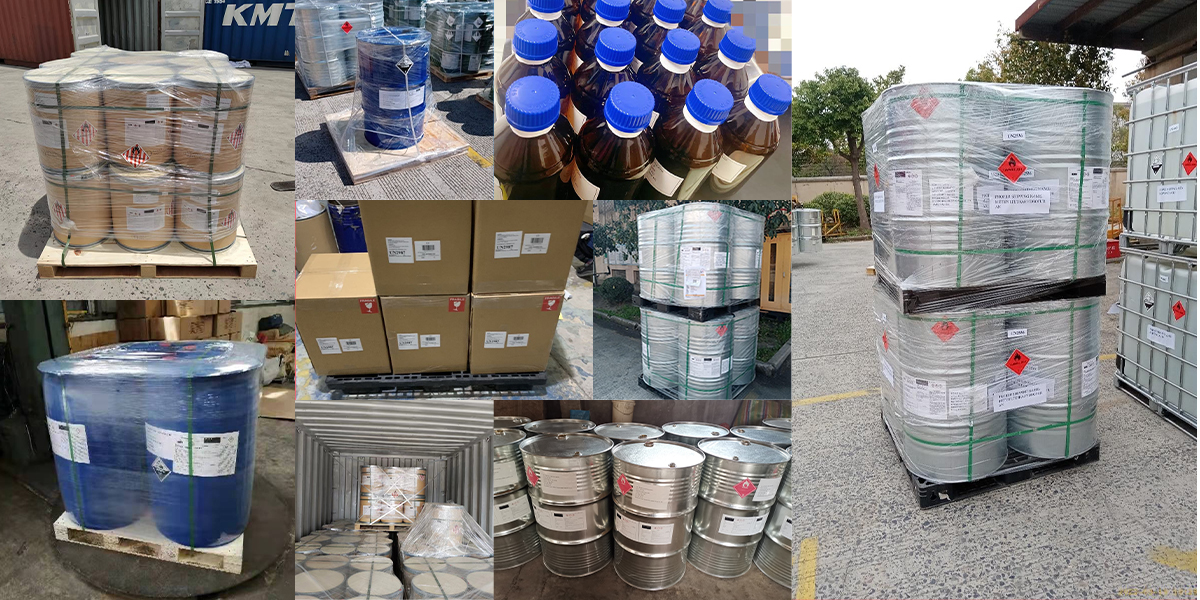
1. 20 years of R&D, manufacturing and sales experience, serving customers in 60 countries and regions around the world;
2. Own R&D laboratory, pilot platform and large-scale production workshop, which can meet the audit requirements of global customers;
3. We can satisfy customers' perfect transition from small scale lab requirements (gram level) to commercialization requirements (hundred tons level).
A: We don't have Minimum Order Quantity, exact quantity should be provided before quotation for us to calculate the exact cost.
A: We don't provide free samples due to lots of request and expensive international courier's cost, we can deduct the sample charge after commercial order placed.
A: Our payment terms: Small or sample order: T/T IN ADVANCE. Commercial order: First order should be by T/T IN ADVANCE or L/C at sight, and following orders T/T 30~90days is acceptable subject to approval of credit application.