
Custom Manufacturing, Project Outsourcing, your Trusted Partner from China
The sophisticated chemistry behind Organic Light-Emitting Diodes (OLEDs) relies on a precise assembly of specialized organic molecules. Among these, Phenylisoquinoline (CAS 3297-72-1) emerges as a fundamental precursor, indispensable for the synthesis of materials that define OLED performance. For researchers and procurement specialists in the advanced materials sector, understanding the nuances of purchasing this vital chemical is key to unlocking the full potential of OLED technology.
Understanding Phenylisoquinoline for OLED Synthesis
Phenylisoquinoline, identified by its CAS number 3297-72-1 and chemical formula C15H11N, is valued for its molecular structure, which lends itself to the creation of molecules with desirable electronic and photophysical properties. These properties are crucial for developing efficient emissive layers, charge transport layers, and host materials within an OLED stack. When engaging in the purchase of Phenylisoquinoline, typical specifications include a minimum purity of 97%, a molecular weight of 205.26, and a melting point of 96°C. These parameters are critical for ensuring consistent results in complex organic synthesis reactions.
Key Considerations When You Buy Phenylisoquinoline
For R&D scientists and product formulators, the primary concern when purchasing Phenylisoquinoline is the reliability and quality of the supply. Identifying reputable manufacturers and suppliers is paramount. Many leading chemical companies, particularly those based in China, specialize in providing high-purity intermediates for the electronics industry. When you decide to buy, consider the following:
Driving Innovation with Strategic Sourcing
The continuous innovation in OLED technology—from flexible screens to energy-efficient lighting—depends on access to advanced chemical building blocks. By strategically sourcing Phenylisoquinoline, companies can accelerate their product development, optimize manufacturing processes, and maintain a competitive edge. A well-managed supply chain for this critical intermediate ensures that the pace of innovation in displays and lighting remains unhindered.
In essence, Phenylisoquinoline (CAS 3297-72-1) is a vital component for the future of OLED technology. Understanding its role and diligently selecting a trustworthy supplier or manufacturer is an essential step for any organization aiming to excel in the competitive landscape of advanced materials.
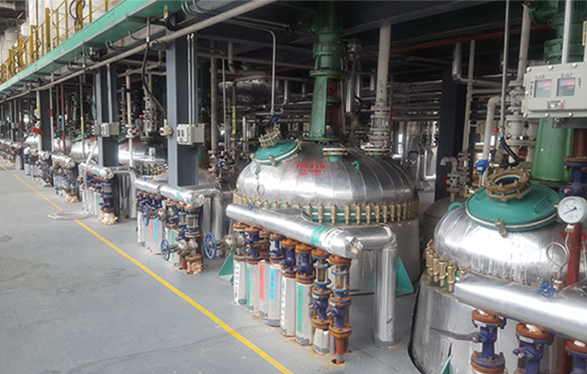
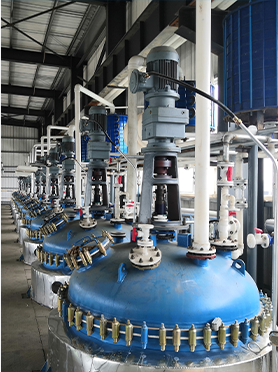
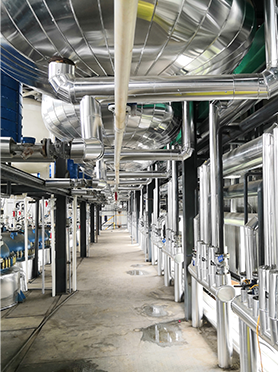
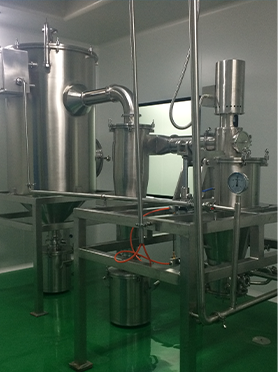
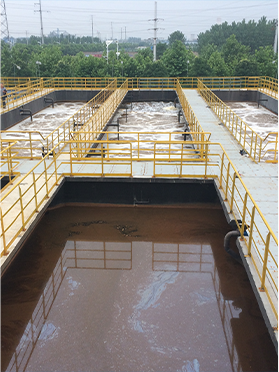
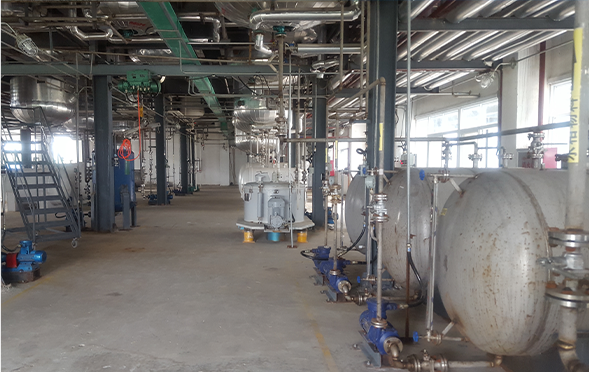
Manufacturing Facilities
Professional Export Experience
to Global Customers
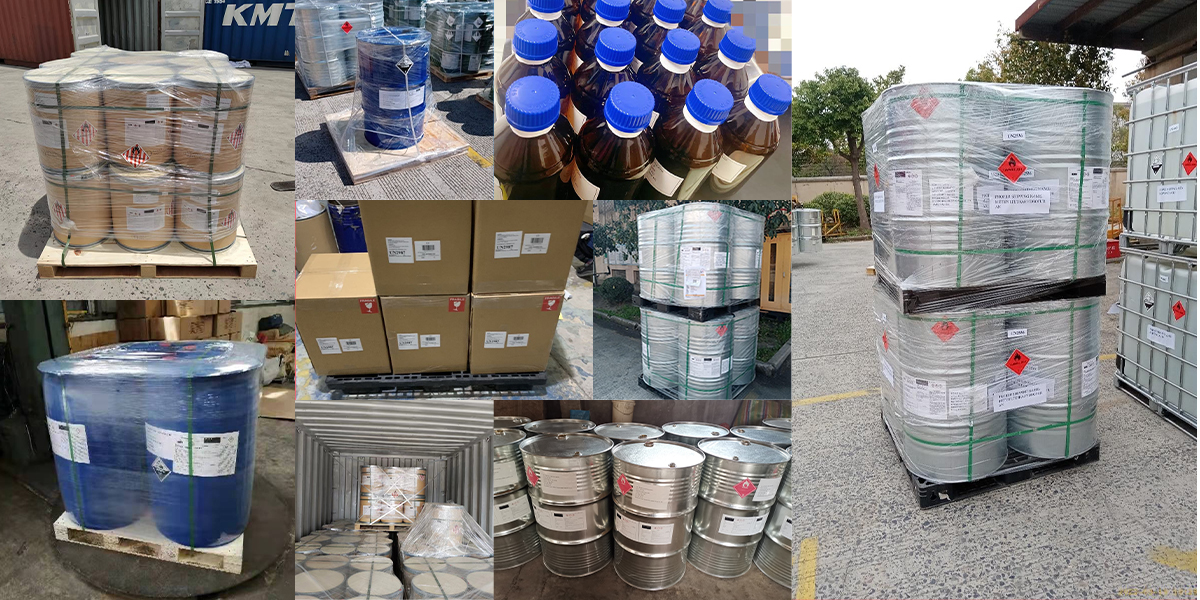
1. 20 years of R&D, manufacturing and sales experience, serving customers in 60 countries and regions around the world;
2. Own R&D laboratory, pilot platform and large-scale production workshop, which can meet the audit requirements of global customers;
3. We can satisfy customers' perfect transition from small scale lab requirements (gram level) to commercialization requirements (hundred tons level).
A: We don't have Minimum Order Quantity, exact quantity should be provided before quotation for us to calculate the exact cost.
A: We don't provide free samples due to lots of request and expensive international courier's cost, we can deduct the sample charge after commercial order placed.
A: Our payment terms: Small or sample order: T/T IN ADVANCE. Commercial order: First order should be by T/T IN ADVANCE or L/C at sight, and following orders T/T 30~90days is acceptable subject to approval of credit application.