
Custom Manufacturing, Project Outsourcing, your Trusted Partner from China
In the competitive landscape of chemical manufacturing, quality assurance is not merely a procedural step; it's the bedrock of trust and product efficacy. For a versatile intermediate like 2,4,6-Trichlorophenol (CAS 88-06-2), ensuring it meets stringent industry standards is paramount for its successful application in diverse sectors, from agrochemicals to pharmaceuticals. As a dedicated manufacturer, our commitment to quality is unwavering.
The Significance of Purity for 2,4,6-Trichlorophenol
The primary indicator of quality for 2,4,6-Trichlorophenol is its purity. Most industrial applications, especially in the synthesis of active pharmaceutical ingredients (APIs) or complex agrochemicals, demand high purity levels, often ≥99.0%. Impurities can lead to side reactions, reduced yields, and potentially compromise the performance or safety of the final product. Therefore, when you buy 2,4,6-trichlorophenol, it is essential to verify its assay and impurity profile.
Adherence to International Standards
Leading chemical manufacturers strive to meet recognized international standards. For 2,4,6-Trichlorophenol, this often includes compliance with standards such as USP (United States Pharmacopeia), BP (British Pharmacopoeia), EP (European Pharmacopoeia), and FCC (Food Chemicals Codex), where applicable. These standards dictate rigorous testing protocols for identity, purity, and the absence of harmful contaminants. Working with a 2,4,6-trichlorophenol supplier that can provide documentation confirming adherence to these standards offers significant assurance.
Quality Control Measures in Manufacturing
Robust quality control (QC) is integrated throughout the manufacturing process. This typically involves:
Certifications and Audits
Reputable manufacturers often undergo third-party audits and obtain certifications such as ISO 9001 (Quality Management Systems). These external validations provide an objective assessment of a company's commitment to quality. When you are looking to purchase 2,4,6-trichlorophenol, inquire about the certifications held by potential suppliers. For instance, manufacturers offering GMP (Good Manufacturing Practice) or SGS certifications demonstrate a high level of quality commitment, especially for pharmaceutical or food-grade applications.
Conclusion
Ensuring the quality of 2,4,6-Trichlorophenol is non-negotiable for its effective and safe use in industrial and pharmaceutical applications. By partnering with manufacturers who prioritize stringent quality assurance, adhere to international standards, and employ comprehensive QC measures, businesses can be confident in the reliability and performance of the chemicals they procure. For those seeking a dependable 2,4,6-trichlorophenol manufacturer, transparency regarding quality control and certifications is key to building a strong and productive supply chain.
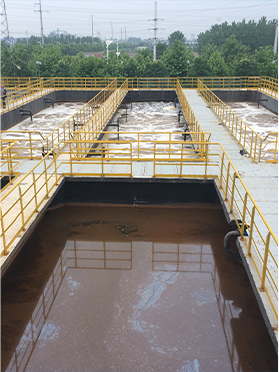
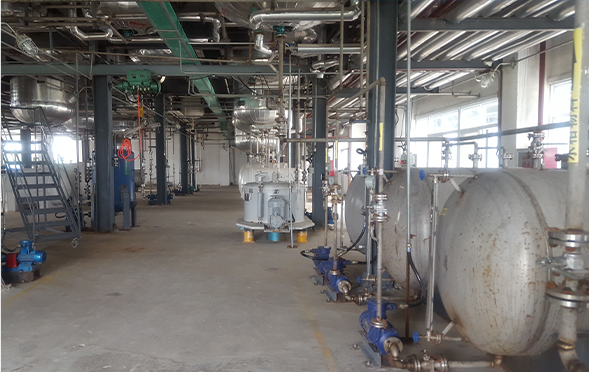
Manufacturing Facilities
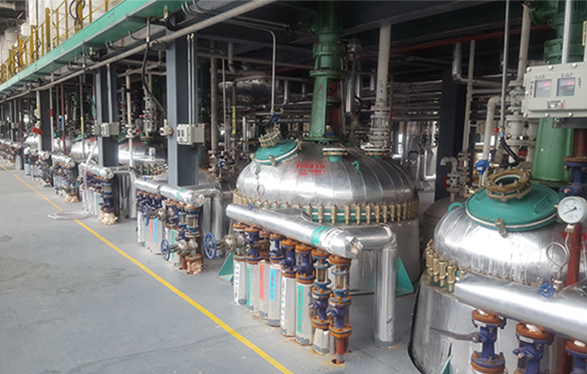
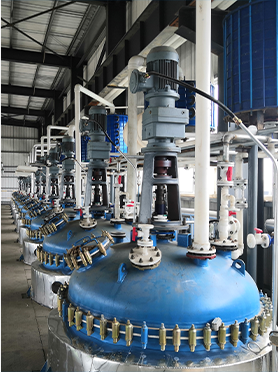
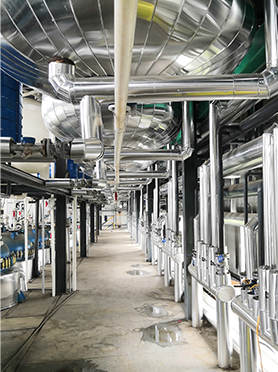
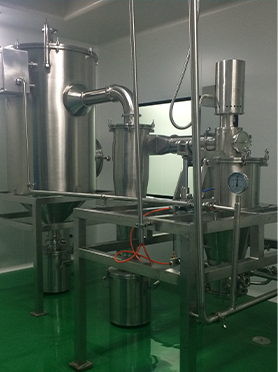
Professional Export Experience
to Global Customers
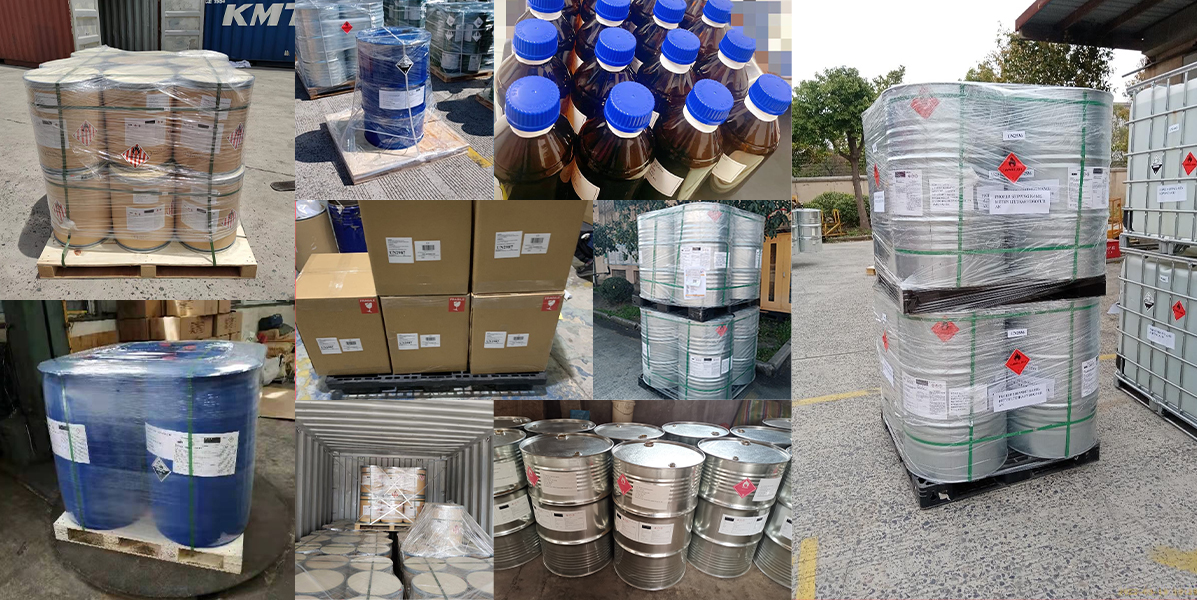
1. 20 years of R&D, manufacturing and sales experience, serving customers in 60 countries and regions around the world;
2. Own R&D laboratory, pilot platform and large-scale production workshop, which can meet the audit requirements of global customers;
3. We can satisfy customers' perfect transition from small scale lab requirements (gram level) to commercialization requirements (hundred tons level).
A: We don't have Minimum Order Quantity, exact quantity should be provided before quotation for us to calculate the exact cost.
A: We don't provide free samples due to lots of request and expensive international courier's cost, we can deduct the sample charge after commercial order placed.
A: Our payment terms: Small or sample order: T/T IN ADVANCE. Commercial order: First order should be by T/T IN ADVANCE or L/C at sight, and following orders T/T 30~90days is acceptable subject to approval of credit application.