
Custom Manufacturing, Project Outsourcing, your Trusted Partner from China
In the highly regulated pharmaceutical and fine chemical industries, the quality of raw materials is not just a preference, but a critical requirement. For intermediates like 2-Thioadenosine (CAS 43157-50-2), stringent quality control (QC) and quality assurance (QA) measures are indispensable. Whether you are a researcher looking for precise experimental results or a manufacturer producing life-saving drugs, ensuring the purity, identity, and consistency of your 2-Thioadenosine supply is paramount. This article outlines the essential aspects of QC/QA for this vital compound.
The most fundamental document accompanying any purchase of 2-Thioadenosine should be a Certificate of Analysis (CoA). A CoA is a formal document issued by the manufacturer or an accredited laboratory that attests to the quality of a specific batch of product. For 2-Thioadenosine, a CoA typically includes critical parameters such as: Purity (often specified by HPLC, e.g., >95.0% or higher), Identification (verified by methods like 1H-NMR, Mass Spectrometry, or IR spectroscopy), Appearance (matching the expected pale yellow to yellow solid), and potentially other relevant physical properties like melting point or moisture content.
High-Performance Liquid Chromatography (HPLC) is the gold standard for determining the purity of 2-Thioadenosine. This analytical technique separates and quantifies different components in a sample, allowing for the precise measurement of the main compound and any potential impurities. When evaluating a supplier, it is important to ensure their CoA provides detailed HPLC data, including chromatograms if possible, to verify the reported purity. Other analytical techniques, such as Gas Chromatography (GC) or Thin-Layer Chromatography (TLC), might also be employed depending on the specific impurity profile and regulatory requirements.
Beyond purity, confirming the identity of 2-Thioadenosine is equally crucial. Spectroscopic methods play a vital role here. Proton Nuclear Magnetic Resonance (¹H NMR) spectroscopy provides detailed information about the hydrogen atoms in the molecule, offering a unique fingerprint for identification. Mass Spectrometry (MS) confirms the molecular weight, and Infrared (IR) spectroscopy identifies characteristic functional groups within the molecule. Manufacturers often provide spectra data or references on their CoAs to support the compound's identity. When you buy 2-Mercaptoadenosine, especially for critical applications, verifying this spectroscopic data is a key step.
For users involved in pharmaceutical manufacturing, regulatory compliance is a significant consideration. This includes understanding the manufacturing practices of the supplier. While not all suppliers may offer GMP (Good Manufacturing Practice) certified material for intermediates, it is advisable to inquire about their quality management systems. For Cangrelor intermediates, demonstrating robust quality control is essential. Establishing a relationship with manufacturers in China who have invested in quality systems can provide assurance. Companies often perform supplier audits or rely on third-party quality assessments to ensure their chosen manufacturer meets industry standards.
Finally, for researchers and developers, understanding the storage and handling recommendations for 2-Thioadenosine is part of quality assurance. Proper storage, as typically recommended (e.g., protected from light, cool and dry conditions), helps maintain the compound's integrity over time. This ensures that the material remains fit for purpose throughout its shelf life. By diligently reviewing CoAs, understanding analytical methods, and inquiring about manufacturing practices, professionals can confidently purchase 2-Thioadenosine and ensure the success of their critical projects.
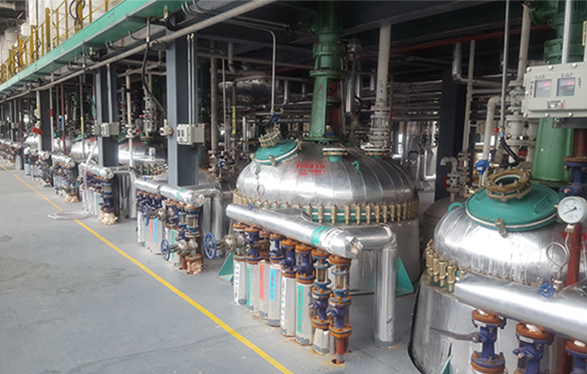
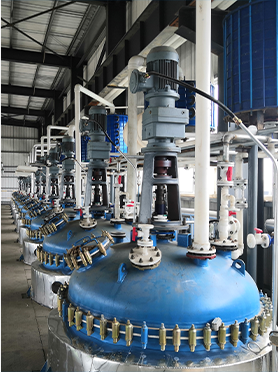
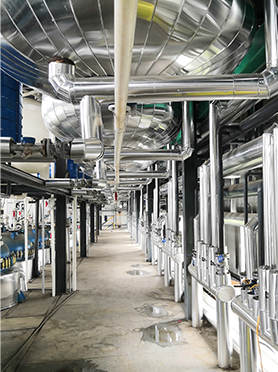
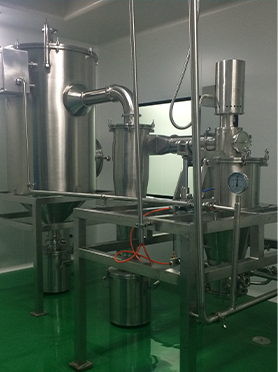
Manufacturing Facilities
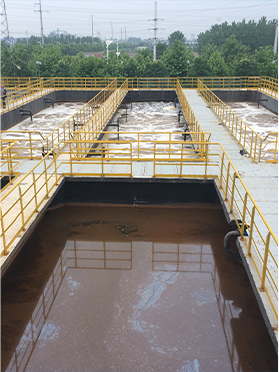
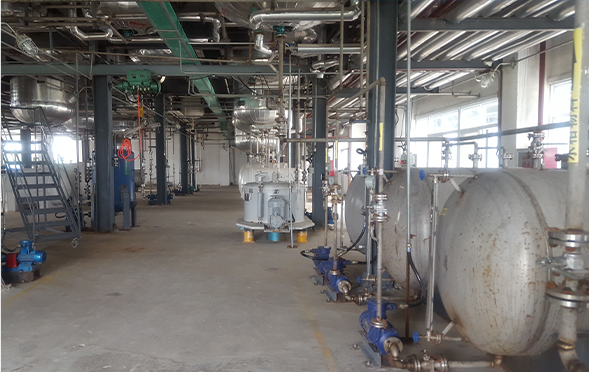
Professional Export Experience
to Global Customers
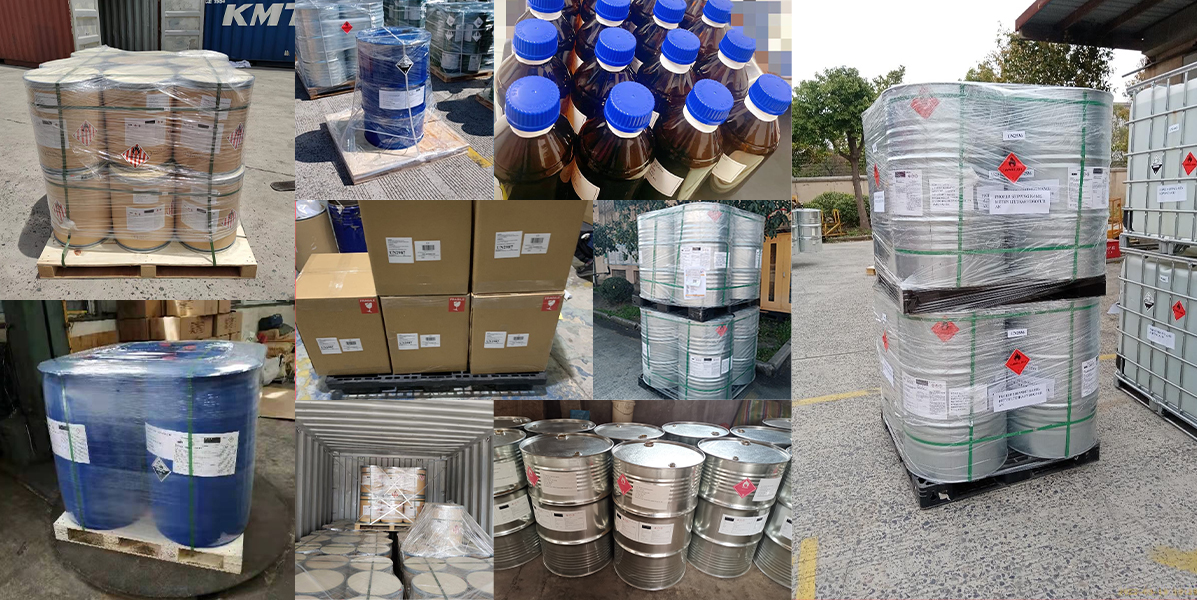
1. 20 years of R&D, manufacturing and sales experience, serving customers in 60 countries and regions around the world;
2. Own R&D laboratory, pilot platform and large-scale production workshop, which can meet the audit requirements of global customers;
3. We can satisfy customers' perfect transition from small scale lab requirements (gram level) to commercialization requirements (hundred tons level).
A: We don't have Minimum Order Quantity, exact quantity should be provided before quotation for us to calculate the exact cost.
A: We don't provide free samples due to lots of request and expensive international courier's cost, we can deduct the sample charge after commercial order placed.
A: Our payment terms: Small or sample order: T/T IN ADVANCE. Commercial order: First order should be by T/T IN ADVANCE or L/C at sight, and following orders T/T 30~90days is acceptable subject to approval of credit application.