
Custom Manufacturing, Project Outsourcing, your Trusted Partner from China
Corrosion is a pervasive issue across industries, impacting the integrity and lifespan of metallic components. NINGBO INNO PHARMCHEM CO.,LTD. is at the forefront of developing advanced chemical solutions, and a key area of our research involves understanding the fundamental molecular interactions that govern corrosion inhibition. This article examines how quantum chemical studies provide crucial insights into why certain organophosphorus derivatives, like DAMP, are exceptionally effective in protecting copper in acidic environments.
The effectiveness of a corrosion inhibitor is intrinsically linked to its molecular structure and its ability to interact with a metal surface. While experimental methods like weight loss and electrochemical analysis provide performance data, quantum chemistry offers a deeper, theoretical understanding of these interactions. By employing computational methods such as Density Functional Theory (DFT), scientists can model molecules and predict their behavior at the atomic and electronic levels.
For organophosphorus derivatives, the presence of specific functional groups and heteroatoms (phosphorus, nitrogen, oxygen) is paramount. Quantum chemical calculations can reveal the electron density distribution within the molecule, the energy levels of its highest occupied molecular orbital (HOMO) and lowest unoccupied molecular orbital (LUMO), and parameters like global hardness and softness. These properties dictate how readily a molecule can donate or accept electrons, which is fundamental to its adsorption onto a metal surface.
In the context of copper corrosion inhibition, molecules with a high electron density, particularly around heteroatoms and pi-electron systems (like aromatic rings), tend to adsorb strongly onto the copper surface. Quantum chemical parameters, such as a high HOMO energy level and low LUMO energy level, often correlate with a greater propensity for electron donation to vacant d-orbitals on the copper metal, thus forming strong coordinate bonds. These interactions are the basis of the DAMP corrosion inhibitor mechanism.
The quantum chemical study of corrosion inhibition also helps explain the synergistic effects observed when certain molecular fragments are combined. For organophosphorus compounds, the phosphorus atom, along with nitrogen and oxygen atoms, acts as an anchor point for adsorption. The electron-rich aromatic rings can further stabilize this adsorption by delocalizing electron density. This detailed understanding allows for the rational design of new, more efficient inhibitors, moving beyond trial-and-error experimentation.
Experimental validation is, of course, essential. The correlation between quantum chemical predictions and results obtained from weight loss, electrochemical studies, and surface characterization techniques like SEM and EDX is what gives these theoretical insights practical value. When theoretical models accurately predict inhibitor performance, it validates both the computational approach and the underlying chemical principles of corrosion inhibition.
For industries looking to buy or purchase corrosion inhibitors, understanding the scientific basis behind their efficacy can guide selection. The robust performance of DAMP inhibitors in acidic media is well-supported by quantum chemical investigations, which confirm their strong adsorption capabilities and protective film formation. This aligns with the broader field of adsorption isotherm copper corrosion inhibition, providing a comprehensive view of inhibitor behavior.
At NINGBO INNO PHARMCHEM CO.,LTD., we integrate these advanced quantum insights into our product development cycle. By understanding the molecular drivers of corrosion protection, we can offer highly effective and efficient solutions tailored to specific industrial needs. Our commitment to research ensures that we provide not just chemicals, but scientifically validated performance.
Exploring the quantum level of interaction between inhibitors and metal surfaces opens new frontiers in material science. It allows us to design next-generation corrosion inhibitors that are not only potent but also environmentally conscious, contributing to safer and more sustainable industrial practices.
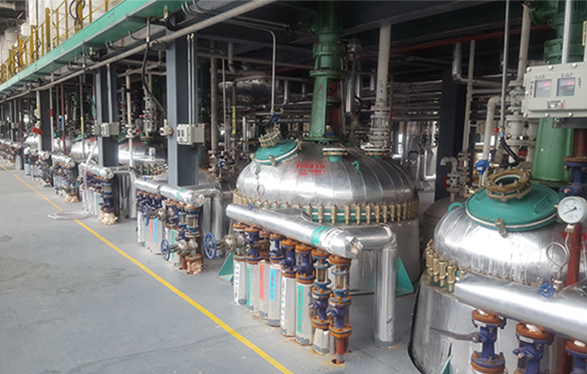
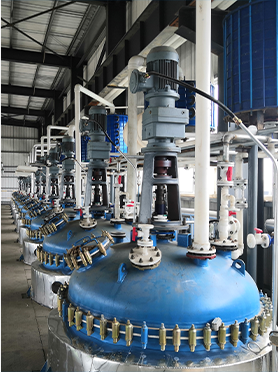
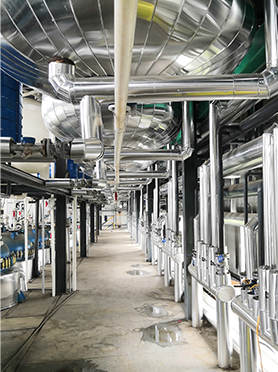
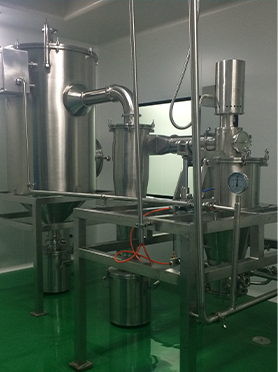
Manufacturing Facilities
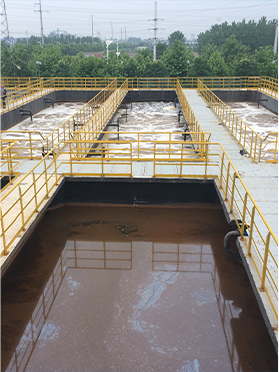
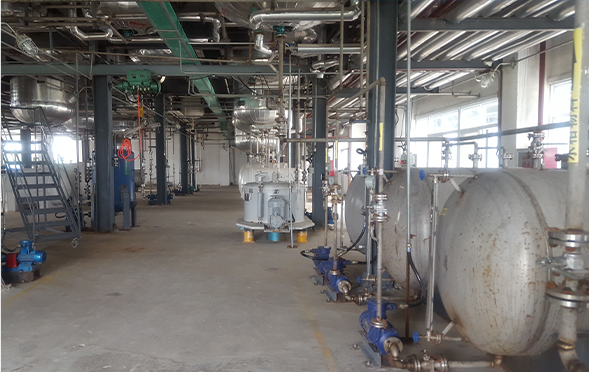
Professional Export Experience
to Global Customers
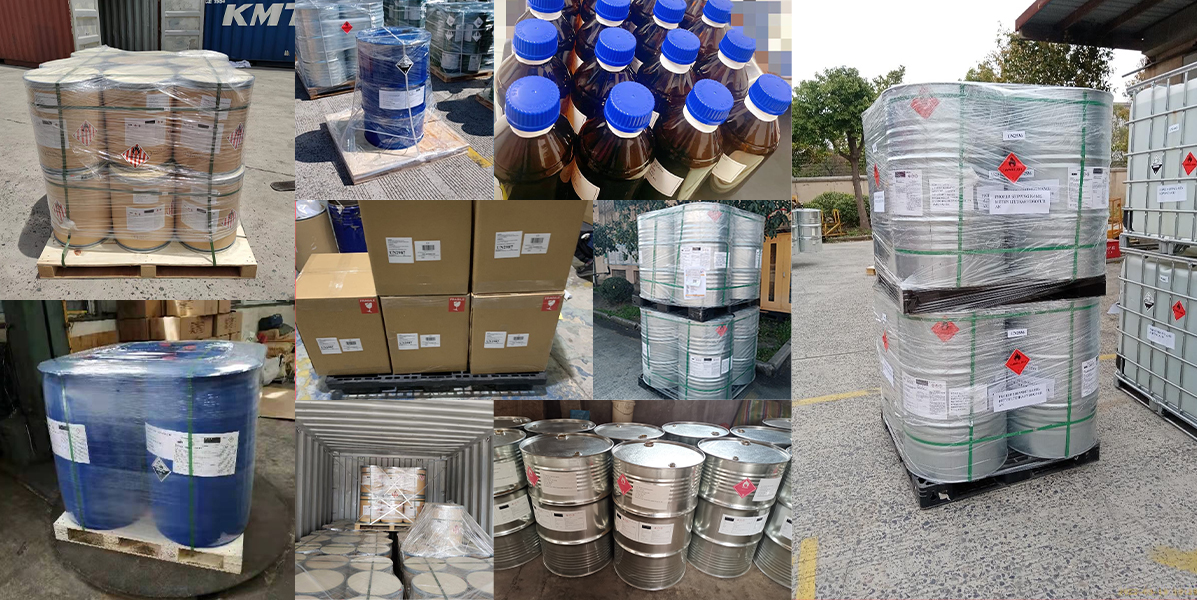
1. 20 years of R&D, manufacturing and sales experience, serving customers in 60 countries and regions around the world;
2. Own R&D laboratory, pilot platform and large-scale production workshop, which can meet the audit requirements of global customers;
3. We can satisfy customers' perfect transition from small scale lab requirements (gram level) to commercialization requirements (hundred tons level).
A: We don't have Minimum Order Quantity, exact quantity should be provided before quotation for us to calculate the exact cost.
A: We don't provide free samples due to lots of request and expensive international courier's cost, we can deduct the sample charge after commercial order placed.
A: Our payment terms: Small or sample order: T/T IN ADVANCE. Commercial order: First order should be by T/T IN ADVANCE or L/C at sight, and following orders T/T 30~90days is acceptable subject to approval of credit application.