
Custom Manufacturing, Project Outsourcing, your Trusted Partner from China
For chemical engineers, synthetic chemists, and product development teams, a deep understanding of intermediate reactivity is key to successful product development. 1,4-Dinitro-2,5-dibromobenzene (CAS 18908-08-2) offers a fascinating case study in regioselectivity and the interplay of functional groups. As a leading chemical intermediate supplier, we aim to provide clarity on the versatile reactions this compound undergoes, enabling informed procurement decisions and facilitating groundbreaking research.
The chemical behavior of 1,4-dinitro-2,5-dibromobenzene is dominated by its substituents: two strongly electron-withdrawing nitro (NO₂) groups and two readily displaceable bromine (Br) atoms. This molecular architecture dictates its primary reaction pathways.
Nucleophilic Aromatic Substitution (SNAr): The electron-deficient aromatic ring, significantly deactivated by the nitro groups, is highly susceptible to attack by nucleophiles. The bromine atoms, positioned ortho and para to these electron-withdrawing groups, act as excellent leaving groups in SNAr reactions. This allows for the facile introduction of various functionalities. For example, reaction with amines can yield diamino derivatives, while treatment with thiolates can form thioethers. These transformations are fundamental for building complex molecular structures and are critical for producing custom chemicals for specific applications. When you buy 1,4-dinitro-2,5-dibromobenzene, you are acquiring a platform for diverse nucleophilic substitutions.
Reduction of Nitro Groups: The nitro groups themselves are readily reducible to amino (NH₂) groups. Common reducing agents, such as hydrogen gas with a palladium catalyst (H₂/Pd-C), iron in acidic media (Fe/HCl), or stannous chloride (SnCl₂), can efficiently convert the nitro functionalities. The resulting 2,5-dibromo-1,4-phenylenediamine is a vital intermediate in its own right, commonly used in the synthesis of heterocyclic compounds and advanced polymers. This reduction pathway significantly broadens the synthetic scope of the parent compound.
Palladium-Catalyzed Cross-Coupling Reactions: The bromine atoms on the ring are also prime candidates for participation in a variety of transition-metal-catalyzed cross-coupling reactions, most notably the Suzuki-Miyaura, Sonogashira, and Heck reactions. These powerful synthetic tools enable the formation of new carbon-carbon bonds with exquisite control. By coupling 1,4-dinitro-2,5-dibromobenzene with organoboron compounds (Suzuki), alkynes (Sonogashira), or alkenes (Heck), chemists can construct extended aromatic systems, conjugated polymers, and complex molecular frameworks. The ability to perform these couplings sequentially allows for the creation of highly tailored molecules.
When sourcing this compound, it is essential to work with a reputable 1,4-dinitro-2,5-dibromobenzene manufacturer. A reliable supplier ensures the purity and consistent reactivity needed for these sophisticated chemical transformations. Companies offering competitive pricing and bulk quantities are particularly valuable for scaling up production. By understanding the detailed reactivity of 1,4-dinitro-2,5-dibromobenzene, researchers and manufacturers can leverage its potential to drive innovation in their respective fields.
Manufacturing Facilities
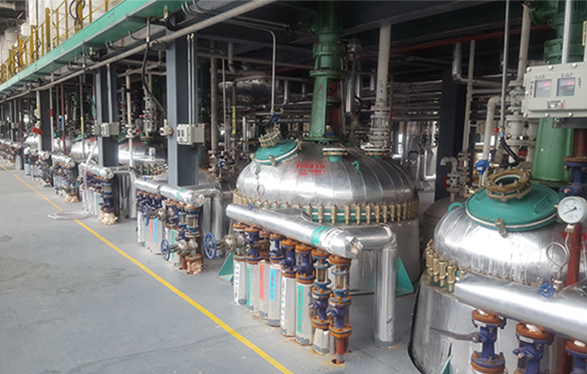
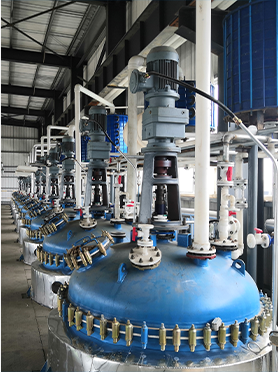
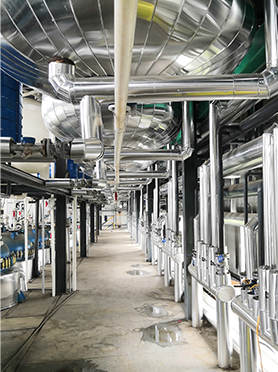
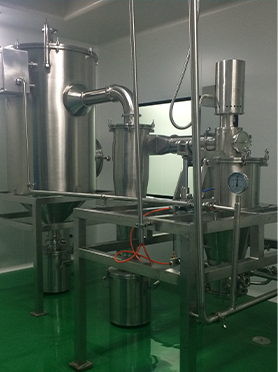
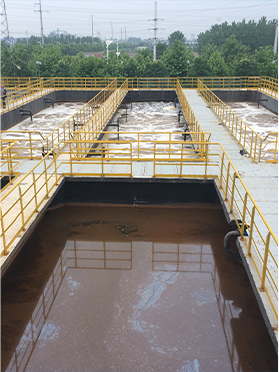
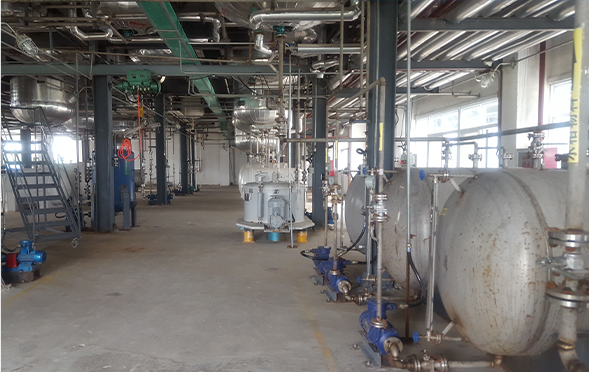
Professional Export Experience
to Global Customers
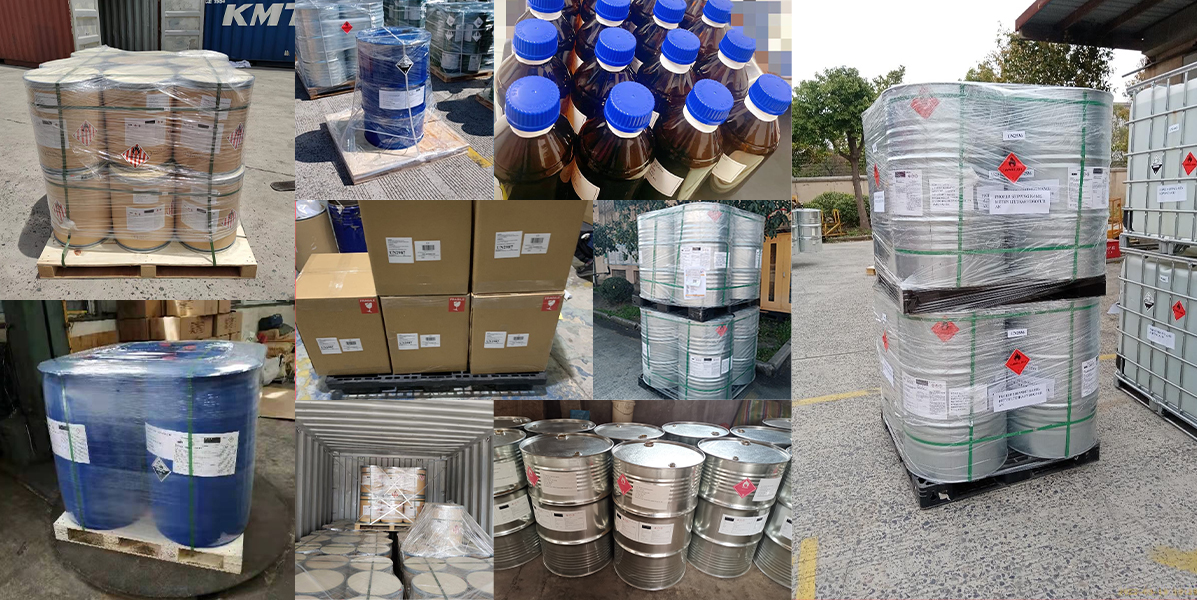
1. 20 years of R&D, manufacturing and sales experience, serving customers in 60 countries and regions around the world;
2. Own R&D laboratory, pilot platform and large-scale production workshop, which can meet the audit requirements of global customers;
3. We can satisfy customers' perfect transition from small scale lab requirements (gram level) to commercialization requirements (hundred tons level).
A: We don't have Minimum Order Quantity, exact quantity should be provided before quotation for us to calculate the exact cost.
A: We don't provide free samples due to lots of request and expensive international courier's cost, we can deduct the sample charge after commercial order placed.
A: Our payment terms: Small or sample order: T/T IN ADVANCE. Commercial order: First order should be by T/T IN ADVANCE or L/C at sight, and following orders T/T 30~90days is acceptable subject to approval of credit application.