
Custom Manufacturing, Project Outsourcing, your Trusted Partner from China
Phenibut, a compound recognized for its anxiolytic and nootropic properties, also carries significant risks, primarily related to dependence and withdrawal. As a substance that impacts the central nervous system, understanding these potential pitfalls is crucial for responsible research and use. NINGBO INNO PHARMCHEM CO.,LTD. emphasizes the importance of this awareness.
The phenibut addiction potential arises from its interaction with GABA receptors. Prolonged or high-dose usage can lead to the development of tolerance, where the body requires larger amounts to achieve the same effects. This can then escalate to physical dependence, meaning the body becomes accustomed to the presence of the substance and experiences adverse reactions upon cessation. This is a critical aspect of the phenibut mechanism of action that researchers must consider.
Consequently, abrupt discontinuation of Phenibut can trigger a range of uncomfortable and potentially severe phenibut withdrawal symptoms. These can include heightened anxiety, insomnia, irritability, tremors, and in some cases, more serious reactions such as psychosis. The intensity and duration of these symptoms often correlate with the duration and dosage of prior use. It is therefore essential for anyone conducting research to be aware of these potential outcomes and to plan accordingly.
Understanding how long does phenibut stay in your system, including its half-life, can aid in managing research protocols and minimizing withdrawal risks. For instance, gradual tapering of dosage under controlled conditions is often recommended to mitigate withdrawal severity. This careful approach is also relevant when considering the phenibut legal status, as regulatory frameworks often reflect safety concerns.
NINGBO INNO PHARMCHEM CO.,LTD. provides high-quality Phenibut for research purposes and advocates for responsible scientific practices. While Phenibut may offer potential benefits for anxiety and cognitive function, a thorough understanding of its risks, particularly phenibut for anxiety and its dependence potential, is paramount. Prioritizing safety and informed decision-making ensures that research is conducted ethically and effectively.
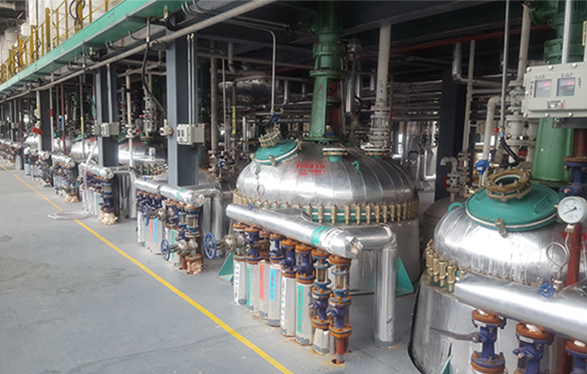
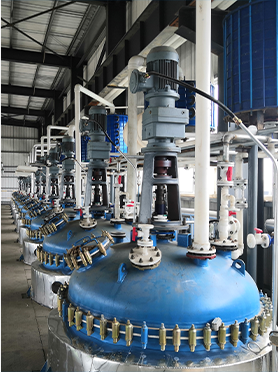
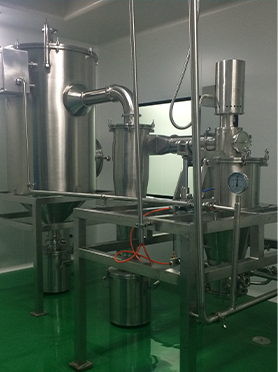
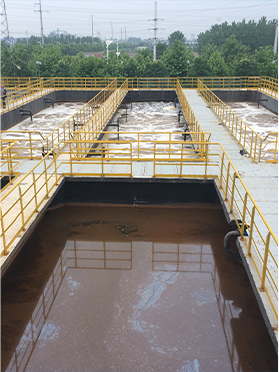
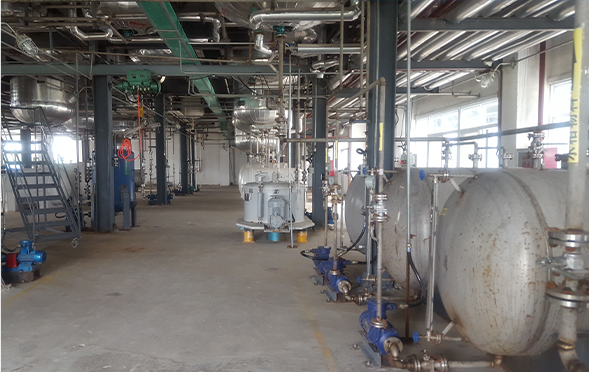
Manufacturing Facilities

Professional Export Experience
to Global Customers
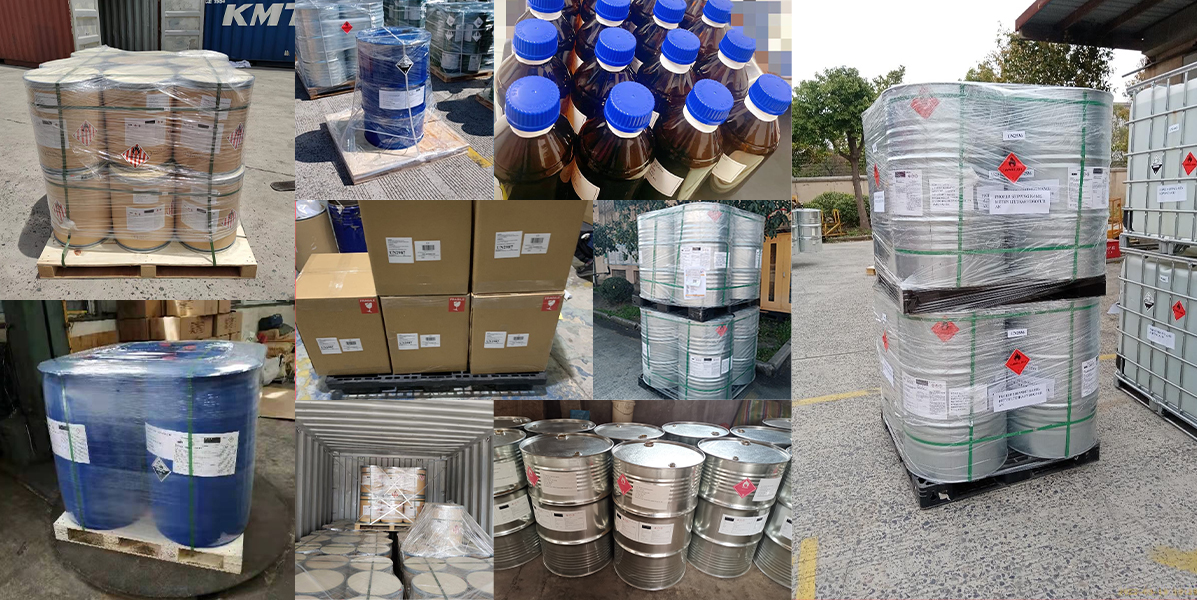
1. 20 years of R&D, manufacturing and sales experience, serving customers in 60 countries and regions around the world;
2. Own R&D laboratory, pilot platform and large-scale production workshop, which can meet the audit requirements of global customers;
3. We can satisfy customers' perfect transition from small scale lab requirements (gram level) to commercialization requirements (hundred tons level).
A: We don't have Minimum Order Quantity, exact quantity should be provided before quotation for us to calculate the exact cost.
A: We don't provide free samples due to lots of request and expensive international courier's cost, we can deduct the sample charge after commercial order placed.
A: Our payment terms: Small or sample order: T/T IN ADVANCE. Commercial order: First order should be by T/T IN ADVANCE or L/C at sight, and following orders T/T 30~90days is acceptable subject to approval of credit application.