
Custom Manufacturing, Project Outsourcing, your Trusted Partner from China
Organic chemistry is the bedrock of much of modern scientific advancement, from life-saving pharmaceuticals to revolutionary materials. Central to this field is the use of versatile chemical intermediates, compounds that serve as foundational building blocks for more complex molecular structures. Among these, 2,5-Dihydroxyterephthalaldehyde (CAS 1951-36-6) holds a prominent position due to its unique combination of reactive functional groups and a rigid aromatic core. This article explores the fundamental role of this compound in organic chemistry research, highlighting its reactivity and its utility for scientists worldwide.
Understanding the Chemical Reactivity of 2,5-Dihydroxyterephthalaldehyde
2,5-Dihydroxyterephthalaldehyde, with its chemical formula C8H6O4, presents chemists with a wealth of reactivity. The two aldehyde (-CHO) groups are electrophilic centers, readily undergoing nucleophilic addition reactions. Common transformations include:
Complementing the aldehyde functionality are the two hydroxyl (-OH) groups. These phenolic hydroxyls exhibit mild acidity and can participate in:
When researchers seek to buy 2,5-Dihydroxyterephthalaldehyde, understanding these inherent reactivities is key to designing effective synthetic strategies.
Applications in Research and Development
The versatility of 2,5-Dihydroxyterephthalaldehyde makes it a valuable tool in various research areas:
For academic institutions and R&D departments, sourcing high-quality 2,5-Dihydroxyterephthalaldehyde from reliable manufacturers is crucial. Obtaining samples and competitive pricing for research quantities facilitates exploratory studies and the development of new chemical entities.
In conclusion, 2,5-Dihydroxyterephthalaldehyde is a cornerstone intermediate in organic chemistry research. Its predictable reactivity and broad applicability empower chemists to explore new frontiers in synthesis, materials science, and beyond. Engaging with trusted suppliers ensures access to this essential building block, driving forward scientific discovery.
Manufacturing Facilities
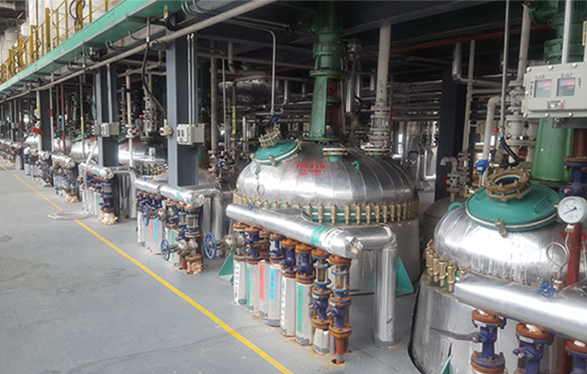
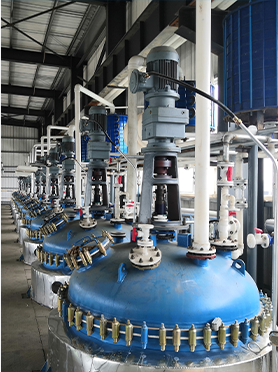
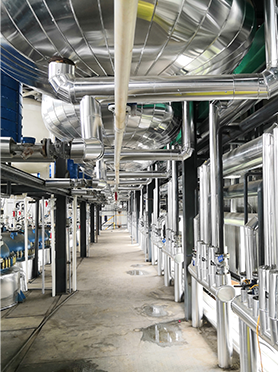
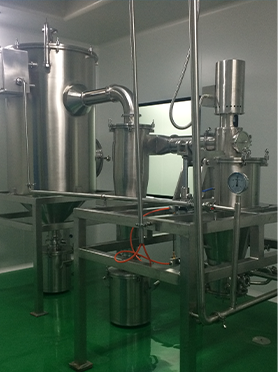
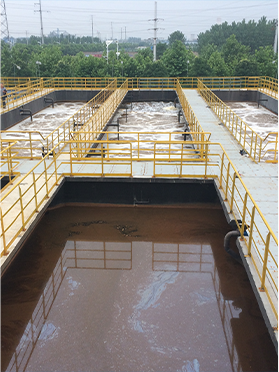
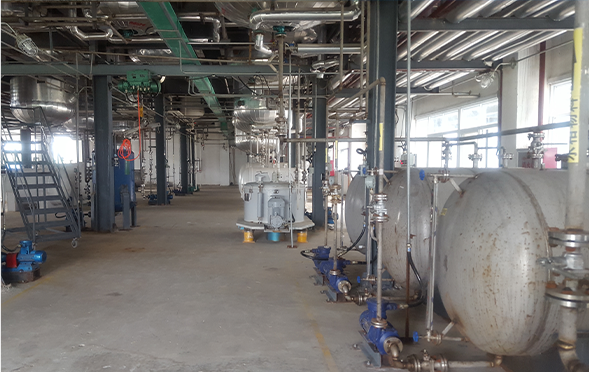
Professional Export Experience
to Global Customers
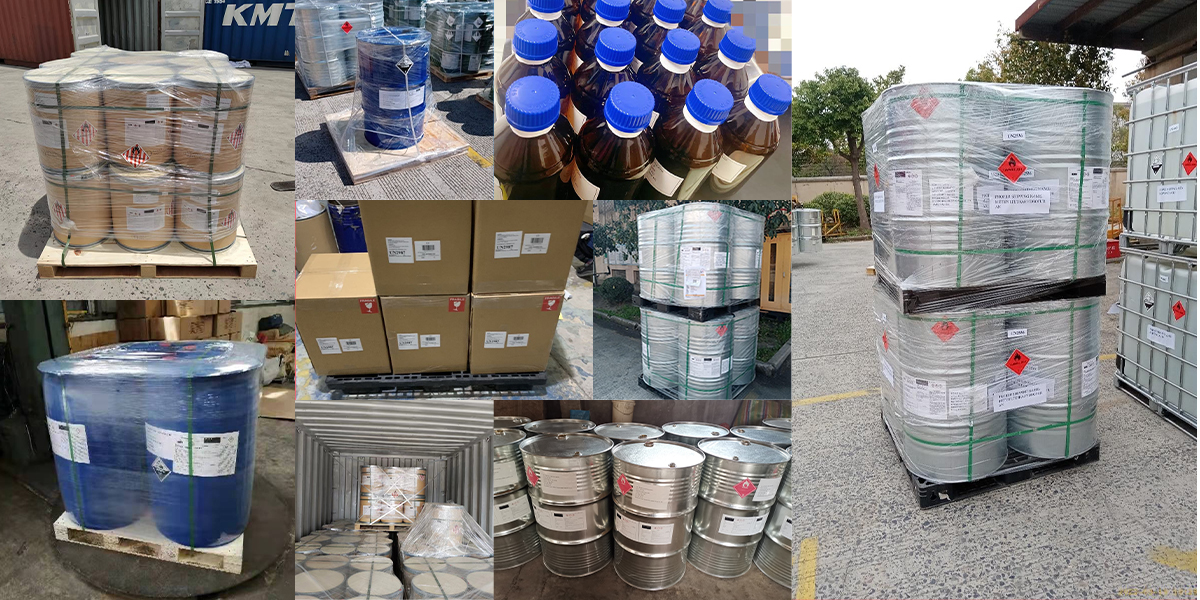
1. 20 years of R&D, manufacturing and sales experience, serving customers in 60 countries and regions around the world;
2. Own R&D laboratory, pilot platform and large-scale production workshop, which can meet the audit requirements of global customers;
3. We can satisfy customers' perfect transition from small scale lab requirements (gram level) to commercialization requirements (hundred tons level).
A: We don't have Minimum Order Quantity, exact quantity should be provided before quotation for us to calculate the exact cost.
A: We don't provide free samples due to lots of request and expensive international courier's cost, we can deduct the sample charge after commercial order placed.
A: Our payment terms: Small or sample order: T/T IN ADVANCE. Commercial order: First order should be by T/T IN ADVANCE or L/C at sight, and following orders T/T 30~90days is acceptable subject to approval of credit application.