
Custom Manufacturing, Project Outsourcing, your Trusted Partner from China
The pharmaceutical industry constantly seeks innovative and efficient methods for synthesizing active pharmaceutical ingredients (APIs). Within this complex landscape, specific chemical intermediates play pivotal roles, enabling the creation of intricate molecular structures. One such vital compound is 4-(Trimethylsilyl)-3-butyn-2-one, identified by CAS number 5930-98-3. Its unique chemical properties make it an invaluable tool for synthetic organic chemists engaged in drug discovery and development.
Understanding the Chemical Utility
4-(Trimethylsilyl)-3-butyn-2-one is a silylated alkyne ketone, characterized by the presence of a trimethylsilyl group attached to an alkyne moiety adjacent to a carbonyl group. This specific arrangement of functional groups imparts exceptional reactivity and versatility. The trimethylsilyl group can serve as a protecting group, a directing group, or be easily removed to reveal a terminal alkyne, allowing for subsequent functionalization. The alkyne itself is a reactive functional group amenable to a wide array of transformations, including click chemistry, cyclization reactions, and transition-metal-catalyzed cross-couplings.
In pharmaceutical synthesis, this intermediate is frequently employed as a building block for constructing complex heterocyclic systems or carbon frameworks found in many drug candidates. Its predictable reactivity allows synthetic chemists to precisely control reaction pathways, leading to higher yields and purities of desired products. When researchers look to purchase this compound, they often seek high purity levels (typically 97% min.) to ensure the success of sensitive multi-step syntheses, especially when developing APIs.
Applications in Drug Development
The application of 4-(Trimethylsilyl)-3-butyn-2-one spans various therapeutic areas. It can be used in the synthesis of antiviral agents, anticancer drugs, and compounds targeting neurological disorders. For instance, its alkyne functionality can be utilized in Sonogashira couplings to introduce aryl or vinyl groups, a common strategy in constructing drug molecules. The ketone moiety also offers opportunities for derivatization, such as reduction to an alcohol or condensation reactions.
The demand for high-quality pharmaceutical intermediates like 4-(Trimethylsilyl)-3-butyn-2-one necessitates reliable suppliers. NINGBO INNO PHARMCHEM CO.,LTD., as a reputable manufacturer and supplier, provides this crucial intermediate, ensuring that pharmaceutical researchers and manufacturers have access to materials that meet rigorous quality standards. We understand the critical nature of these compounds in the drug development pipeline and are dedicated to offering consistent product quality and timely delivery to support your research and production needs. If you require this or other advanced intermediates, we invite you to explore our offerings and request a quote.
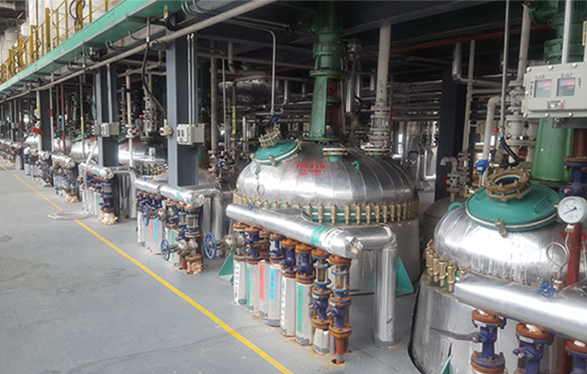
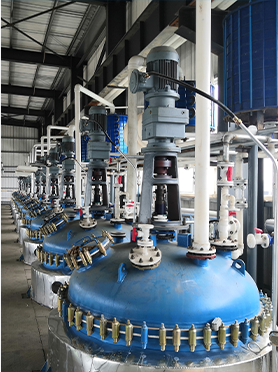
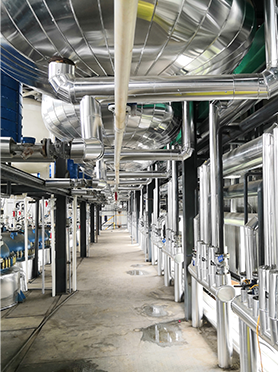
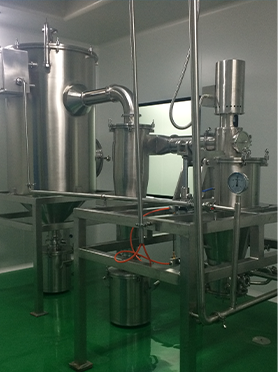
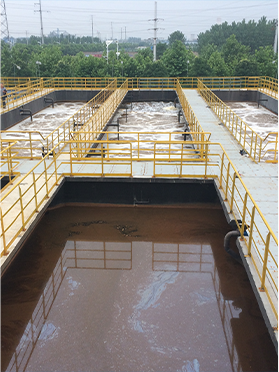
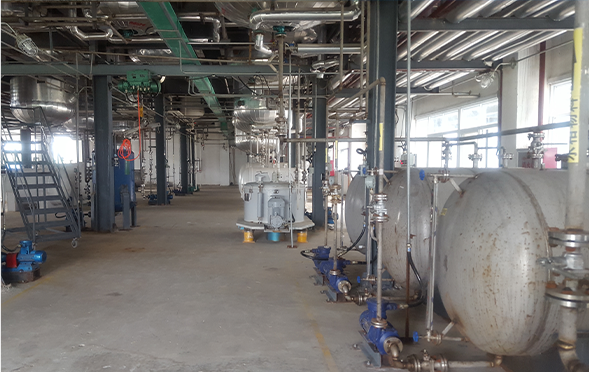
Manufacturing Facilities
Professional Export Experience
to Global Customers
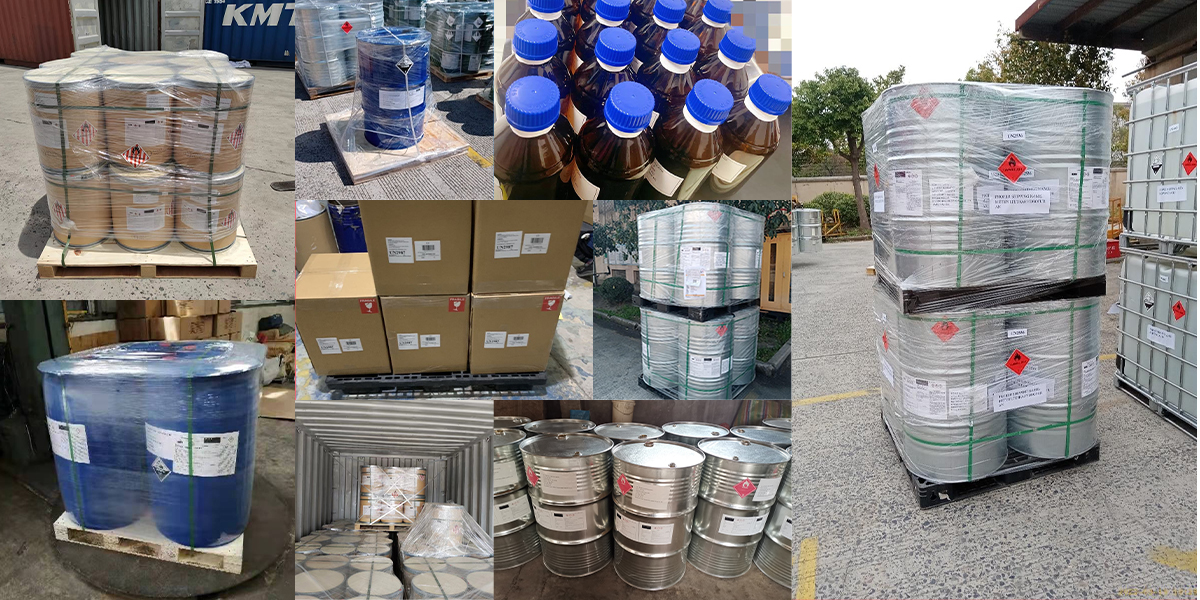
1. 20 years of R&D, manufacturing and sales experience, serving customers in 60 countries and regions around the world;
2. Own R&D laboratory, pilot platform and large-scale production workshop, which can meet the audit requirements of global customers;
3. We can satisfy customers' perfect transition from small scale lab requirements (gram level) to commercialization requirements (hundred tons level).
A: We don't have Minimum Order Quantity, exact quantity should be provided before quotation for us to calculate the exact cost.
A: We don't provide free samples due to lots of request and expensive international courier's cost, we can deduct the sample charge after commercial order placed.
A: Our payment terms: Small or sample order: T/T IN ADVANCE. Commercial order: First order should be by T/T IN ADVANCE or L/C at sight, and following orders T/T 30~90days is acceptable subject to approval of credit application.