
Custom Manufacturing, Project Outsourcing, your Trusted Partner from China
The field of medical imaging has been revolutionized by advancements in contrast agents, which enhance the visualization of anatomical structures and pathological conditions. At the heart of many of these cutting-edge agents lies a specific class of chemical intermediates, among which 5-Amino-2,4,6-triiodoisophthalic acid (ATIPA), identified by CAS 35453-19-1, plays a pivotal role. From a chemical perspective, ATIPA's unique structure, characterized by multiple iodine atoms attached to an aromatic ring with carboxylic acid and amine functionalities, makes it an ideal precursor for iodinated contrast media.
Chemical Structure and its Significance
ATIPA's chemical formula, C8H4I3NO4, reveals a benzene ring substituted with three iodine atoms, an amino group (-NH2), and two carboxylic acid groups (-COOH). The high atomic weight and electron density of iodine are precisely what provide the radiopacity necessary for X-ray and CT imaging. The presence of three iodine atoms per molecule of ATIPA contributes significantly to the overall iodine content of the final contrast agent, thereby maximizing its radiopaque properties. The amino and carboxylic acid groups provide reactive sites for further chemical modification, allowing for the attachment of solubilizing groups and other functionalities that define the final agent's pharmacokinetics and safety profile.
From Intermediate to Advanced Contrast Agents
The transformation of ATIPA into widely used contrast agents like Iohexol, Ioversol, and Iopamidol involves complex multi-step synthesis. These processes typically involve derivatizing the carboxylic acid groups and the amino group to introduce hydrophilic side chains, often polyhydroxylated alkyl chains. These side chains are crucial for increasing the water solubility of the final agent, reducing its osmolality, and improving its tolerability in the human body. The meticulous chemical engineering involved ensures that the final products are safe, effective, and offer excellent image enhancement. The purity of the starting ATIPA, usually required to be ≥98.5%, is paramount to ensure these subsequent chemical transformations proceed efficiently and yield products that meet stringent pharmaceutical standards.
Impact on Diagnostic Capabilities
The contribution of ATIPA, as a precursor to modern contrast agents, to medical imaging is profound. These agents enable:
For researchers and manufacturers, sourcing high-quality ATIPA from reliable suppliers is the first step in this value chain. Understanding the chemical foundation of these critical medical materials underscores the importance of precise synthesis and rigorous quality control from the initial intermediate stage.
In essence, 5-Amino-2,4,6-triiodoisophthalic acid is more than just a chemical; it is a cornerstone molecule that underpins significant advancements in medical diagnostic capabilities. Its chemical structure, purity, and role in synthesizing contrast media highlight its indispensable position in modern healthcare.
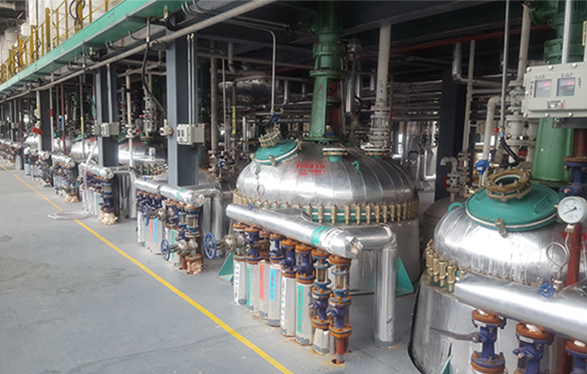
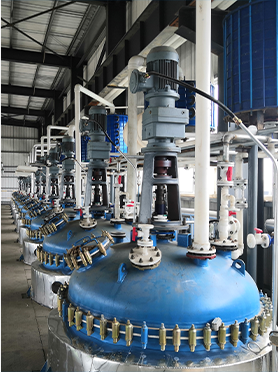
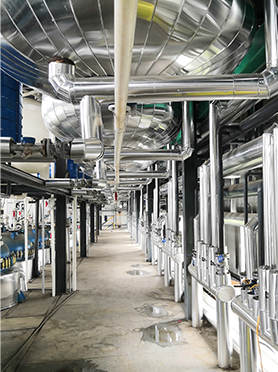
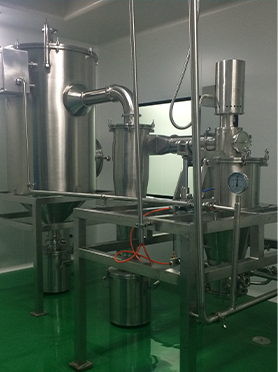
Manufacturing Facilities
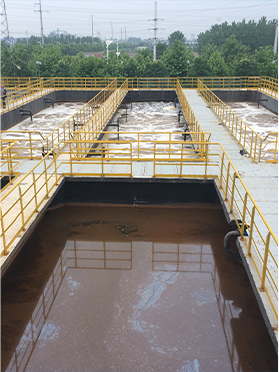
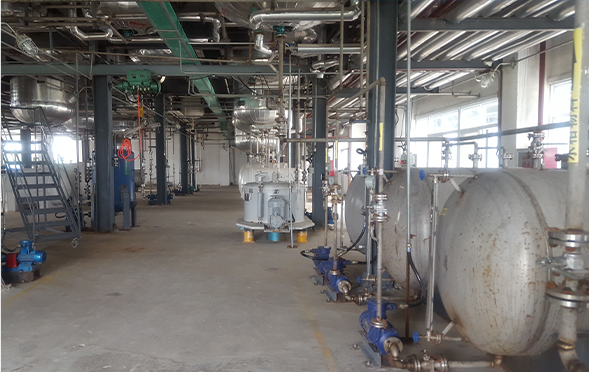
Professional Export Experience
to Global Customers
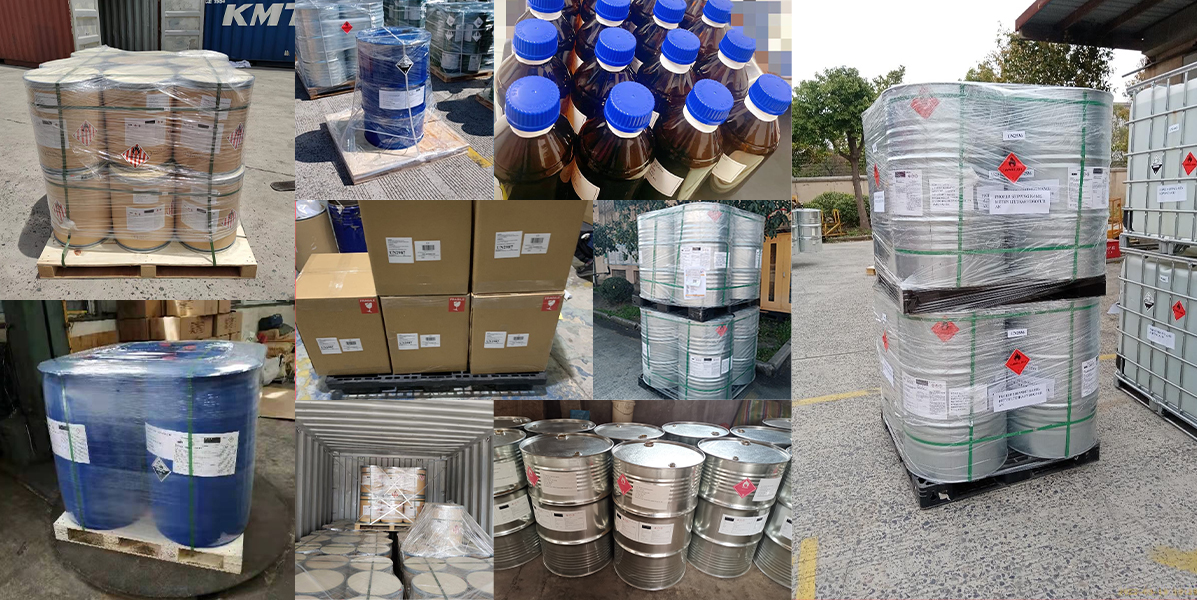
1. 20 years of R&D, manufacturing and sales experience, serving customers in 60 countries and regions around the world;
2. Own R&D laboratory, pilot platform and large-scale production workshop, which can meet the audit requirements of global customers;
3. We can satisfy customers' perfect transition from small scale lab requirements (gram level) to commercialization requirements (hundred tons level).
A: We don't have Minimum Order Quantity, exact quantity should be provided before quotation for us to calculate the exact cost.
A: We don't provide free samples due to lots of request and expensive international courier's cost, we can deduct the sample charge after commercial order placed.
A: Our payment terms: Small or sample order: T/T IN ADVANCE. Commercial order: First order should be by T/T IN ADVANCE or L/C at sight, and following orders T/T 30~90days is acceptable subject to approval of credit application.