
Custom Manufacturing, Project Outsourcing, your Trusted Partner from China
Polycarbonate (PC) is a high-performance thermoplastic polymer renowned for its strength, transparency, and impact resistance, finding widespread use in automotive, electronics, and construction industries. The synthesis of polycarbonate is a complex process, and Dimethyl Carbonate (DMC) plays a pivotal role in the modern, environmentally friendly, non-phosgene route. This article highlights DMC's importance in this synthesis and the considerations for polymer manufacturers when sourcing this key intermediate.
From Phosgene to Green Alternatives in Polycarbonate Production
Historically, the dominant method for producing polycarbonate involved the use of phosgene, a highly toxic gas. Concerns over phosgene's hazardous nature and environmental impact have driven the development of alternative, safer processes. The melt transesterification process, utilizing DMC, has emerged as the leading non-phosgene route and is widely adopted globally.
Dimethyl Carbonate's Function in Polycarbonate Synthesis
In the non-phosgene method, Dimethyl Carbonate (CAS 616-38-6) is first reacted with Bisphenol A (BPA) to form Bisphenol A diphenyl carbonate. Subsequently, this intermediate is transesterified with BPA again to yield polycarbonate. DMC serves as a crucial methyl carbonating agent in this chain of reactions. Its properties make it an ideal reactant:
Sourcing DMC for Polymer Manufacturing
For polymer manufacturers, securing a reliable supply of high-purity DMC is paramount. When you are ready to purchase Dimethyl Carbonate, consider the following:
Dimethyl Carbonate is not just a chemical compound; it is an enabler of cleaner, safer, and more sustainable industrial processes. Its indispensable role in modern polycarbonate production underscores its importance in the chemical industry. For those looking to buy Dimethyl Carbonate, selecting the right partner is key to unlocking the full potential of this versatile material.
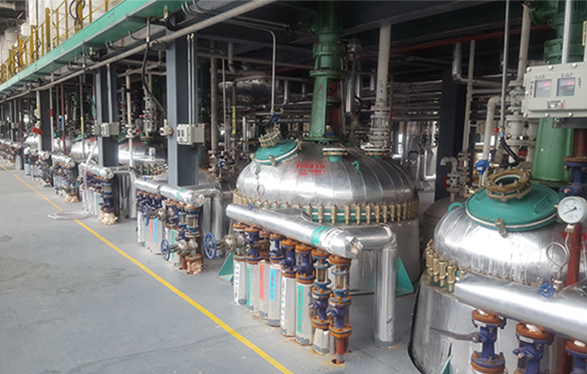
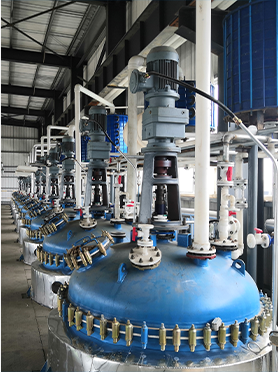
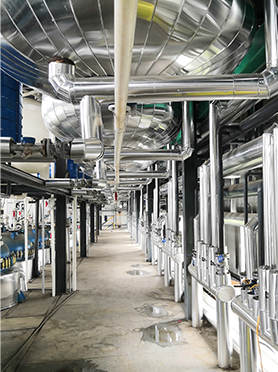
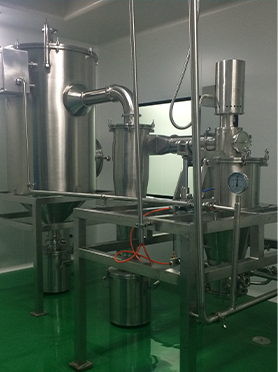
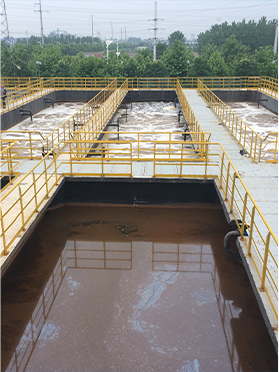
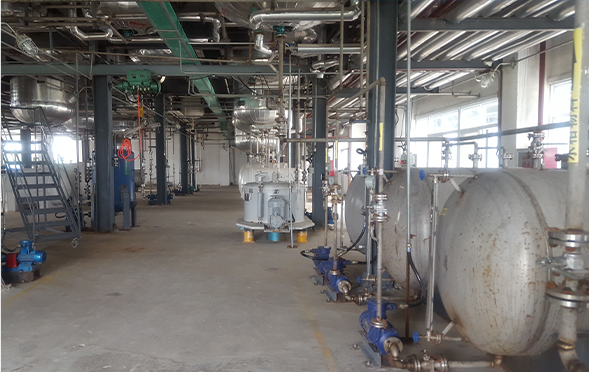
Manufacturing Facilities
Professional Export Experience
to Global Customers
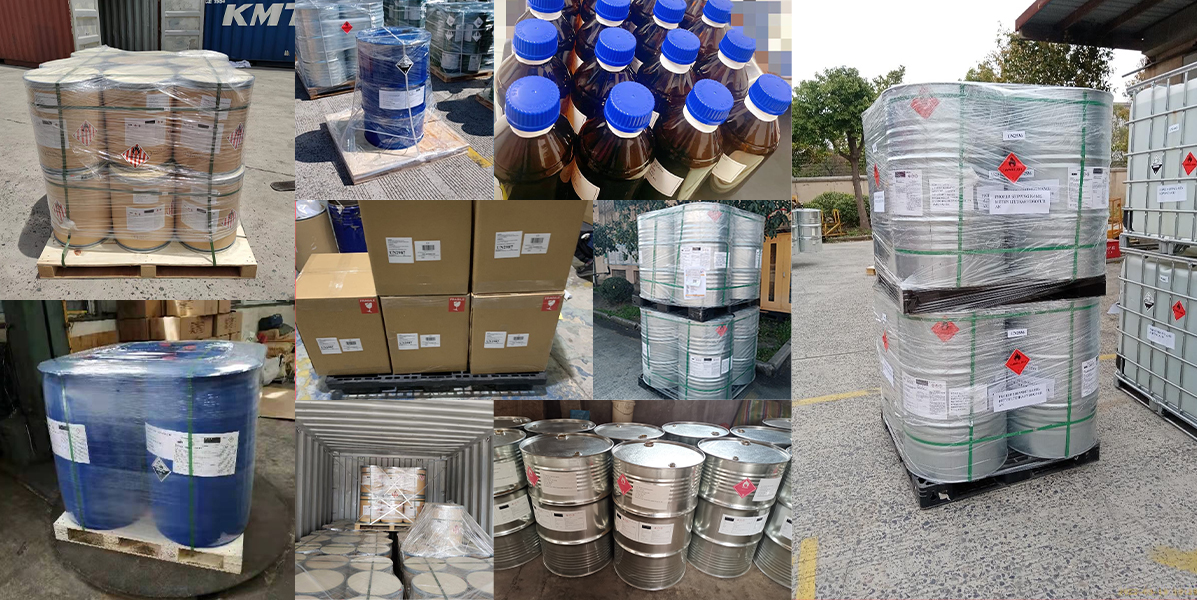
1. 20 years of R&D, manufacturing and sales experience, serving customers in 60 countries and regions around the world;
2. Own R&D laboratory, pilot platform and large-scale production workshop, which can meet the audit requirements of global customers;
3. We can satisfy customers' perfect transition from small scale lab requirements (gram level) to commercialization requirements (hundred tons level).
A: We don't have Minimum Order Quantity, exact quantity should be provided before quotation for us to calculate the exact cost.
A: We don't provide free samples due to lots of request and expensive international courier's cost, we can deduct the sample charge after commercial order placed.
A: Our payment terms: Small or sample order: T/T IN ADVANCE. Commercial order: First order should be by T/T IN ADVANCE or L/C at sight, and following orders T/T 30~90days is acceptable subject to approval of credit application.