
Custom Manufacturing, Project Outsourcing, your Trusted Partner from China
In the vibrant and dynamic textile industry, achieving consistent and brilliant color on fabrics is a hallmark of quality. The dyeing process, while essential, can often lead to uneven coloration, resulting in defects like streaks, blotches, or barré effects. This is where textile leveling agents become indispensable auxiliaries. At NINGBO INNO PHARMCHEM CO.,LTD., we specialize in providing high-quality chemical solutions that enhance textile manufacturing processes. This article explores the critical function of leveling agents in textile dyeing and why sourcing them from a trusted chemical supplier in China is vital.
Understanding Textile Levelling Agents
Levelling agents are specialized textile auxiliaries designed to promote the uniform adsorption and diffusion of dyes onto fibers. They work by temporarily slowing down the dye uptake rate, allowing dyes to penetrate and distribute evenly throughout the fabric before permanent fixation occurs. This mechanism is crucial for achieving a consistent shade across the entire material.
How Levelling Agents Improve Color Fastness and Uniformity
The primary goal of using leveling agents in textile dyeing is to ensure a uniform and defect-free color application. Their key functions include:
Types of Levelling Agents for Textiles
The choice of leveling agent depends on the fiber type, dye class, and desired outcome:
The Importance of Sourcing from a Reliable Supplier
For textile manufacturers, consistent access to high-quality leveling agents is paramount for maintaining production efficiency and product quality. NINGBO INNO PHARMCHEM CO.,LTD. stands as a trusted partner, offering:
In summary, a well-chosen leveling agent is a critical component for achieving high-quality, uniformly dyed textiles. By partnering with NINGBO INNO PHARMCHEM CO.,LTD., you gain access to expertise and high-performance chemicals that will enhance your dyeing operations and ensure customer satisfaction. Contact us today to learn more about our range of textile auxiliaries and how we can support your production needs.
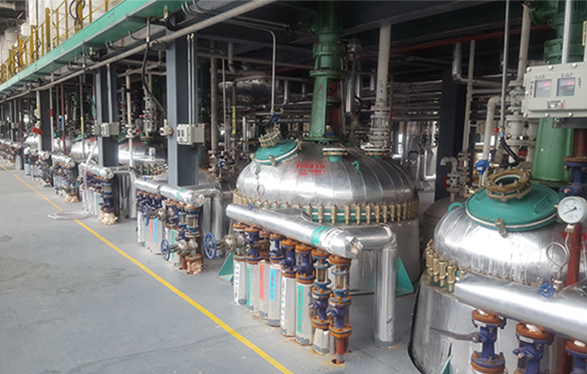
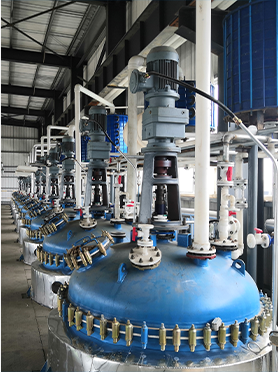
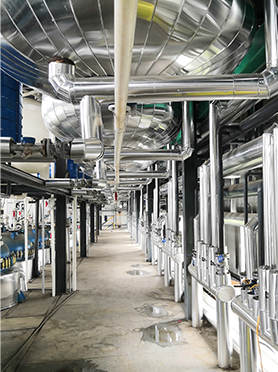
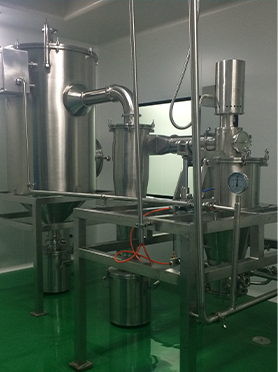
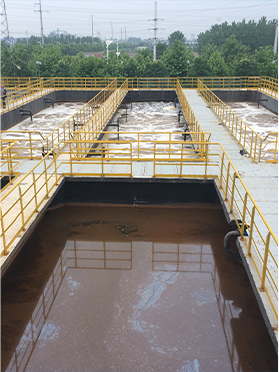
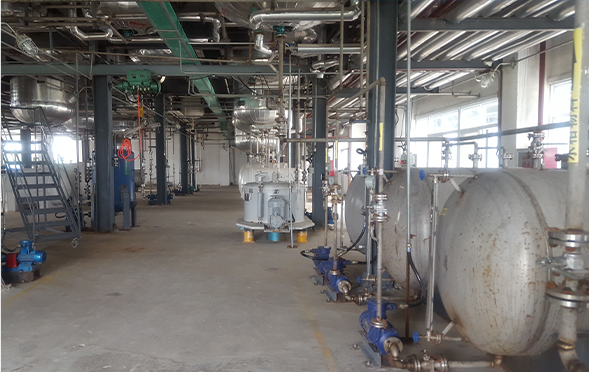
Manufacturing Facilities
Professional Export Experience
to Global Customers
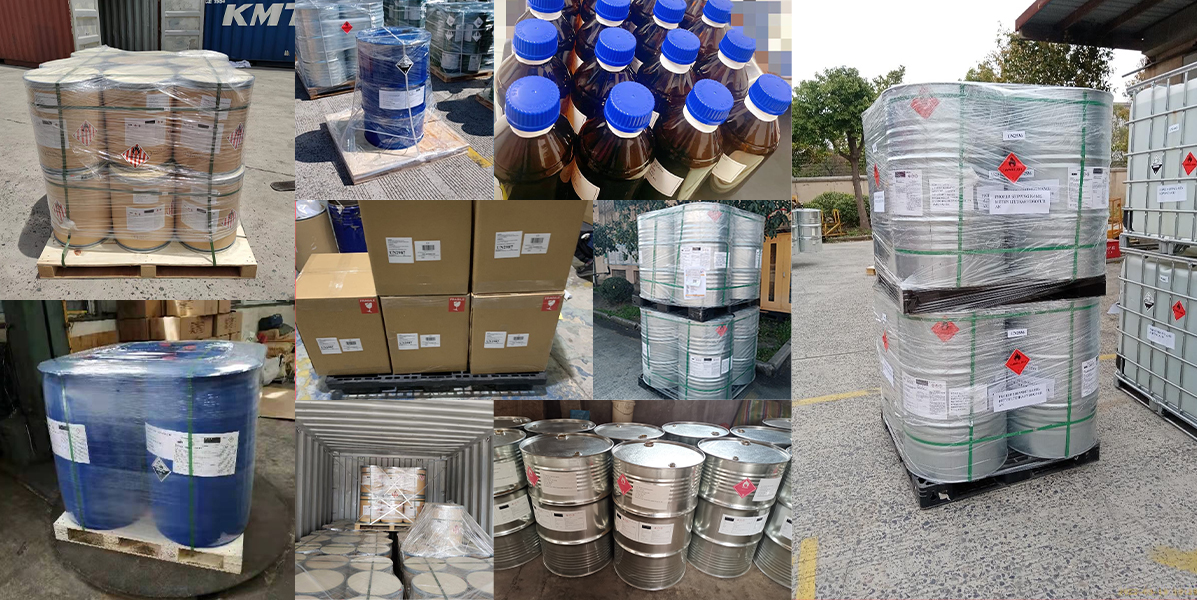
1. 20 years of R&D, manufacturing and sales experience, serving customers in 60 countries and regions around the world;
2. Own R&D laboratory, pilot platform and large-scale production workshop, which can meet the audit requirements of global customers;
3. We can satisfy customers' perfect transition from small scale lab requirements (gram level) to commercialization requirements (hundred tons level).
A: We don't have Minimum Order Quantity, exact quantity should be provided before quotation for us to calculate the exact cost.
A: We don't provide free samples due to lots of request and expensive international courier's cost, we can deduct the sample charge after commercial order placed.
A: Our payment terms: Small or sample order: T/T IN ADVANCE. Commercial order: First order should be by T/T IN ADVANCE or L/C at sight, and following orders T/T 30~90days is acceptable subject to approval of credit application.