
Custom Manufacturing, Project Outsourcing, your Trusted Partner from China
The agrochemical industry is constantly seeking innovative solutions to improve crop yields and protection against pests and diseases. A significant area of research and development involves the synthesis of novel compounds with enhanced efficacy, specificity, and environmental profiles. Among the key structural motifs that contribute to these advancements are trifluoromethylpyridine derivatives. This article focuses on the importance of compounds like 3-Chloro-5-(trifluoromethyl)picolinic Acid (CAS 80194-68-9) as crucial intermediates in the creation of modern agrochemicals.
Understanding Trifluoromethylpyridines in Agrochemicals
The introduction of a trifluoromethyl (-CF3) group into organic molecules often confers unique properties, including increased lipophilicity, metabolic stability, and altered electronic characteristics. When combined with a pyridine ring, as in trifluoromethylpyridines, these effects can translate into potent bioactivity. These structural features are highly desirable in agrochemical design, influencing factors such as:
3-Chloro-5-(trifluoromethyl)picolinic Acid: A Key Intermediate
3-Chloro-5-(trifluoromethyl)picolinic Acid, with its CAS number 80194-68-9, is a prime example of a trifluoromethylpyridine derivative used as an intermediate. This compound serves as a versatile building block for synthesizing a range of agrochemical active ingredients. Its structure provides a pre-functionalized pyridine core that chemists can further modify to create specific herbicides, insecticides, or fungicides. For agrochemical formulation scientists and R&D teams, sourcing this intermediate from reliable manufacturers is essential for their development pipeline. When looking to buy, ensuring high purity (≥98.0%) is critical for reproducible results.
Synthesis and Sourcing Considerations
The synthesis of 3-Chloro-5-(trifluoromethyl)picolinic Acid typically involves multi-step organic reactions. Manufacturers in China have developed efficient processes to produce this intermediate at scale and with high purity. When you need to buy this compound for your agrochemical research, consider partnering with suppliers who can provide:
The application of trifluoromethylpyridines in agrochemicals is a dynamic field. By utilizing key intermediates like 3-Chloro-5-(trifluoromethyl)picolinic Acid, the agrochemical industry continues to innovate, developing solutions that address global food security challenges more effectively and sustainably. If your company is involved in agrochemical research or manufacturing, exploring the potential of trifluoromethylpyridine derivatives and securing a reliable supplier for this intermediate is a strategic step towards developing next-generation crop protection products.
For procurement needs of 3-Chloro-5-(trifluoromethyl)picolinic Acid, consider reaching out to experienced chemical suppliers who specialize in fine chemical intermediates. Their expertise can ensure you receive the quality product necessary for your agrochemical development projects.
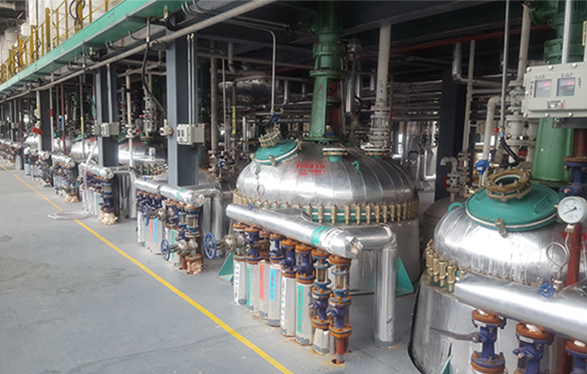
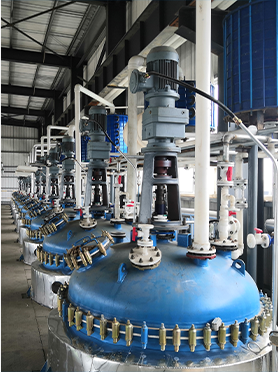
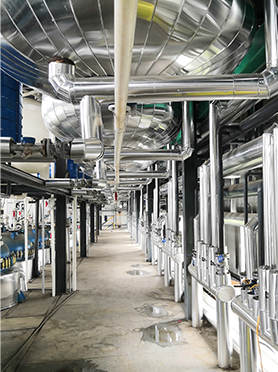
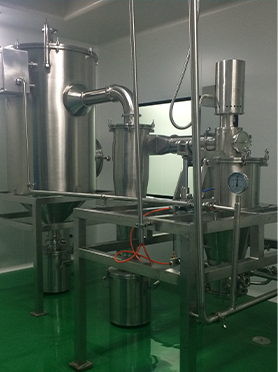
Manufacturing Facilities
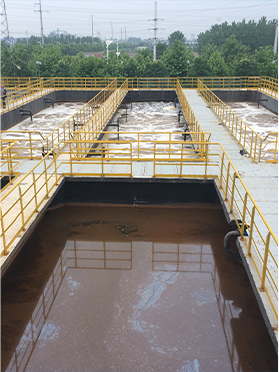
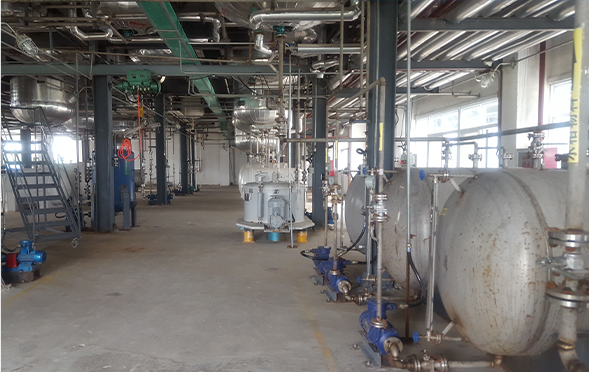
Professional Export Experience
to Global Customers
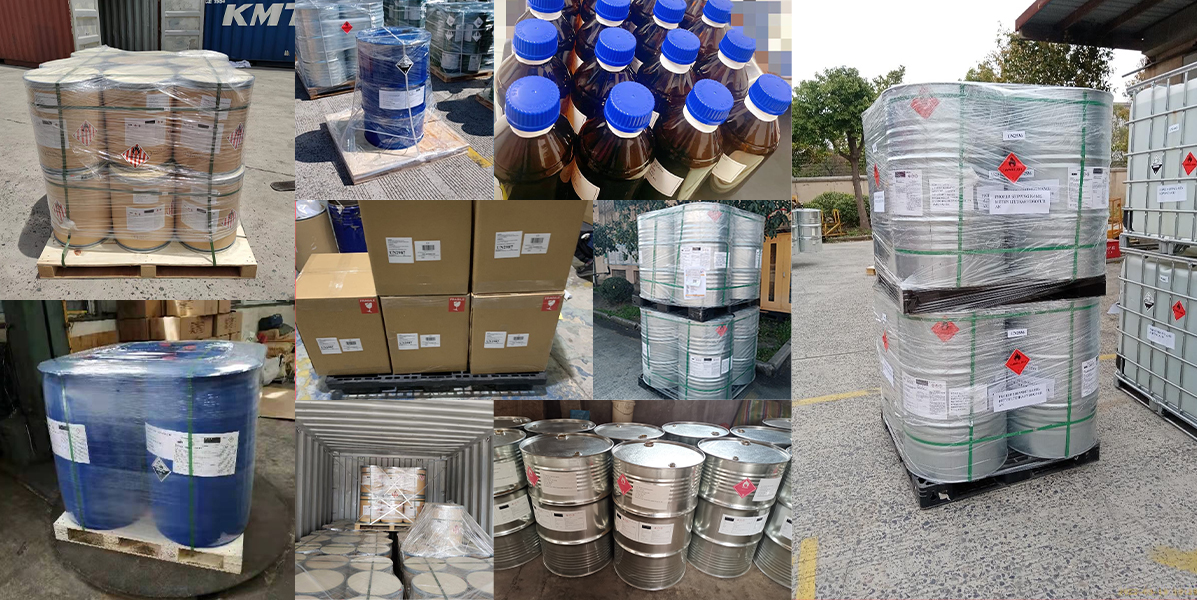
1. 20 years of R&D, manufacturing and sales experience, serving customers in 60 countries and regions around the world;
2. Own R&D laboratory, pilot platform and large-scale production workshop, which can meet the audit requirements of global customers;
3. We can satisfy customers' perfect transition from small scale lab requirements (gram level) to commercialization requirements (hundred tons level).
A: We don't have Minimum Order Quantity, exact quantity should be provided before quotation for us to calculate the exact cost.
A: We don't provide free samples due to lots of request and expensive international courier's cost, we can deduct the sample charge after commercial order placed.
A: Our payment terms: Small or sample order: T/T IN ADVANCE. Commercial order: First order should be by T/T IN ADVANCE or L/C at sight, and following orders T/T 30~90days is acceptable subject to approval of credit application.