
Custom Manufacturing, Project Outsourcing, your Trusted Partner from China
Cysteine, with its reactive thiol side chain, presents unique challenges and opportunities in peptide synthesis. The development of effective protecting groups has been instrumental in harnessing cysteine's potential for creating intricate peptide structures. Among these, N-Fmoc-S-trityl-D-cysteine (Fmoc-D-Cys(Trt)-OH) stands out, largely due to the strategic use of the trityl (Trt) protecting group on its thiol moiety. This article delves into the critical role of trityl protection in facilitating the synthesis of cysteine-containing peptides.
In solid-phase peptide synthesis (SPPS), particularly using the Fmoc strategy, precise control over reactive functional groups is paramount. Cysteine's thiol group (-SH) is highly susceptible to oxidation, leading to the formation of disulfide bonds, which can occur prematurely or in an uncontrolled manner. It can also participate in various other unwanted side reactions that compromise the integrity and purity of the target peptide. This is where the trityl group plays a vital role.
The trityl group, derived from triphenylmethane, is a bulky and acid-labile protecting group. When attached to the sulfur atom of cysteine, it sterically hinders the thiol, rendering it unreactive under the conditions typically used for Fmoc deprotection (mild basic conditions). This inertness is crucial, as it ensures that the thiol remains protected throughout the iterative process of amino acid coupling and Fmoc removal. The use of Fmoc SPPS reagents like Fmoc-D-Cys(Trt)-OH ensures that the cysteine residue is incorporated into the growing peptide chain without interfering with the synthesis process.
The acid-labile nature of the trityl group is its key advantage for deprotection. Once the peptide synthesis is complete, the peptide is cleaved from the solid support using a strong acid, most commonly trifluoroacetic acid (TFA). During this cleavage step, the trityl group is readily removed, liberating the free thiol. This deprotection is typically efficient and occurs simultaneously with the cleavage of the peptide from the resin, or can be performed in a separate step if required. The ability to easily remove the trityl group is a significant factor in selecting protected amino acids for SPPS.
The compatibility of the trityl group with other protecting groups, particularly the base-labile Fmoc group, makes Fmoc-D-Cys(Trt)-OH a highly valuable reagent. This orthogonality allows for selective manipulation of the peptide chain. For instance, if specific disulfide bonds need to be formed at particular points during synthesis, the Trt group can be selectively removed under milder acidic conditions than those used for the final cleavage, allowing for controlled disulfide formation before the peptide is fully assembled.
Moreover, the trityl group is known to reduce racemization at the alpha-carbon of cysteine during peptide synthesis, especially when coupled with specific resins like 2-chlorotrityl chloride resin. Racemization, the conversion of a chiral amino acid into a mixture of its enantiomers, can significantly alter the biological activity of the resulting peptide. By using Fmoc-D-Cys(Trt)-OH, chemists can achieve higher stereochemical fidelity in their synthesized peptides. This is particularly important when purchasing peptide synthesis building blocks for critical research or pharmaceutical applications.
The commercial availability of Fmoc-D-Cys(Trt)-OH from reputable suppliers ensures that researchers have access to this essential reagent. The purity and consistency of these peptide synthesis reagents are vital for reproducible results. The application of trityl protection in cysteine derivatives not only simplifies the synthesis process but also enables the creation of peptides with complex architectures and specific functionalities, including those requiring precise disulfide bond formation.
In summary, the trityl protecting group on Fmoc-D-Cys(Trt)-OH is indispensable for the successful synthesis of peptides containing cysteine. Its ability to shield the reactive thiol, its facile removal under acidic conditions, its orthogonality with Fmoc, and its role in reducing racemization collectively make it a superior choice. For anyone involved in peptide synthesis, understanding the advantages of trityl protection is key to unlocking the full potential of cysteine-containing peptides.
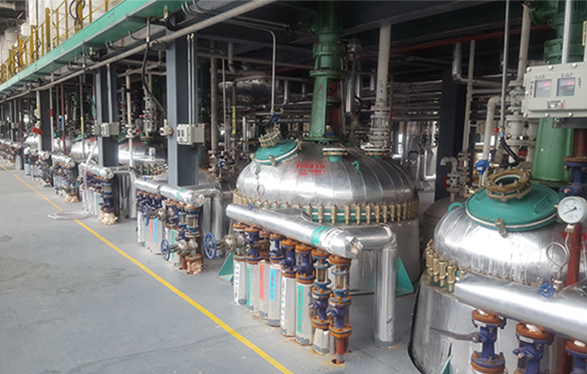
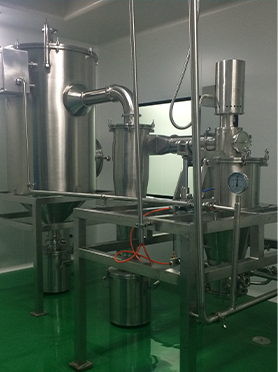
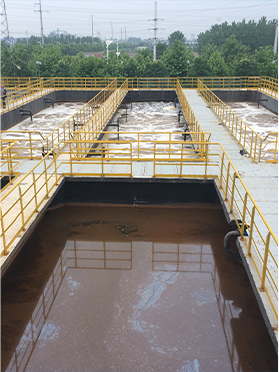
Manufacturing Facilities



Professional Export Experience
to Global Customers
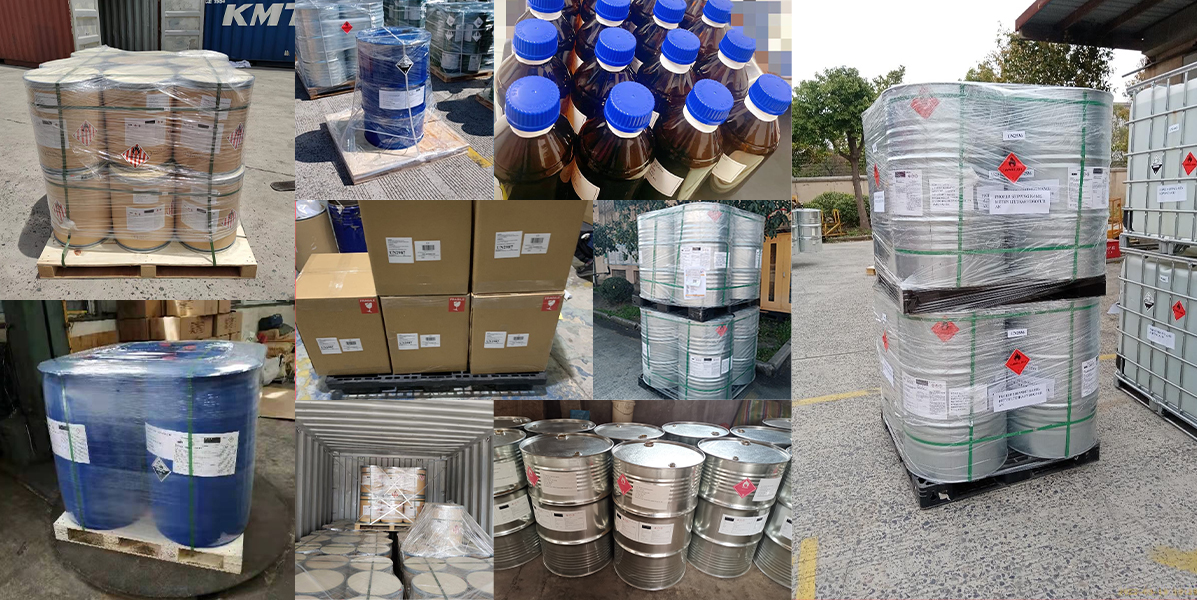
1. 20 years of R&D, manufacturing and sales experience, serving customers in 60 countries and regions around the world;
2. Own R&D laboratory, pilot platform and large-scale production workshop, which can meet the audit requirements of global customers;
3. We can satisfy customers' perfect transition from small scale lab requirements (gram level) to commercialization requirements (hundred tons level).
A: We don't have Minimum Order Quantity, exact quantity should be provided before quotation for us to calculate the exact cost.
A: We don't provide free samples due to lots of request and expensive international courier's cost, we can deduct the sample charge after commercial order placed.
A: Our payment terms: Small or sample order: T/T IN ADVANCE. Commercial order: First order should be by T/T IN ADVANCE or L/C at sight, and following orders T/T 30~90days is acceptable subject to approval of credit application.