
Custom Manufacturing, Project Outsourcing, your Trusted Partner from China
Active Pharmaceutical Ingredients (APIs) are the core components of any drug. Their synthesis is a complex, multi-step process that relies heavily on a chain of chemical reactions involving various precursors, often referred to as pharmaceutical intermediates. These intermediates are not just raw materials; they are meticulously designed molecules that contribute specific structural elements and functionalities, guiding the reaction pathway towards the desired API. For R&D scientists and procurement managers, understanding these intermediates is key to efficient and successful drug development.
Consider the synthesis of Bepotastine besilate, a non-sedating H1-antagonist. A critical intermediate in its production is (S)-2-[(4-Chlorophenyl)(4-piperidinyloxy)methyl]pyridine (CAS: 201594-84-5). The precise stereochemistry and chemical structure of this intermediate are vital for ensuring the correct formation of the final API. Any deviation in its quality, purity, or isomeric form can lead to reduced efficacy, increased side effects, or failure to meet stringent regulatory standards.
APIs are often complex organic molecules with multiple chiral centers and functional groups. Synthesizing them directly from basic chemicals is often impractical or uneconomical. Pharmaceutical intermediates provide pre-assembled structural units, simplifying the overall synthetic route and reducing the number of reaction steps required. This modular approach allows for greater control over stereochemistry and regiochemistry.
Many APIs are chiral, meaning they exist as non-superimposable mirror images (enantiomers). Often, only one enantiomer possesses the desired therapeutic activity, while the other might be inactive or even harmful. Intermediates, especially those that introduce or define chiral centers, must be produced with high enantiomeric purity. For example, the designation of (S) in (S)-2-[(4-Chlorophenyl)(4-piperidinyloxy)methyl]pyridine highlights its specific chiral form, which is crucial for its role in Bepotastine besilate synthesis.
The transition from laboratory-scale research to commercial production requires scalable synthetic routes. Intermediates that can be produced efficiently and cost-effectively in large quantities are essential for this transition. Manufacturers that offer intermediates from gram to ton scale, such as those based in China, play a vital role in the pharmaceutical supply chain. When you need to buy large quantities of a specific intermediate, confirming the supplier's scale-up capabilities is paramount.
While the cost of intermediates can vary, using well-defined intermediates often leads to more economical API synthesis compared to lengthy de novo synthesis. By breaking down a complex synthesis into manageable stages, manufacturers can optimize each step for yield and cost, making the final API more affordable. Investigating the price of key intermediates from various manufacturers can reveal significant cost-saving opportunities.
Each intermediate in the synthesis pathway is subject to quality control checks. A robust quality management system at the intermediate manufacturing stage is crucial for ensuring the final API meets regulatory standards. Reliable suppliers will provide comprehensive documentation and conform to international quality benchmarks. This is why sourcing from established pharmaceutical intermediate manufacturers, who can provide detailed CoAs and support regulatory filings, is highly recommended.
In essence, pharmaceutical intermediates are the backbone of modern drug manufacturing. They enable the creation of complex, life-saving medications by providing well-defined, high-purity building blocks that streamline synthesis, ensure stereochemical integrity, and facilitate scalability. For pharmaceutical companies, identifying and partnering with reliable suppliers of these critical compounds is a strategic imperative for success in the competitive drug development landscape. When seeking to purchase these essential components, always prioritize quality and supplier expertise.
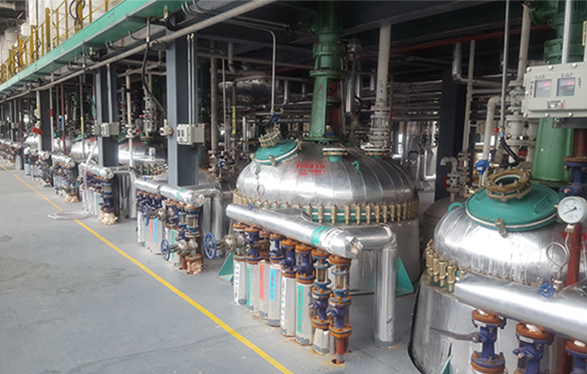
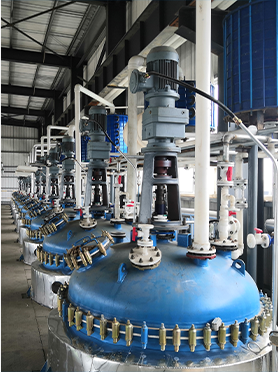
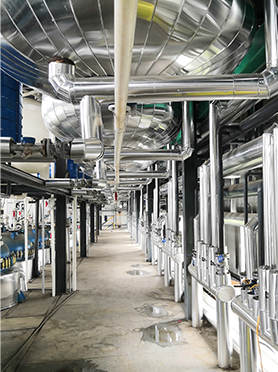
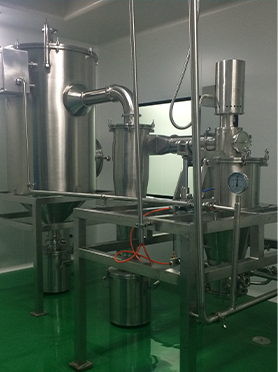
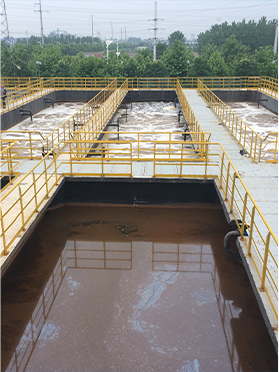
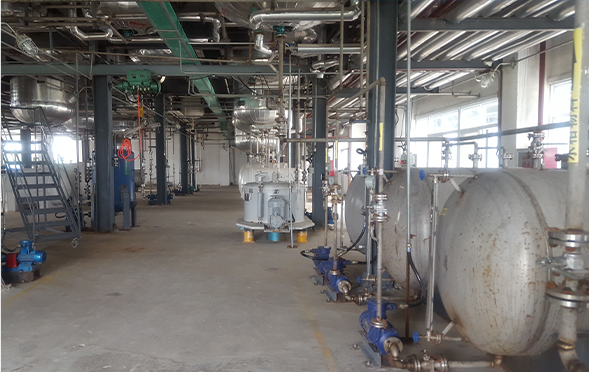
Manufacturing Facilities
Professional Export Experience
to Global Customers
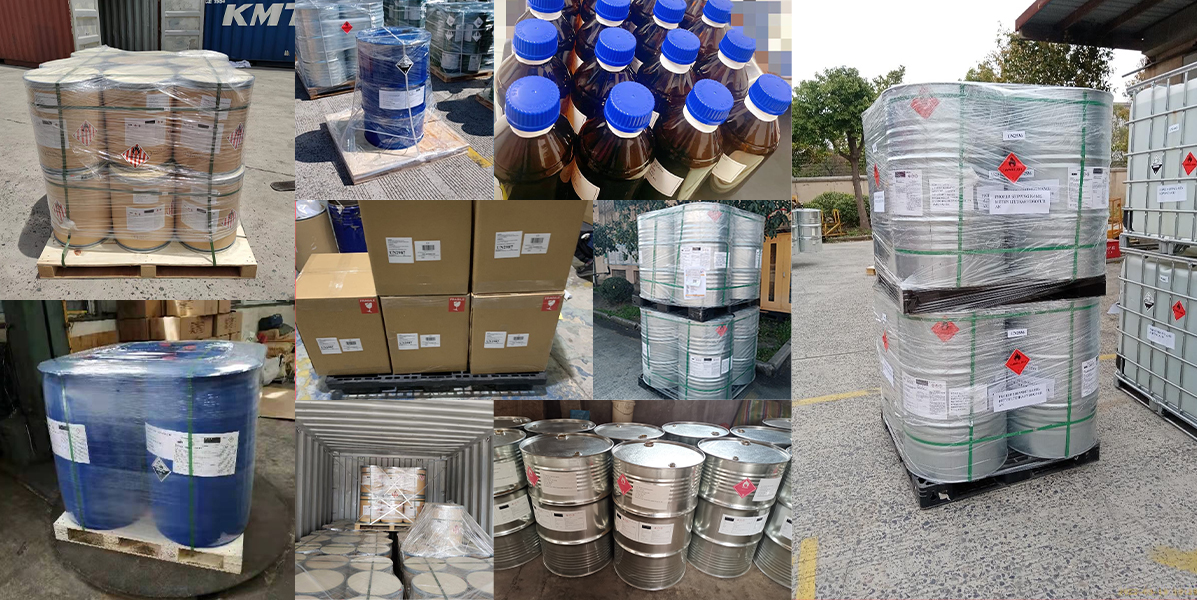
1. 20 years of R&D, manufacturing and sales experience, serving customers in 60 countries and regions around the world;
2. Own R&D laboratory, pilot platform and large-scale production workshop, which can meet the audit requirements of global customers;
3. We can satisfy customers' perfect transition from small scale lab requirements (gram level) to commercialization requirements (hundred tons level).
A: We don't have Minimum Order Quantity, exact quantity should be provided before quotation for us to calculate the exact cost.
A: We don't provide free samples due to lots of request and expensive international courier's cost, we can deduct the sample charge after commercial order placed.
A: Our payment terms: Small or sample order: T/T IN ADVANCE. Commercial order: First order should be by T/T IN ADVANCE or L/C at sight, and following orders T/T 30~90days is acceptable subject to approval of credit application.