
Custom Manufacturing, Project Outsourcing, your Trusted Partner from China
The textile industry relies on a sophisticated array of chemicals to achieve vibrant colors, lasting finishes, and efficient processing. Among these essential agents, Sodium Formate holds a significant position as a versatile dyeing and printing auxiliary. Its unique chemical properties contribute to improved dye uptake, enhanced colorfastness, and overall efficiency in textile manufacturing.
Sodium Formate, the sodium salt of formic acid (HCOONa), is a white crystalline powder that is highly soluble in water. In textile dyeing and printing, it serves multiple crucial functions, primarily as a reducing agent and a buffering agent. These roles are vital for achieving optimal results with various types of dyes, especially reactive and vat dyes.
As a reducing agent, Sodium Formate plays a critical role in certain dyeing processes, particularly those involving dyes that require reduction to become soluble and reactive. It helps in the proper fixation of these dyes onto the textile fibers, ensuring a more uniform and intense coloration. This action is essential for achieving bright and deep shades that are characteristic of high-quality textile products.
Furthermore, Sodium Formate acts as a pH regulator or buffering agent in dye baths. Maintaining a stable pH is crucial for the consistency and effectiveness of the dyeing process. By controlling the pH, Sodium Formate helps to prevent undesirable chemical reactions that could lead to uneven dyeing or damage to the fabric. This buffering capacity ensures that the dye bath remains within the optimal range for dye absorption and fixation, leading to reproducible and high-quality results.
The use of Sodium Formate in textile printing further enhances the quality of printed fabrics. It can improve the sharpness of printed patterns and the intensity of colors by ensuring proper dye penetration and fixation in the printed areas. Its application contributes to achieving crisp designs and vibrant prints that meet consumer expectations.
The environmental profile of Sodium Formate also makes it an attractive option for the textile industry, which is increasingly focused on sustainable practices. Its biodegradability and relatively lower toxicity compared to some traditional textile chemicals align with the industry's efforts to reduce its ecological impact.
In conclusion, Sodium Formate is an indispensable auxiliary in the textile industry. Its functions as a reducing agent and a buffering agent contribute significantly to the quality, vibrancy, and efficiency of dyeing and printing processes. As the textile sector continues to innovate and prioritize sustainability, Sodium Formate remains a key chemical agent, facilitating the creation of high-quality fabrics with superior color performance.
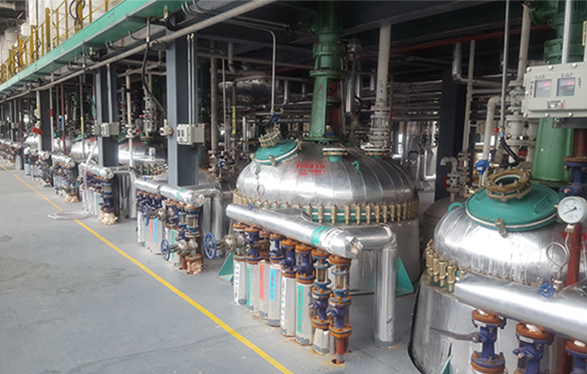
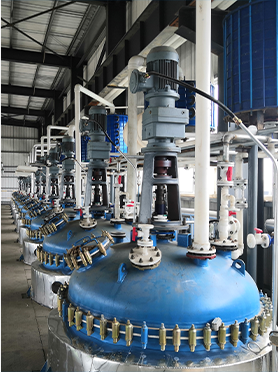
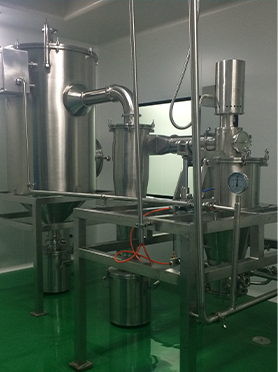
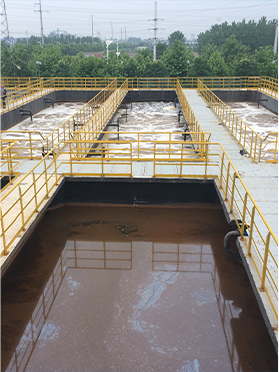
Manufacturing Facilities


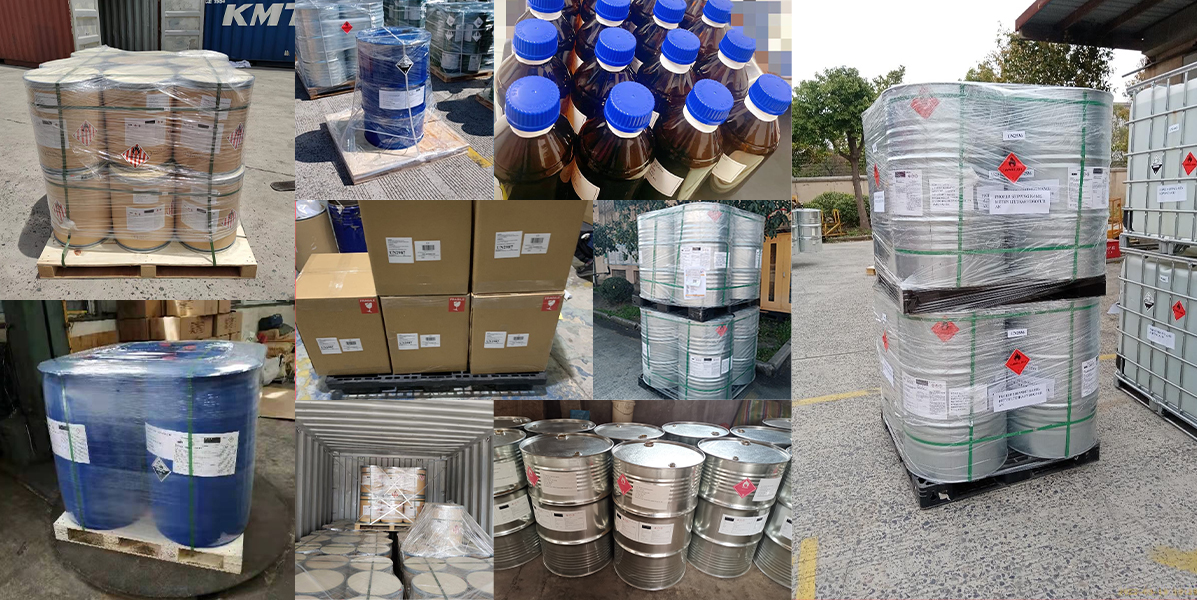
Professional Export Experience
to Global Customers
1. 20 years of R&D, manufacturing and sales experience, serving customers in 60 countries and regions around the world;
2. Own R&D laboratory, pilot platform and large-scale production workshop, which can meet the audit requirements of global customers;
3. We can satisfy customers' perfect transition from small scale lab requirements (gram level) to commercialization requirements (hundred tons level).
A: We don't have Minimum Order Quantity, exact quantity should be provided before quotation for us to calculate the exact cost.
A: We don't provide free samples due to lots of request and expensive international courier's cost, we can deduct the sample charge after commercial order placed.
A: Our payment terms: Small or sample order: T/T IN ADVANCE. Commercial order: First order should be by T/T IN ADVANCE or L/C at sight, and following orders T/T 30~90days is acceptable subject to approval of credit application.