
Custom Manufacturing, Project Outsourcing, your Trusted Partner from China
The textile printing industry employs various techniques, each with its unique requirements for printing pastes and auxiliaries. Two common methods are rotary screen printing and flat screen printing. While both utilize screens to transfer designs onto fabric, their operational mechanics necessitate specific properties from printing thickeners to achieve optimal results. For manufacturers aiming to buy the best textile chemicals, understanding these differences and selecting the appropriate thickener is crucial for ensuring print quality, efficiency, and cost-effectiveness.
Understanding Rotary Screen Printing
Rotary screen printing is a high-speed, continuous process widely used for printing large volumes of fabric, particularly for designs with fine details or continuous patterns. In this method, the design is etched onto a cylindrical screen. The printing paste, precisely thickened, is fed through the screen onto the fabric as it passes underneath. The success of rotary printing relies on a thickener that can provide excellent flow properties and stability under high-speed conditions. A paste that is too thin will bleed, while one that is too thick will hinder efficient transfer and potentially damage the screen. Thus, a thickener offering good rheological control and shear thinning properties is ideal for this application.
Understanding Flat Screen Printing
Flat screen printing, also known as screen printing or flatbed printing, involves using flat screens that are stationary during the print application. This method is often preferred for smaller runs, intricate designs, or when higher precision is required. The printing paste is manually or mechanically squeegeed across the screen. For flat printing, the thickener needs to ensure that the paste has sufficient viscosity to adhere to the fabric without spreading, allowing for sharp definition and clean edges. While stability is always important, the specific rheological profile required might differ slightly from rotary printing, often favoring a paste that holds its shape well after application.
Selecting the Optimal Thickener for Each Method
When you are ready to buy textile printing thickeners, consider the printing method you will be employing. For rotary printing, a high-quality synthetic thickener known for its excellent electrolyte resistance and shear-thinning behavior is often recommended. These properties ensure smooth paste flow and sharp prints even at high speeds. For flat printing, a versatile thickener that provides strong water cohesion and thickening capability is suitable. Many modern thickeners are designed to perform well in both applications, offering manufacturers flexibility. When purchasing, consult with your supplier to ensure the thickener is compatible with your specific pigments and fabric types, and inquire about recommended dosages for both printing methods.
Partnering with a Knowledgeable Supplier
As a manufacturer and supplier of textile auxiliaries, we understand the critical role of the right thickener. We offer a range of high-performance water holding thickeners suitable for both rotary and flat printing. Our products are designed to provide excellent thickening, color yield, and stability, ensuring you achieve the highest quality results. By partnering with us, you gain access to expert advice and reliable chemical solutions to optimize your fabric printing processes. If you are looking to buy superior textile printing thickeners, contact us to discuss your specific needs and discover how our products can enhance your production.
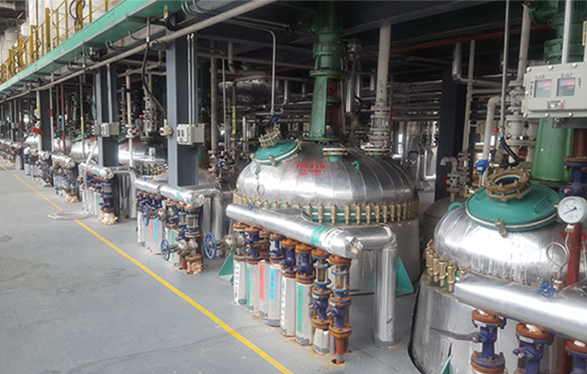
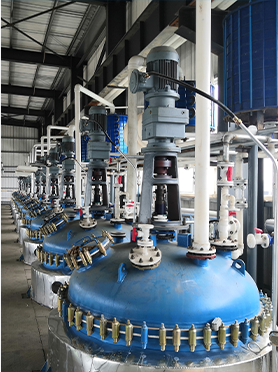
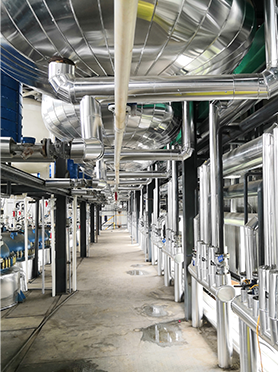
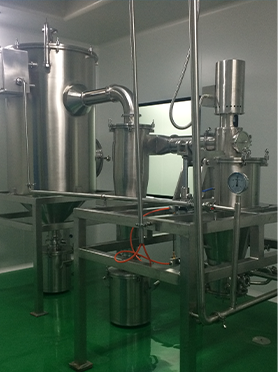
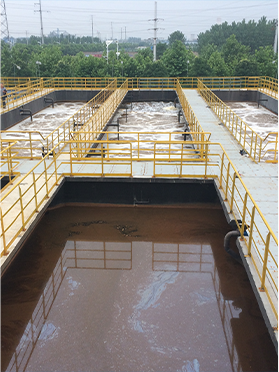
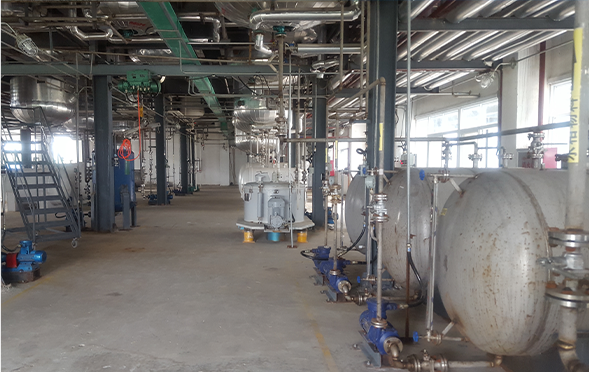
Manufacturing Facilities
Professional Export Experience
to Global Customers
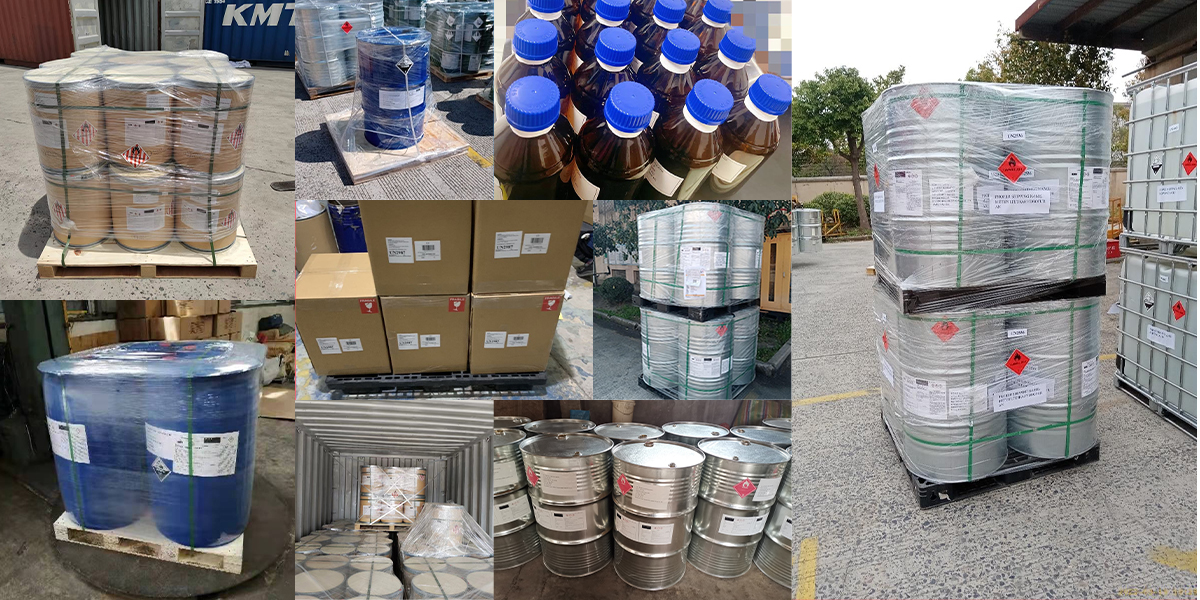
1. 20 years of R&D, manufacturing and sales experience, serving customers in 60 countries and regions around the world;
2. Own R&D laboratory, pilot platform and large-scale production workshop, which can meet the audit requirements of global customers;
3. We can satisfy customers' perfect transition from small scale lab requirements (gram level) to commercialization requirements (hundred tons level).
A: We don't have Minimum Order Quantity, exact quantity should be provided before quotation for us to calculate the exact cost.
A: We don't provide free samples due to lots of request and expensive international courier's cost, we can deduct the sample charge after commercial order placed.
A: Our payment terms: Small or sample order: T/T IN ADVANCE. Commercial order: First order should be by T/T IN ADVANCE or L/C at sight, and following orders T/T 30~90days is acceptable subject to approval of credit application.