
Custom Manufacturing, Project Outsourcing, your Trusted Partner from China
The chemical industry relies on a vast array of reactive intermediates to synthesize everything from life-saving pharmaceuticals to advanced materials. However, the very reactivity that makes these compounds valuable also presents inherent safety challenges. Proper handling and storage protocols are not just best practices; they are critical for preventing accidents, maintaining product integrity, and ensuring the safety of personnel and the environment. 3,3-Dimethylacryloyl Chloride (CAS: 3350-78-5), a reactive acyl chloride, serves as a pertinent example for discussing these essential safety considerations.
Understanding the Hazards of Reactive Intermediates
Reactive intermediates, by definition, are compounds that readily undergo chemical reactions. This can manifest in several ways:
Best Practices for Handling 3,3-Dimethylacryloyl Chloride
For a compound like 3,3-Dimethylacryloyl Chloride, adherence to specific safety guidelines is paramount:
Safe Storage Recommendations
The way a chemical is stored significantly impacts its stability and safety:
The Role of the Supplier
Reputable suppliers, such as NINGBO INNO PHARMCHEM CO.,LTD., play a crucial role in promoting safe chemical handling. They provide comprehensive safety data sheets (SDS) that detail hazards, first-aid measures, firefighting procedures, and spill cleanup protocols. Understanding and following the information provided in the SDS is the first step for any user of these chemicals. Procurement managers should ensure their suppliers readily provide this critical documentation.
Conclusion
The safe use of reactive chemical intermediates like 3,3-Dimethylacryloyl Chloride is a shared responsibility. By implementing robust handling procedures, adhering to strict storage guidelines, and leveraging the safety information provided by trusted manufacturers, chemical professionals can mitigate risks and ensure both operational efficiency and personnel safety.
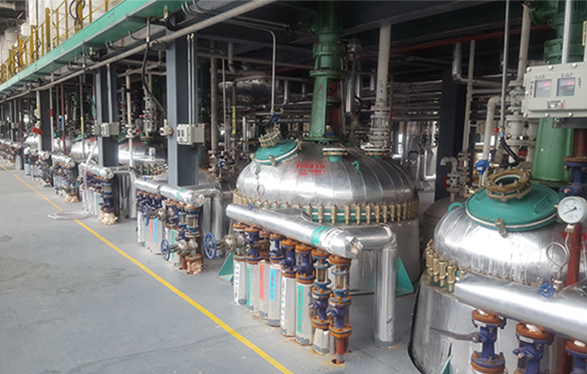
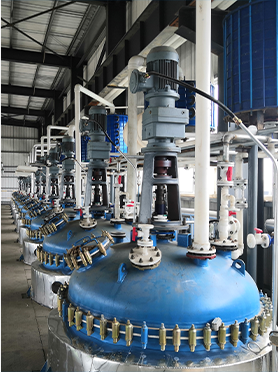
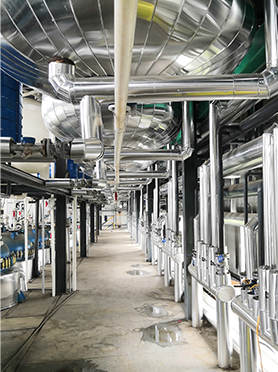
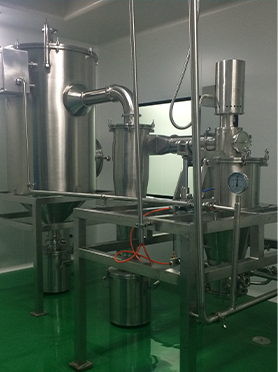
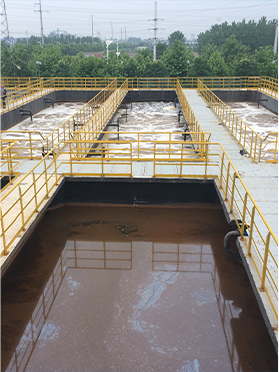
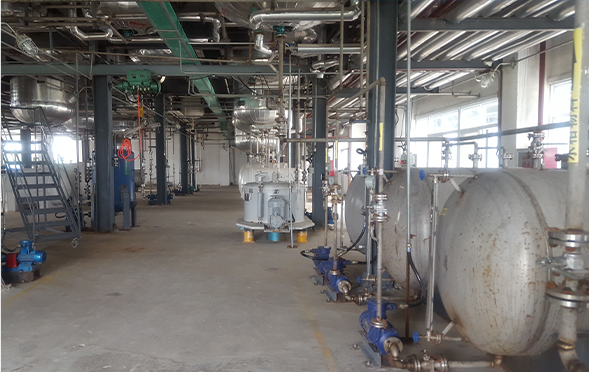
Manufacturing Facilities
Professional Export Experience
to Global Customers
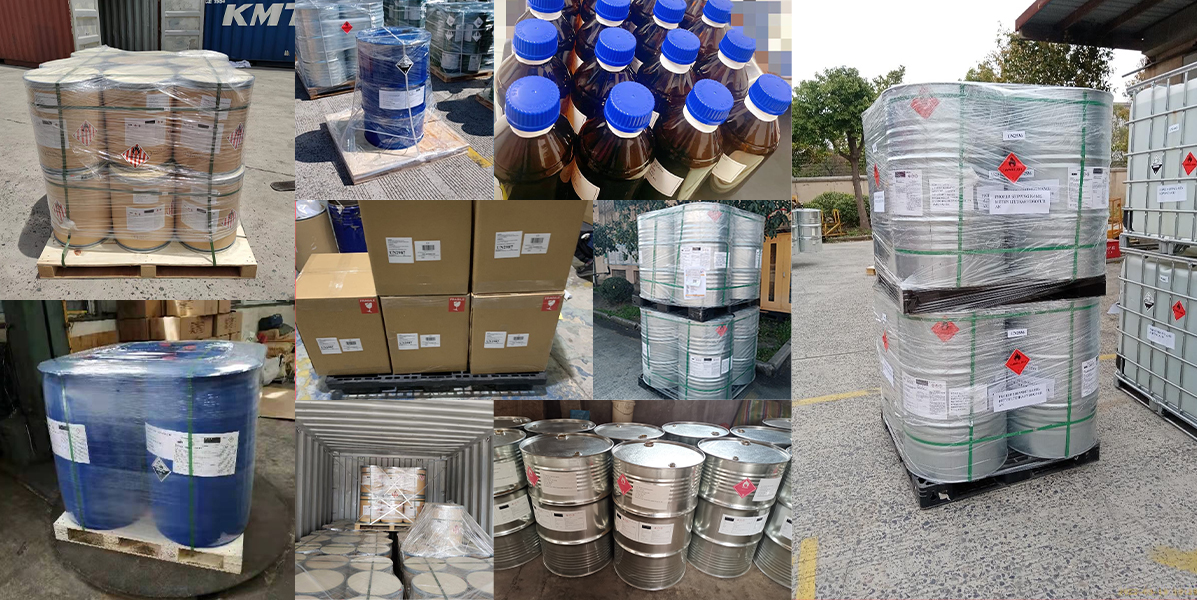
1. 20 years of R&D, manufacturing and sales experience, serving customers in 60 countries and regions around the world;
2. Own R&D laboratory, pilot platform and large-scale production workshop, which can meet the audit requirements of global customers;
3. We can satisfy customers' perfect transition from small scale lab requirements (gram level) to commercialization requirements (hundred tons level).
A: We don't have Minimum Order Quantity, exact quantity should be provided before quotation for us to calculate the exact cost.
A: We don't provide free samples due to lots of request and expensive international courier's cost, we can deduct the sample charge after commercial order placed.
A: Our payment terms: Small or sample order: T/T IN ADVANCE. Commercial order: First order should be by T/T IN ADVANCE or L/C at sight, and following orders T/T 30~90days is acceptable subject to approval of credit application.