
Custom Manufacturing, Project Outsourcing, your Trusted Partner from China
Trifluoromethanesulfonic acid (TFMSA), or triflic acid, is a powerful and indispensable chemical reagent, renowned for its exceptional acidity and stability. However, its potency also means it presents significant hazards that necessitate stringent safety measures for handling. As one of the strongest known organic acids, TFMSA is highly corrosive and can cause severe damage upon contact with skin, eyes, and respiratory tissues.
Understanding the inherent risks associated with triflic acid is the first step towards safe handling. The chemical is classified as corrosive and can cause severe burns. Inhalation of its vapors can lead to irritation and damage to the respiratory tract. Furthermore, TFMSA is hygroscopic, meaning it readily absorbs moisture from the air, which can intensify its corrosive properties and lead to fuming. Its reactivity with certain materials, such as water and bases, can be exothermic and potentially hazardous if not managed properly.
To mitigate these risks, meticulous safety protocols must be implemented in any setting where triflic acid is used, whether in a research laboratory or an industrial facility. The use of appropriate personal protective equipment (PPE) is non-negotiable. This includes chemical-resistant gloves (such as nitrile or neoprene), safety goggles or a face shield, and a lab coat or chemical-resistant apron. Work should always be conducted in a well-ventilated area, preferably within a fume hood, to minimize exposure to vapors.
When transferring or diluting triflic acid, it is crucial to add the acid slowly to water or the solvent, never the other way around, to manage the exothermic reaction safely. Storage should be in tightly sealed containers, made of compatible materials, in a cool, dry, and well-ventilated area, away from incompatible substances like strong bases, oxidizing agents, and metals. Spill containment and neutralization procedures should be readily available and understood by all personnel working with the chemical. Regular safety training and adherence to established protocols are vital to ensure the safe and effective use of this powerful chemical agent.
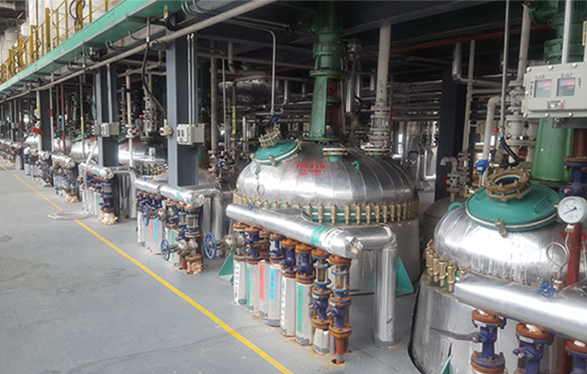
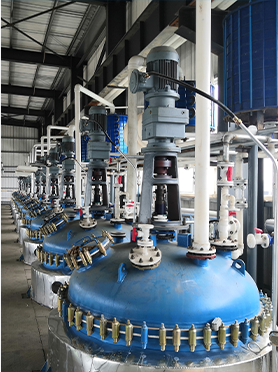
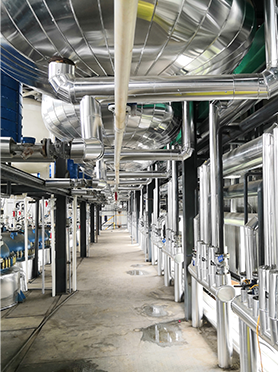
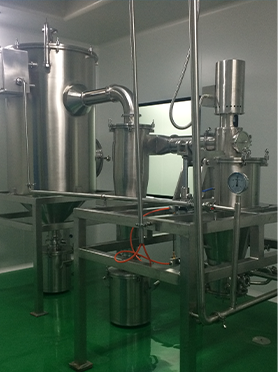
Manufacturing Facilities
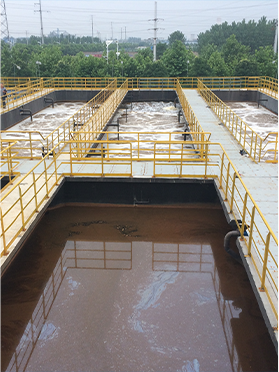
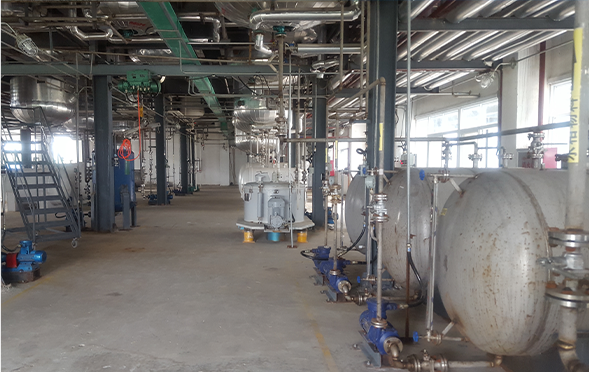
Professional Export Experience
to Global Customers
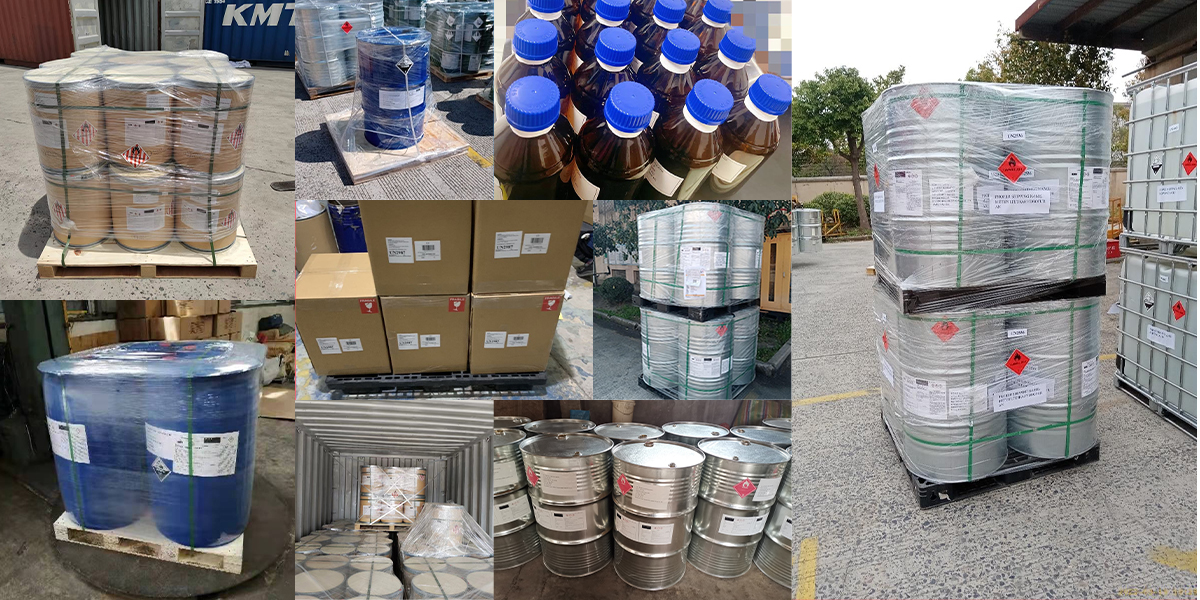
1. 20 years of R&D, manufacturing and sales experience, serving customers in 60 countries and regions around the world;
2. Own R&D laboratory, pilot platform and large-scale production workshop, which can meet the audit requirements of global customers;
3. We can satisfy customers' perfect transition from small scale lab requirements (gram level) to commercialization requirements (hundred tons level).
A: We don't have Minimum Order Quantity, exact quantity should be provided before quotation for us to calculate the exact cost.
A: We don't provide free samples due to lots of request and expensive international courier's cost, we can deduct the sample charge after commercial order placed.
A: Our payment terms: Small or sample order: T/T IN ADVANCE. Commercial order: First order should be by T/T IN ADVANCE or L/C at sight, and following orders T/T 30~90days is acceptable subject to approval of credit application.