
Custom Manufacturing, Project Outsourcing, your Trusted Partner from China
The industrial use of any chemical intermediate necessitates a rigorous approach to safety. 4-Chloro-3-nitrotoluene (CAS 89-60-1), while a valuable compound for synthesis, presents certain hazards that require careful management. Ensuring the well-being of personnel and the environment is paramount. This guide outlines the critical safety considerations and protocols for handling this chemical in an industrial setting.
Understanding the Hazards of 4-Chloro-3-nitrotoluene
Based on available safety data, 4-Chloro-3-nitrotoluene carries specific hazard classifications:
Occupational Exposure Limits and Monitoring
To protect workers, regulatory bodies establish Occupational Exposure Limits (OELs). For nitrotoluenes, these limits are typically set by agencies like OSHA and ACGIH. It is crucial for facilities to implement air monitoring programs to ensure exposure levels remain below these limits. Regular monitoring helps identify potential exposure risks and assess the effectiveness of control measures.
Risk Management and Mitigation Strategies
A multi-layered approach is essential for effectively managing the risks associated with 4-Chloro-3-nitrotoluene:
Safe Storage and Handling Procedures
Proper storage is crucial to prevent accidents and degradation. 4-Chloro-3-nitrotoluene should be stored in tightly sealed containers in a cool, dry, well-ventilated area, away from incompatible materials such as strong oxidizers, acids, and bases. Areas storing this chemical should be clearly marked with hazard warnings.
Emergency Response and Spill Management
Comprehensive emergency response plans must be in place. This includes having readily accessible spill kits with appropriate absorbent materials and neutralization agents. Personnel should be trained on emergency procedures, including evacuation routes and the use of safety equipment. In case of skin or eye contact, immediate flushing with copious amounts of water is essential, followed by medical attention. For inhalation exposure, moving the affected individual to fresh air and seeking medical help is critical.
By prioritizing these safety measures, chemical manufacturers and users can ensure the responsible handling of 4-Chloro-3-nitrotoluene, protecting both their workforce and the environment.
Manufacturing Facilities
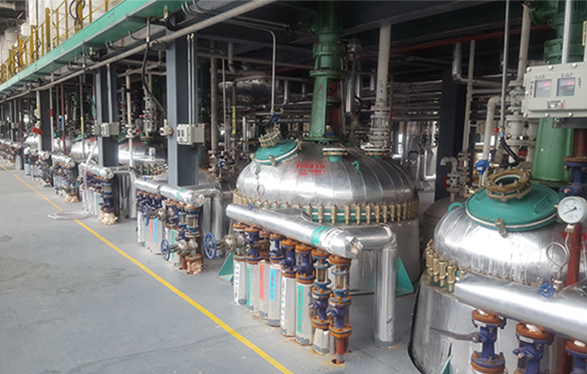
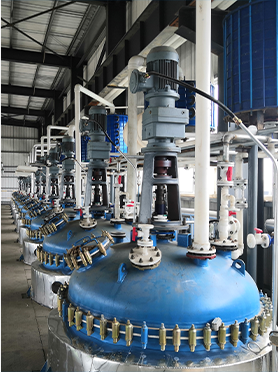
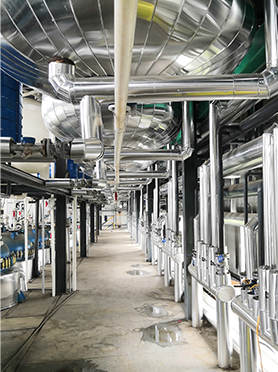
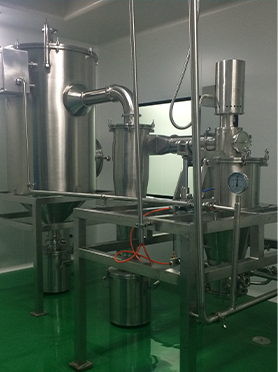
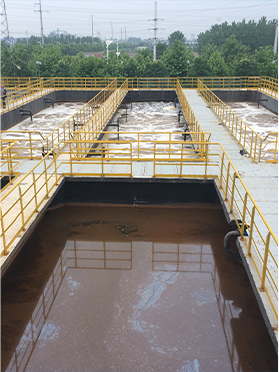
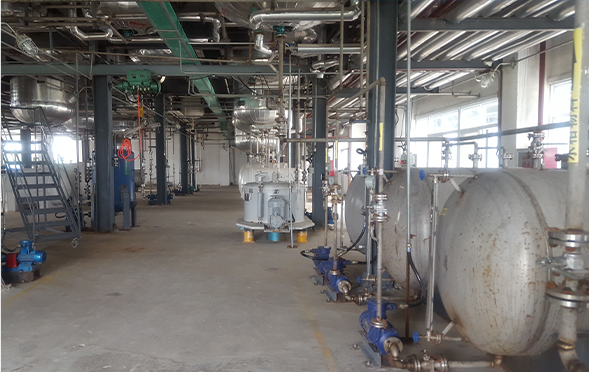
Professional Export Experience
to Global Customers
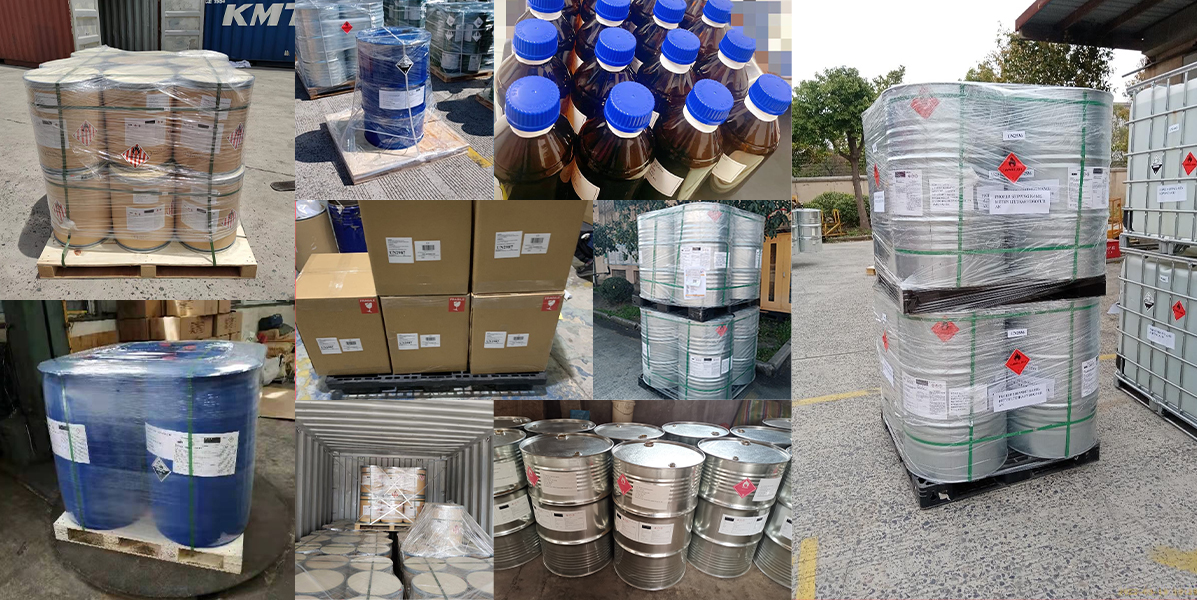
1. 20 years of R&D, manufacturing and sales experience, serving customers in 60 countries and regions around the world;
2. Own R&D laboratory, pilot platform and large-scale production workshop, which can meet the audit requirements of global customers;
3. We can satisfy customers' perfect transition from small scale lab requirements (gram level) to commercialization requirements (hundred tons level).
A: We don't have Minimum Order Quantity, exact quantity should be provided before quotation for us to calculate the exact cost.
A: We don't provide free samples due to lots of request and expensive international courier's cost, we can deduct the sample charge after commercial order placed.
A: Our payment terms: Small or sample order: T/T IN ADVANCE. Commercial order: First order should be by T/T IN ADVANCE or L/C at sight, and following orders T/T 30~90days is acceptable subject to approval of credit application.