
Custom Manufacturing, Project Outsourcing, your Trusted Partner from China
P-Toluenesulfonyl Chloride (PTSC), CAS 98-59-9, is a valuable chemical intermediate, but like many industrial chemicals, it requires careful handling and adherence to strict safety protocols. For R&D scientists, chemical engineers, and procurement specialists who purchase and utilize PTSC, understanding its hazards and implementing appropriate safety measures is paramount. This guide provides essential information for the safe handling of this compound.
PTSC is classified as a corrosive and irritating substance. Its primary hazards stem from its reactivity, particularly with moisture. Upon contact with water, it can hydrolyze and release hydrochloric acid (HCl), which is corrosive. Therefore, it is critical to keep containers tightly closed and store PTSC in a cool, dry, and well-ventilated area, away from sources of moisture. Direct contact with skin, eyes, and respiratory tract should be avoided at all costs.
When handling P-Toluenesulfonyl Chloride, always wear appropriate personal protective equipment (PPE). This includes chemical-resistant gloves (e.g., nitrile or neoprene), safety goggles or a face shield to protect the eyes, and protective clothing, such as a lab coat or apron, to prevent skin contact. In areas where dust or vapors may be generated, respiratory protection, such as a respirator with an acid gas cartridge, should be used. Ensure that adequate ventilation is available in all work areas.
Spill management is another crucial aspect. Small spills should be carefully contained and absorbed with an inert material, such as sand or vermiculite, and then placed in a suitable container for disposal. Avoid using combustible materials. Due to its corrosive nature, spills should be cleaned up promptly following established hazardous material spill procedures. Always consult the Material Safety Data Sheet (MSDS) provided by the manufacturer for specific spill cleanup instructions.
Disposal of PTSC and any contaminated materials must be carried out in accordance with local, state, and federal regulations. Never dispose of chemical waste down drains or into the environment. Licensed hazardous waste disposal contractors should be utilized to ensure proper and compliant disposal methods.
When you buy P-Toluenesulfonyl Chloride from a reputable manufacturer or supplier, always ensure you receive and thoroughly review the MSDS. This document provides comprehensive information on hazards, first-aid measures, firefighting procedures, accidental release measures, and handling and storage recommendations. By prioritizing safety and following these guidelines, industrial users can effectively and responsibly utilize P-Toluenesulfonyl Chloride in their processes.
Manufacturing Facilities
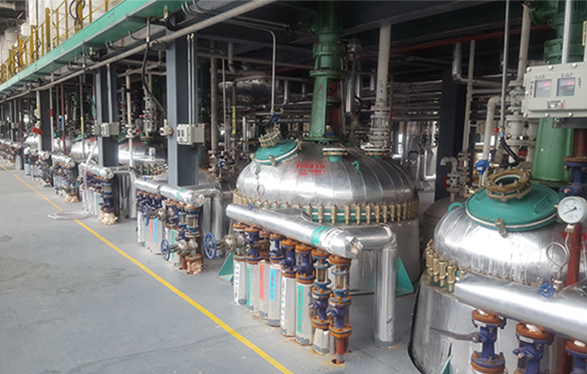
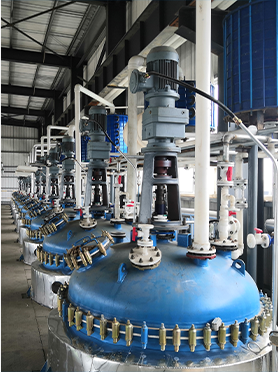
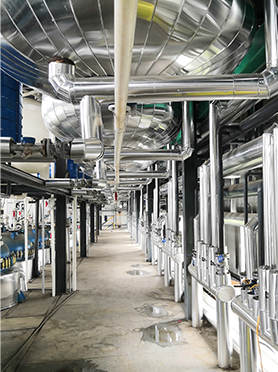
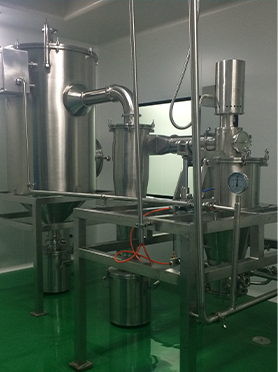
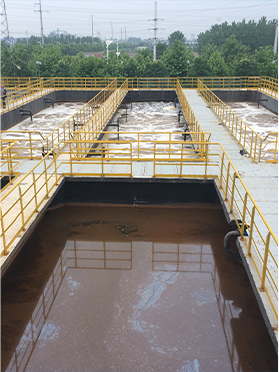
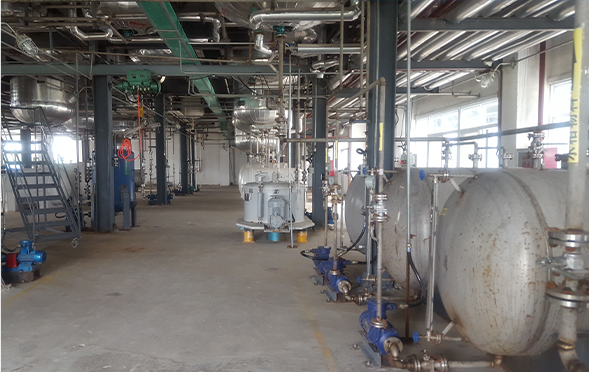
Professional Export Experience
to Global Customers
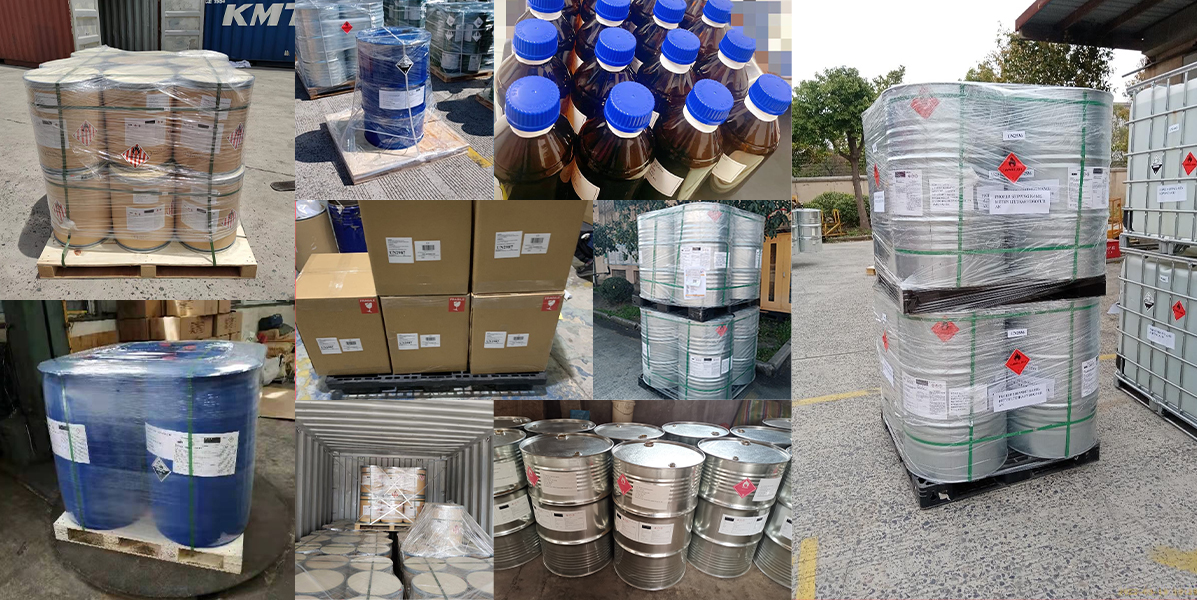
1. 20 years of R&D, manufacturing and sales experience, serving customers in 60 countries and regions around the world;
2. Own R&D laboratory, pilot platform and large-scale production workshop, which can meet the audit requirements of global customers;
3. We can satisfy customers' perfect transition from small scale lab requirements (gram level) to commercialization requirements (hundred tons level).
A: We don't have Minimum Order Quantity, exact quantity should be provided before quotation for us to calculate the exact cost.
A: We don't provide free samples due to lots of request and expensive international courier's cost, we can deduct the sample charge after commercial order placed.
A: Our payment terms: Small or sample order: T/T IN ADVANCE. Commercial order: First order should be by T/T IN ADVANCE or L/C at sight, and following orders T/T 30~90days is acceptable subject to approval of credit application.