
Custom Manufacturing, Project Outsourcing, your Trusted Partner from China
Tributylphosphine (CAS 998-40-3) is a valuable chemical reagent widely employed in various industrial applications, including catalysis and organic synthesis. However, like many reactive chemicals, it requires careful handling and adherence to strict safety protocols to mitigate risks. For procurement managers and EHS professionals, understanding the safety aspects of Tributylphosphine is as critical as its chemical properties. This guide outlines key safety considerations and handling procedures for industrial users.
Understanding the Hazards of Tributylphosphine
Tributylphosphine is characterized by several hazards that necessitate caution. It is flammable and may ignite spontaneously in air or with moist air, posing a fire risk. Its vapors can form explosive mixtures with air. Furthermore, it is corrosive and irritating to skin, eyes, and the respiratory tract. Contact can cause severe burns. The compound also possesses a nauseating odor, serving as an indicator of its presence. High concentrations can lead to severe injury or death upon inhalation. For these reasons, it is often handled under an inert atmosphere, such as nitrogen, to prevent contact with air and moisture.
Essential Handling Procedures
When working with Tributylphosphine, strict adherence to safety guidelines is paramount. Key handling procedures include:
Safe Storage Practices
Proper storage is crucial for maintaining the integrity of Tributylphosphine and ensuring safety. It should be stored in a cool, dry, well-ventilated place, away from incompatible materials such as oxidizing agents and sources of ignition. Containers must be tightly sealed to prevent exposure to air and moisture. Given its flammability and reactivity, it's advisable to store it in designated flammable liquid storage cabinets.
Procurement and Information Access
When procuring Tributylphosphine from a manufacturer or supplier, always request the Safety Data Sheet (SDS). The SDS provides comprehensive information on hazards, first aid measures, fire-fighting procedures, and handling and storage recommendations. Understanding these details before purchasing and using the product is a fundamental responsibility for all industrial users. Ensuring a reliable supply of this chemical means also having access to its complete safety profile.
By implementing these safety measures, industrial users can effectively manage the risks associated with Tributylphosphine, ensuring both personnel safety and the integrity of their processes.
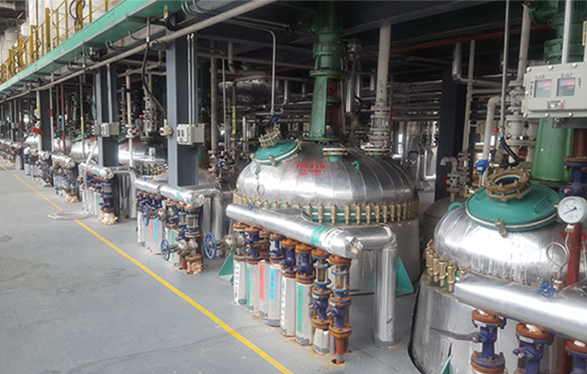
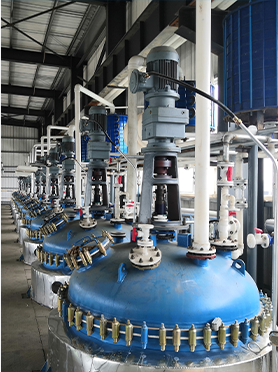
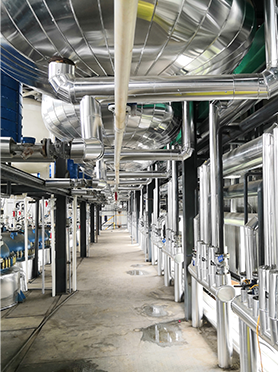
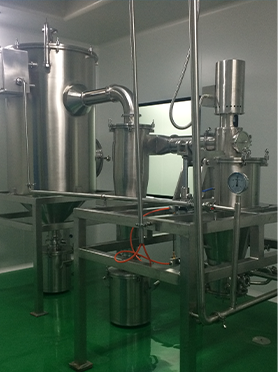
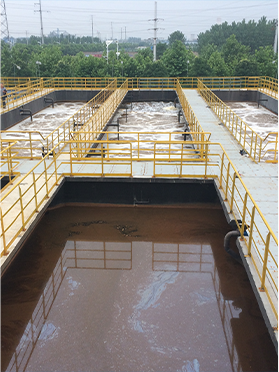
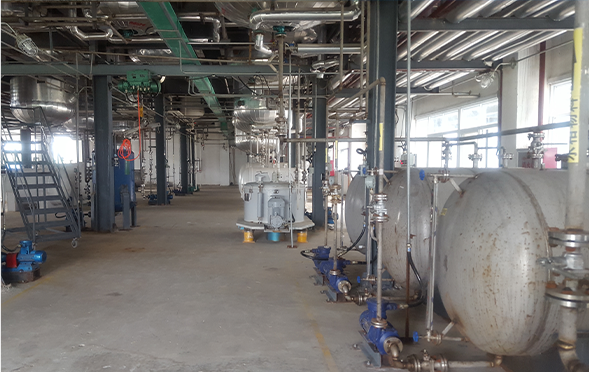
Manufacturing Facilities
Professional Export Experience
to Global Customers
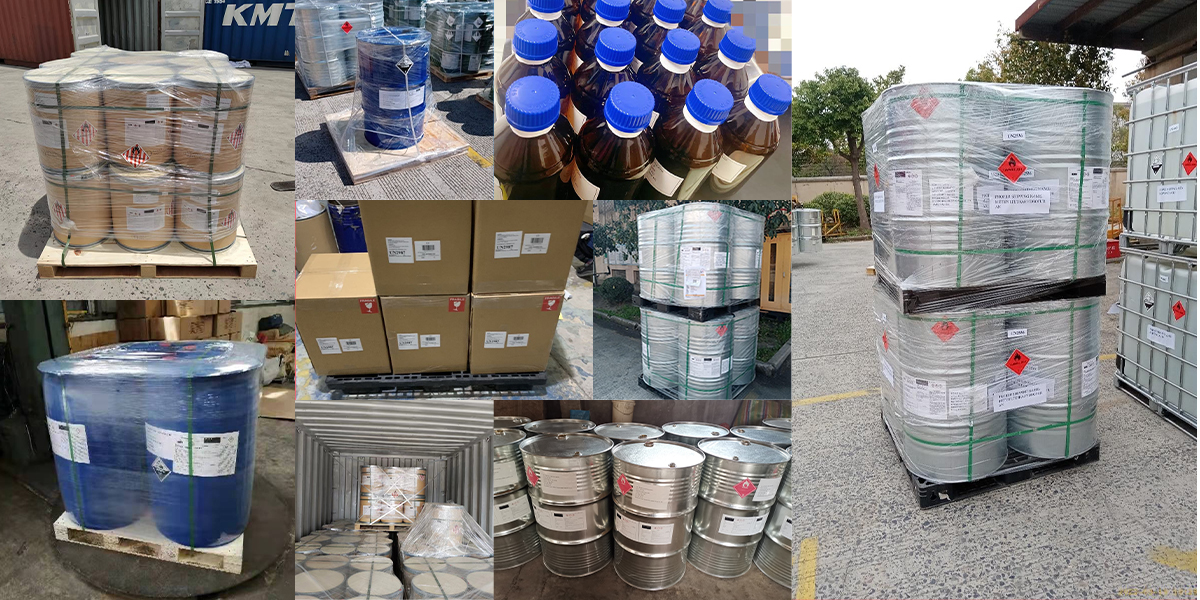
1. 20 years of R&D, manufacturing and sales experience, serving customers in 60 countries and regions around the world;
2. Own R&D laboratory, pilot platform and large-scale production workshop, which can meet the audit requirements of global customers;
3. We can satisfy customers' perfect transition from small scale lab requirements (gram level) to commercialization requirements (hundred tons level).
A: We don't have Minimum Order Quantity, exact quantity should be provided before quotation for us to calculate the exact cost.
A: We don't provide free samples due to lots of request and expensive international courier's cost, we can deduct the sample charge after commercial order placed.
A: Our payment terms: Small or sample order: T/T IN ADVANCE. Commercial order: First order should be by T/T IN ADVANCE or L/C at sight, and following orders T/T 30~90days is acceptable subject to approval of credit application.