
Custom Manufacturing, Project Outsourcing, your Trusted Partner from China
In the highly specialized world of electronic materials, the precise chemical structure and properties of organic molecules dictate their functionality and performance. 3-(4-Bromophenyl)-N-phenylcarbazole, identified by CAS number 1028647-93-9, is one such molecule that has garnered significant attention for its contributions to advanced electronic devices, particularly in the booming field of Organic Light-Emitting Diodes (OLEDs).
At its core, 3-(4-Bromophenyl)-N-phenylcarbazole is a carbazole derivative. The carbazole moiety itself is a rigid, planar structure composed of three fused rings, offering excellent thermal stability and favorable electronic properties, such as efficient charge transport. The strategic addition of substituents significantly tailors these properties. In this case, a bromophenyl group is attached at the 3-position of the carbazole, and a phenyl group is attached to the nitrogen atom (N-phenyl substitution). The presence of the bromine atom introduces a heavy atom effect and can influence spin-orbit coupling, which is relevant in certain optoelectronic applications. The N-phenyl group further modulates the electronic distribution and solubility of the molecule.
These structural features are critical for its application in OLED technology. In an OLED device, different organic layers are responsible for injecting, transporting, and recombining charges (electrons and holes) to generate light. 3-(4-Bromophenyl)-N-phenylcarbazole often functions as a hole-transporting material (HTM) or as a host material in the emissive layer. As an HTM, its molecular orbitals are well-aligned to facilitate the movement of holes from the anode towards the emissive layer. As a host material, it provides a stable matrix for phosphorescent or fluorescent dopants, enabling efficient energy transfer and light emission. The high purity required for these applications (typically >98% or 99% min) is crucial because even minute impurities can act as charge traps or quenching sites, reducing device efficiency and lifespan.
The scientific community and electronics manufacturers rely on consistent access to this high-purity intermediate. Companies that specialize in the custom synthesis and large-scale production of such electronic chemicals are indispensable partners. When researchers and engineers look to buy CAS 1028647-93-9, they are seeking a material that has been meticulously synthesized and purified to meet the stringent demands of modern electronic device fabrication. Understanding the underlying chemistry of these materials allows for informed decisions regarding their application and procurement, driving the continuous advancement of display technology and beyond.
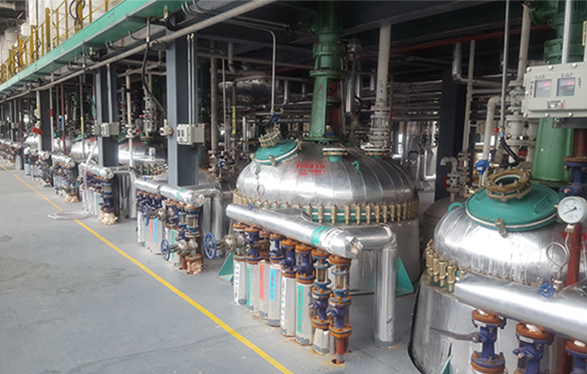
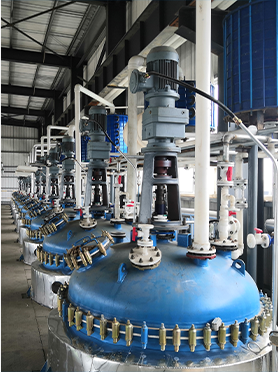
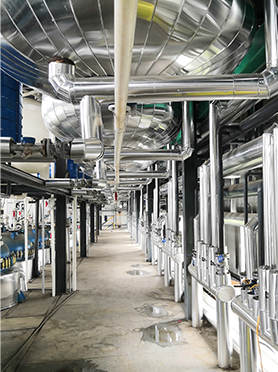
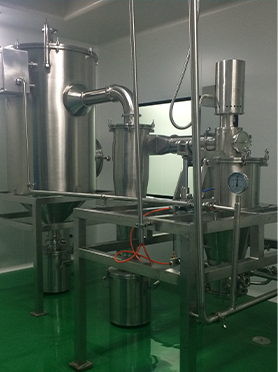
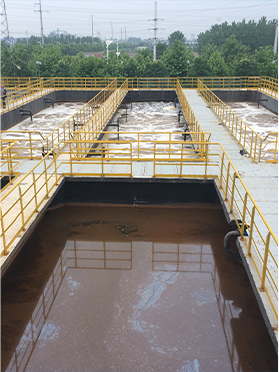
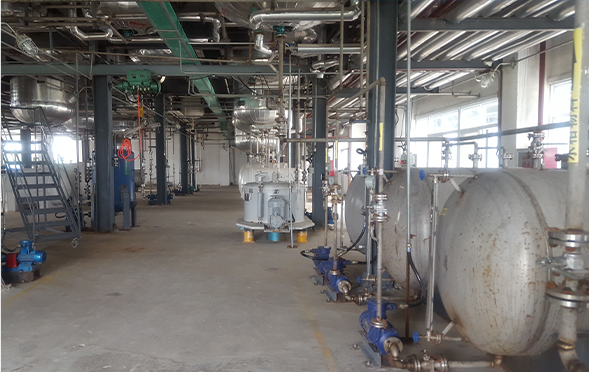
Manufacturing Facilities
Professional Export Experience
to Global Customers
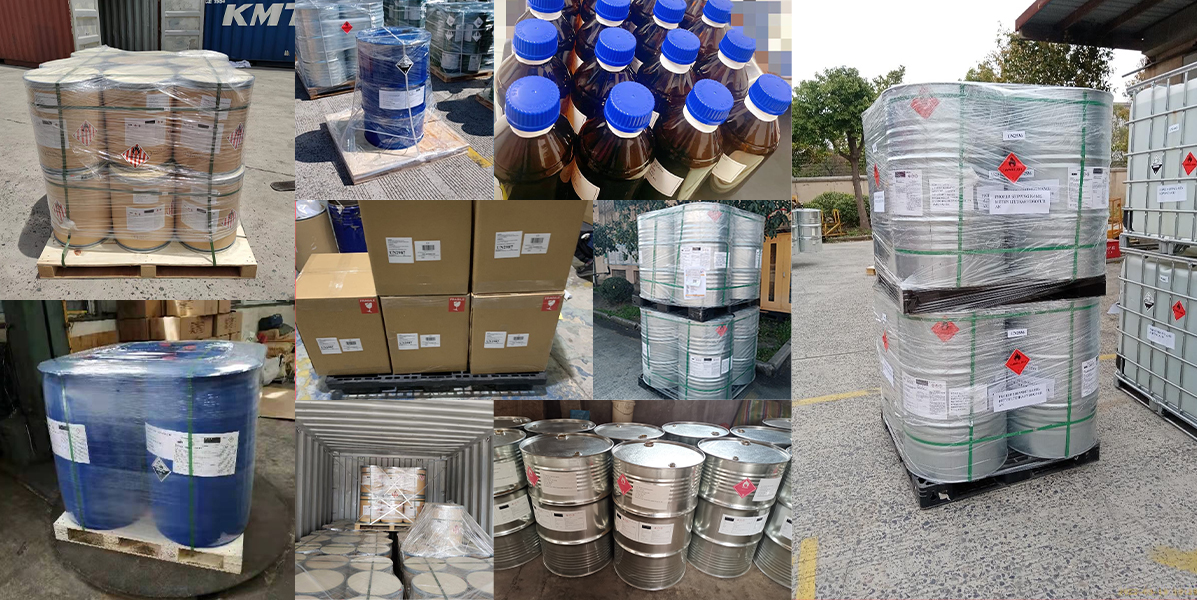
1. 20 years of R&D, manufacturing and sales experience, serving customers in 60 countries and regions around the world;
2. Own R&D laboratory, pilot platform and large-scale production workshop, which can meet the audit requirements of global customers;
3. We can satisfy customers' perfect transition from small scale lab requirements (gram level) to commercialization requirements (hundred tons level).
A: We don't have Minimum Order Quantity, exact quantity should be provided before quotation for us to calculate the exact cost.
A: We don't provide free samples due to lots of request and expensive international courier's cost, we can deduct the sample charge after commercial order placed.
A: Our payment terms: Small or sample order: T/T IN ADVANCE. Commercial order: First order should be by T/T IN ADVANCE or L/C at sight, and following orders T/T 30~90days is acceptable subject to approval of credit application.