
Custom Manufacturing, Project Outsourcing, your Trusted Partner from China
Optical brighteners are sophisticated chemical compounds that enhance the appearance of various materials by making them seem brighter and whiter. Their ability to absorb ultraviolet light and re-emit it as visible blue light is a key mechanism that counteracts yellowness and imparts a radiant finish. The development and production of these vital agents rely on precise chemical synthesis, where specific intermediates are indispensable.
One such crucial intermediate is 2-Amino-1,4-benzenedisulfonic acid (CAS 98-44-2). This aromatic sulfonic acid serves as a foundational element in the creation of several classes of optical brighteners. Its chemical structure is amenable to modification and incorporation into larger molecules that exhibit the desired fluorescent properties. The presence of sulfonic acid groups often contributes to the water solubility of the brighteners, which is important for their application in detergents, paper making, and textile finishing.
The synthesis of optical brighteners typically involves multi-step chemical reactions, often starting with aromatic compounds that are functionalized to achieve the correct spectral properties. Intermediates like 2-Amino-1,4-benzenedisulfonic acid provide the necessary structural elements and reactivity for these complex molecular constructions. For example, triazine derivatives, which are often synthesized from precursors derived from this intermediate, are common structures in many commercial optical brighteners.
The efficiency and quality of the resulting optical brightener are directly linked to the purity of the starting intermediates. Manufacturers who maintain strict quality control over their chemical synthesis processes, ensuring high purity for compounds like 2-Amino-1,4-benzenedisulfonic acid, are better positioned to produce high-performance brighteners. This attention to detail in chemical synthesis is what allows for the achievement of superior brightness and whiteness in end products.
As industries continue to seek improved aesthetic qualities in their products, the demand for advanced optical brighteners, and by extension, the intermediates used in their synthesis, is expected to grow. Understanding the science behind these compounds highlights the critical role of chemical intermediates in modern manufacturing and material science.
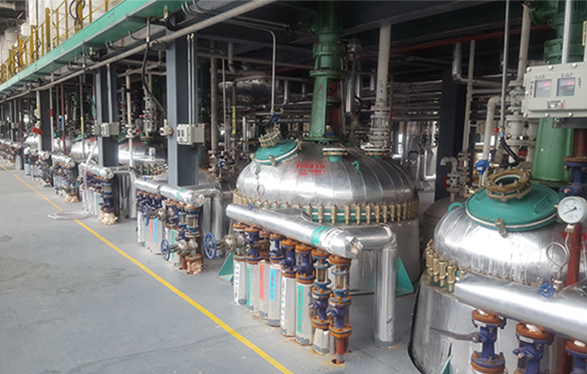
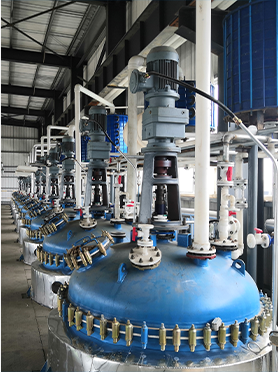
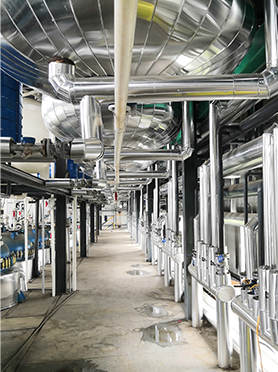
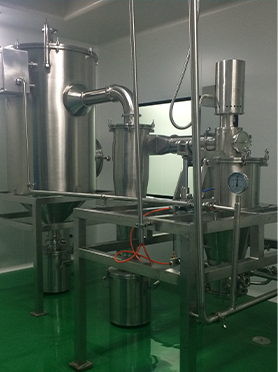
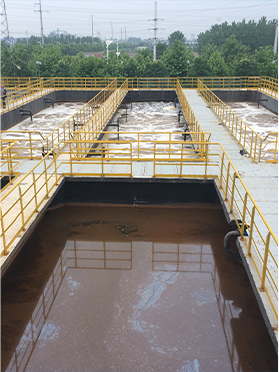
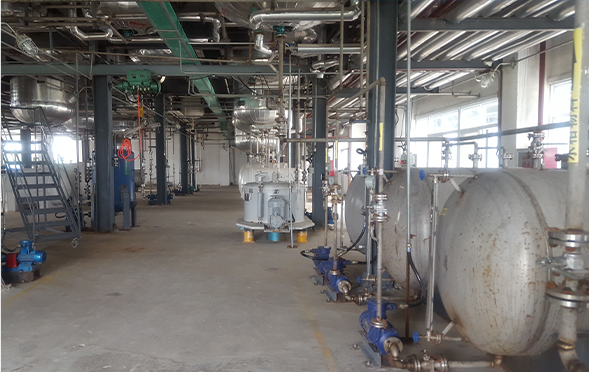
Manufacturing Facilities
Professional Export Experience
to Global Customers
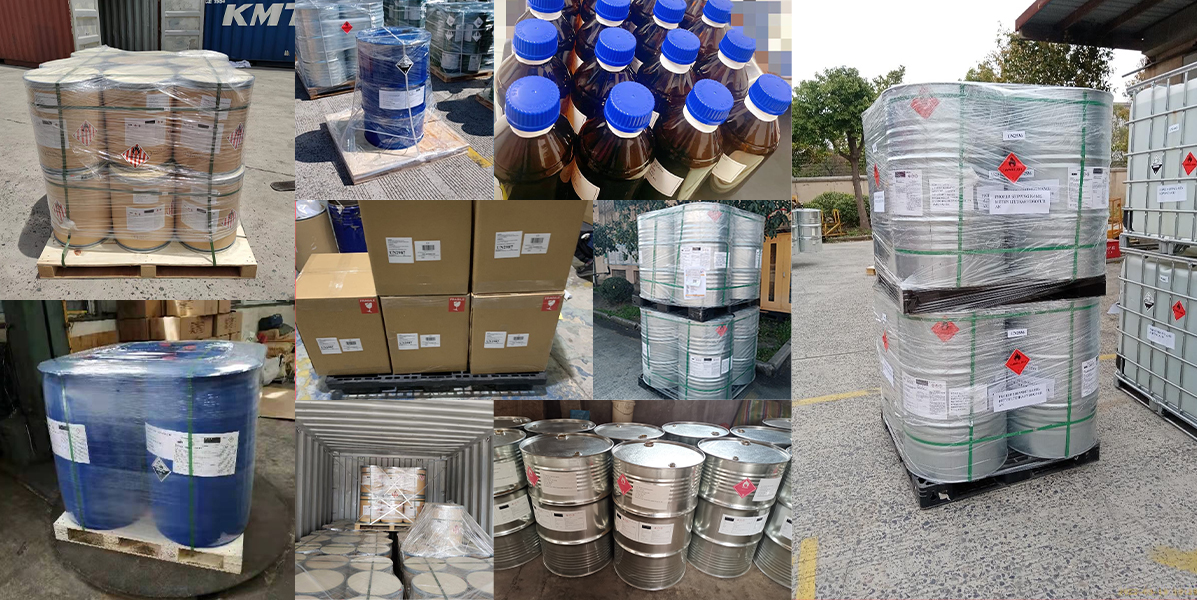
1. 20 years of R&D, manufacturing and sales experience, serving customers in 60 countries and regions around the world;
2. Own R&D laboratory, pilot platform and large-scale production workshop, which can meet the audit requirements of global customers;
3. We can satisfy customers' perfect transition from small scale lab requirements (gram level) to commercialization requirements (hundred tons level).
A: We don't have Minimum Order Quantity, exact quantity should be provided before quotation for us to calculate the exact cost.
A: We don't provide free samples due to lots of request and expensive international courier's cost, we can deduct the sample charge after commercial order placed.
A: Our payment terms: Small or sample order: T/T IN ADVANCE. Commercial order: First order should be by T/T IN ADVANCE or L/C at sight, and following orders T/T 30~90days is acceptable subject to approval of credit application.