
Custom Manufacturing, Project Outsourcing, your Trusted Partner from China
Di(adamantan-1-yl)(benzyl)phosphine (CAS: 395116-70-8) is a sophisticated organophosphorus compound that has carved a significant niche in the field of modern chemistry, particularly in catalysis and organic synthesis. Its unique structural features, combining the bulkiness of adamantyl groups with the versatility of a benzyl substituent, render it an invaluable synthesis material intermediate for researchers and industrial chemists alike. Understanding its properties and applications is key for anyone looking to buy or utilize this advanced chemical.
At its core, Di(adamantan-1-yl)(benzyl)phosphine functions primarily as a ligand for transition metal catalysts. Ligands are molecules that bind to the central metal atom, influencing its electronic and steric environment, and thereby controlling its reactivity and selectivity. The substantial steric bulk of the adamantyl groups in this phosphine is particularly effective at modulating the coordination sphere around the metal center, often leading to enhanced selectivity and catalyst stability in challenging reactions.
The applications of this phosphine are diverse. It plays a critical role in palladium-catalyzed cross-coupling reactions, such as the Sonogashira coupling, which is fundamental for creating carbon-carbon bonds – a vital step in the synthesis of many pharmaceuticals and complex organic molecules. Its ability to stabilize low-valent palladium species and promote efficient catalytic turnover makes it a preferred choice when seeking to buy reagents for such transformations.
Beyond Sonogashira coupling, Di(adamantan-1-yl)(benzyl)phosphine has also found utility in other catalytic systems. It is employed in ruthenium-catalyzed amination reactions, offering an effective route to synthesize amine derivatives. Furthermore, its participation in rhodium-catalyzed hydroformylation reactions contributes to the efficient production of aldehydes, which are key intermediates in the petrochemical and fine chemical industries. This broad applicability highlights its value as a versatile synthesis material intermediate.
For professionals in research and development or production, sourcing Di(adamantan-1-yl)(benzyl)phosphine requires attention to quality and reliability. As a manufacturer, ensuring a product with a minimum purity of 97% is standard practice to meet the demanding requirements of these applications. When looking to buy this specialty chemical, partnering with experienced suppliers, particularly those in established manufacturing hubs like China, can provide access to high-quality materials at competitive prices, along with essential technical support and reliable delivery.
In essence, Di(adamantan-1-yl)(benzyl)phosphine represents a powerful tool for chemists aiming to push the boundaries of synthesis and catalysis. Its scientific merit is evident in its broad range of applications, and its availability through dedicated manufacturers ensures that its potential can be fully realized across various industries.
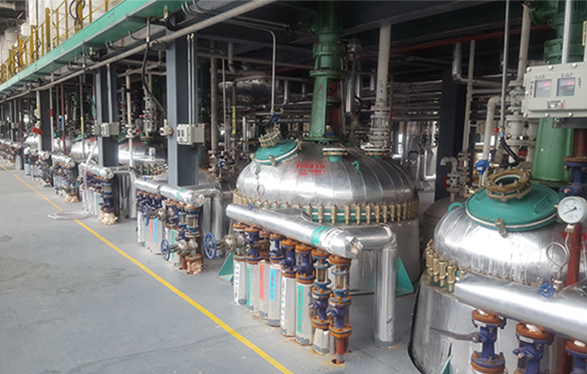
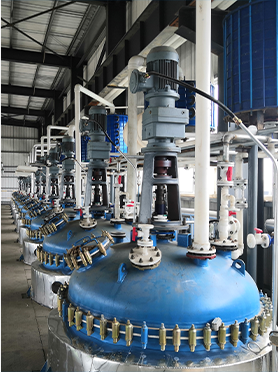
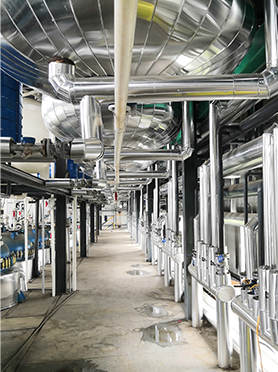
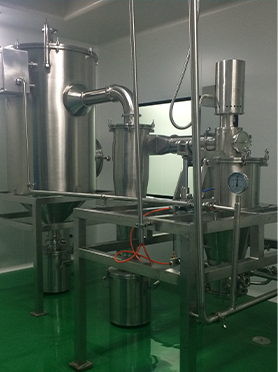
Manufacturing Facilities
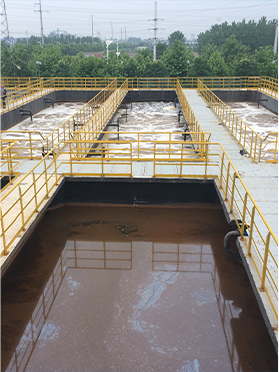
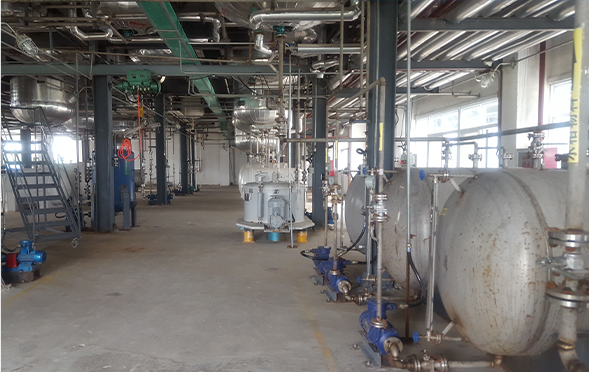
Professional Export Experience
to Global Customers
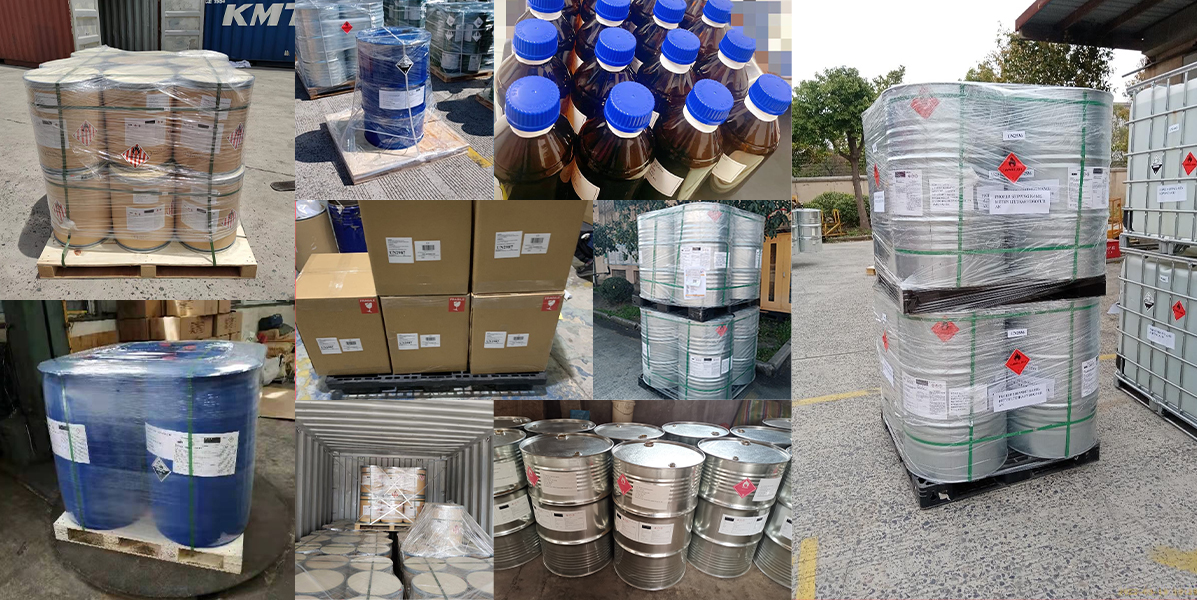
1. 20 years of R&D, manufacturing and sales experience, serving customers in 60 countries and regions around the world;
2. Own R&D laboratory, pilot platform and large-scale production workshop, which can meet the audit requirements of global customers;
3. We can satisfy customers' perfect transition from small scale lab requirements (gram level) to commercialization requirements (hundred tons level).
A: We don't have Minimum Order Quantity, exact quantity should be provided before quotation for us to calculate the exact cost.
A: We don't provide free samples due to lots of request and expensive international courier's cost, we can deduct the sample charge after commercial order placed.
A: Our payment terms: Small or sample order: T/T IN ADVANCE. Commercial order: First order should be by T/T IN ADVANCE or L/C at sight, and following orders T/T 30~90days is acceptable subject to approval of credit application.