
Custom Manufacturing, Project Outsourcing, your Trusted Partner from China
The production of polyurethane (PU) foams is a complex process, heavily reliant on precise chemical reactions catalyzed by specialized compounds. Among these, tertiary amine catalysts like N,N-Dimethylcyclohexylamine (DMCHA), identified by CAS 98-94-2, play an indispensable role. Understanding the scientific principles behind DMCHA's catalytic action is crucial for formulators aiming to optimize PU foam performance. As a leading chemical supplier, NINGBO INNO PHARMCHEM CO.,LTD. provides high-quality DMCHA essential for these advanced applications.
At its core, DMCHA functions as a Lewis base. In the context of polyurethane chemistry, it primarily catalyzes the reaction between isocyanates and polyols, commonly referred to as the 'gelling' reaction. This reaction forms the urethane linkages that build the polymer network of the foam. The tertiary amine structure of DMCHA allows it to form hydrogen bonds with the hydroxyl groups of the polyol, activating them and making them more reactive towards the electrophilic isocyanate groups.
Furthermore, DMCHA also influences the 'blowing' reaction, which is the reaction between isocyanates and water, producing carbon dioxide gas that creates the foam's cellular structure. While DMCHA is known more for its gelling catalysis, its influence on the blowing reaction is also significant, helping to balance the overall foam expansion and cure profile. This balanced catalysis is key to achieving desired foam densities, cell structures, and physical properties, especially in rigid foam applications like insulation panels and refrigeration units.
The effectiveness of DMCHA as a catalyst is attributed to its molecular structure, which provides a good balance of reactivity and selectivity. Its low viscosity and good solubility in polyol blends facilitate easy incorporation into PU formulations. As a manufacturer and supplier, NINGBO INNO PHARMCHEM CO.,LTD. ensures that the DMCHA provided meets rigorous purity standards (≥99%), which is critical for predictable and efficient catalysis.
Procurement managers and R&D scientists often search for terms like 'DMCHA catalyst mechanism,' 'polyurethane foam chemistry,' or 'amine catalyst for rigid foam' to gain deeper insights. Accessing reliable technical data and understanding how DMCHA interacts with other components in a PU system—such as blowing agents, surfactants, and other catalysts (like organometallic compounds)—allows for fine-tuning formulations.
In essence, the catalytic prowess of N,N-Dimethylcyclohexylamine stems from its precise molecular design and its ability to facilitate key reactions in polyurethane formation. By sourcing high-quality DMCHA from experienced manufacturers in China, industries can harness its scientific advantages to create superior polyurethane products. The consistent availability of this critical chemical from trusted suppliers ensures continued innovation and efficiency in the sector.
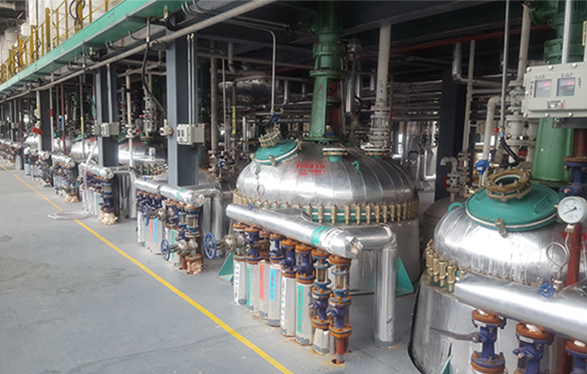
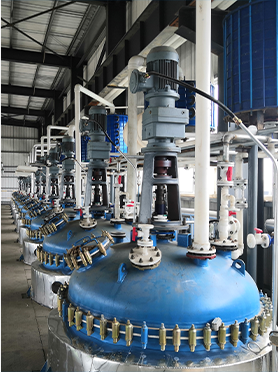
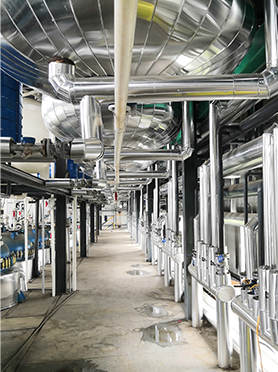
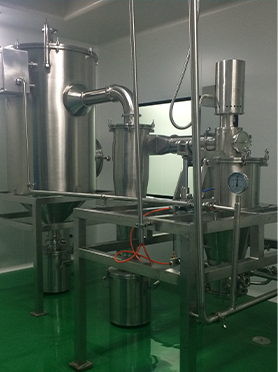
Manufacturing Facilities
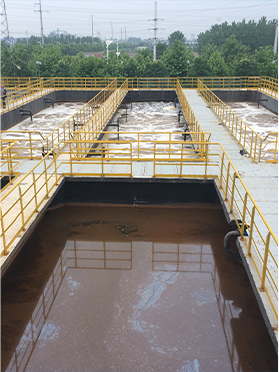
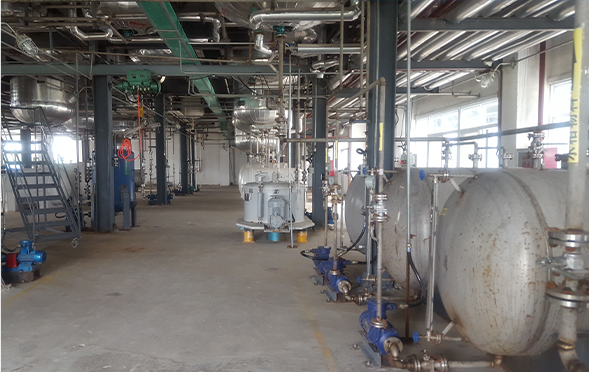
Professional Export Experience
to Global Customers
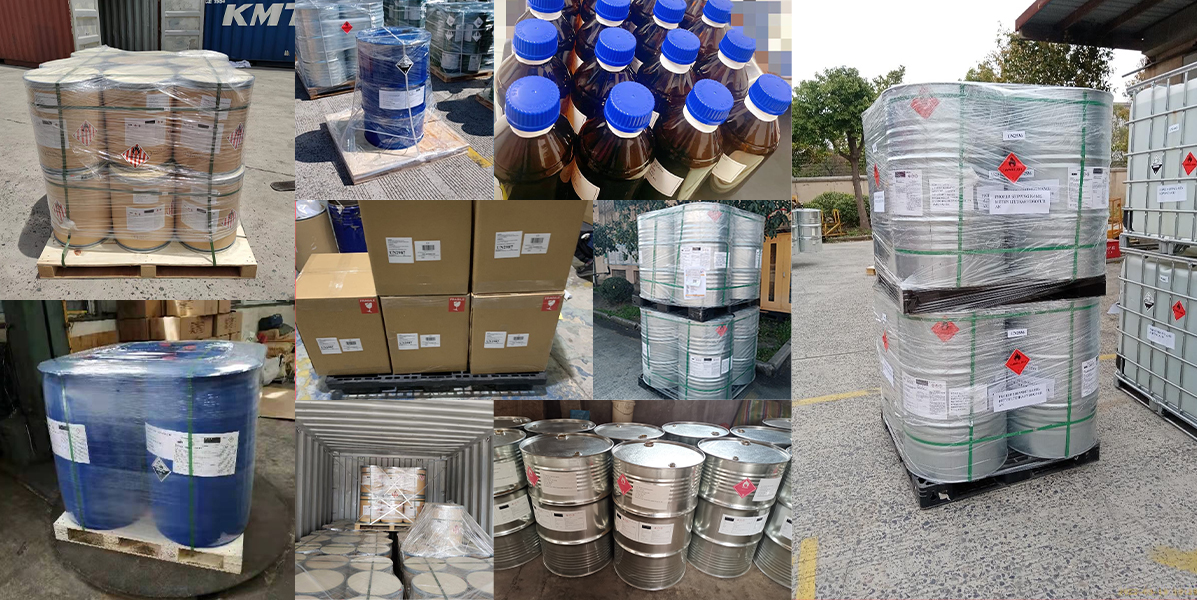
1. 20 years of R&D, manufacturing and sales experience, serving customers in 60 countries and regions around the world;
2. Own R&D laboratory, pilot platform and large-scale production workshop, which can meet the audit requirements of global customers;
3. We can satisfy customers' perfect transition from small scale lab requirements (gram level) to commercialization requirements (hundred tons level).
A: We don't have Minimum Order Quantity, exact quantity should be provided before quotation for us to calculate the exact cost.
A: We don't provide free samples due to lots of request and expensive international courier's cost, we can deduct the sample charge after commercial order placed.
A: Our payment terms: Small or sample order: T/T IN ADVANCE. Commercial order: First order should be by T/T IN ADVANCE or L/C at sight, and following orders T/T 30~90days is acceptable subject to approval of credit application.