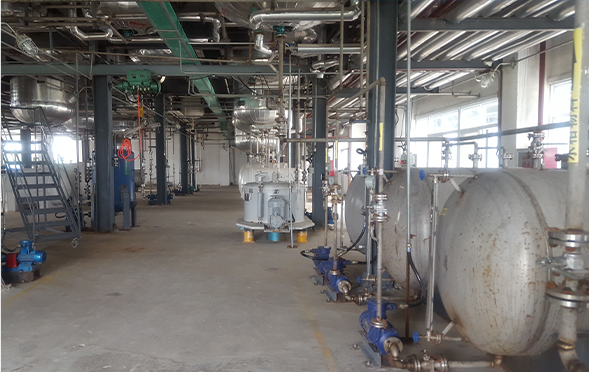
20 YEARS OF PROFESSIONAL & DEDICATED SERVICE TO GLOBAL CUSTOMERS

Custom Manufacturing, Project Outsourcing, your Trusted Partner from China

The Science Behind Flocculation: How Polyacrylamide Works

Flocculation is a fundamental process in chemical engineering, particularly vital for solid-liquid separation in a vast array of industrial applications, from water treatment and mining to papermaking and oil recovery. At the heart of many efficient flocculation systems lies polyacrylamide (PAM) and its derivatives. Understanding the science behind how these polymers work is key to optimizing their application. NINGBO INNO PHARMCHEM CO.,LTD. provides insights into the mechanisms that make PAM such an effective flocculant.

What is Flocculation?

Flocculation is a process where fine suspended particles in a liquid, which are too small to settle by gravity alone, are aggregated into larger, heavier masses called flocs. These flocs can then be easily removed from the liquid through sedimentation, filtration, or flotation. This aggregation is typically achieved by adding a chemical agent, a flocculant or coagulant, that neutralizes the repulsive forces between particles and binds them together.

Polyacrylamide's Role: Bridging and Charge Neutralization

Polyacrylamide, a synthetic linear polymer, functions primarily through two key mechanisms:

  • Bridging Flocculation: This is the dominant mechanism for nonionic and some ionic PAMs. PAM polymers have very long molecular chains. When added to a suspension, these long chains can adsorb onto the surface of multiple particles simultaneously. By forming a 'bridge' between these particles, the polymer chains effectively pull them together, creating larger agglomerates. The higher the molecular weight of the PAM, the longer its chains, and the more effectively it can bridge particles.
  • Charge Neutralization: Anionic (APAM) and Cationic (CPAM) polyacrylamides also play a crucial role through charge neutralization. Most suspended particles in water carry an electrostatic charge (often negative, due to surface-adsorbed ions or functional groups).
    • Anionic PAM (APAM): APAM has negatively charged functional groups along its polymer backbone. When introduced into a suspension of positively charged particles, the negative charges on APAM neutralize the positive charges on the particles, reducing electrostatic repulsion and allowing them to aggregate.
    • Cationic PAM (CPAM): Conversely, CPAM possesses positively charged functional groups. It is highly effective in neutralizing negatively charged particles, which are very common in industrial wastewater and slurries (e.g., organic matter, clays, certain mineral fines). The strong electrostatic attraction between the positively charged CPAM and negatively charged particles leads to rapid destabilization and floc formation. This mechanism is particularly potent and is why CPAM is often the preferred choice for sludge dewatering and coal washing applications.
  • Sweep Flocculation: In some cases, particularly when using inorganic coagulants in conjunction with polymers, a 'sweep floc' mechanism can occur. The coagulant forms gelatinous precipitates (like metal hydroxides), and as these precipitate particles settle, they physically enmesh and entrap smaller suspended particles, carrying them out of suspension. Polymers can enhance this process by stabilizing these precipitates and further bridging them.

Factors Influencing PAM Efficacy:

  • Molecular Weight: Higher molecular weight generally leads to more effective bridging flocculation.
  • Charge Density: For ionic PAMs, the degree of charge (charge density) is crucial for effective neutralization of opposing charges. The optimal charge density depends on the specific nature of the contaminants in the water.
  • Concentration: The dosage of PAM is critical. Too little may result in incomplete flocculation, while too much can lead to restabilization of particles or bridging issues.
  • pH and Water Chemistry: The ionic charge of PAM can be affected by pH. For instance, the cationic charge in CPAM is typically stable across a wide pH range, but understanding the water's native chemistry is important.

Expert Guidance from NINGBO INNO PHARMCHEM CO.,LTD.

Understanding these scientific principles allows us to provide tailored solutions. As a leading manufacturer and supplier of polyacrylamide, we offer a range of APAM, CPAM, and NPAM products with varying molecular weights and charge densities. Our technical team can guide you in selecting the most appropriate PAM for your specific application, ensuring optimal flocculation performance and cost-effectiveness. Whether you need to buy polyacrylamide for water clarification, sludge dewatering, or mineral processing, we are your trusted partner. Engage with us to explore our offerings and leverage the power of polymer science in your operations.

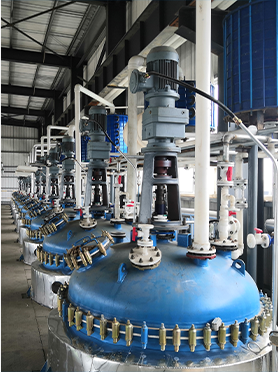
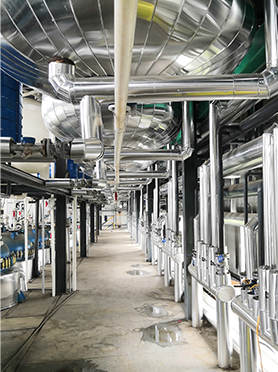
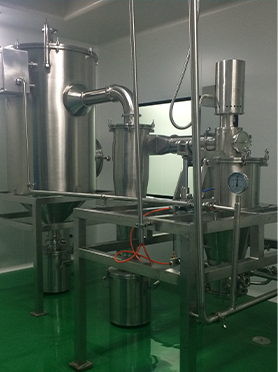
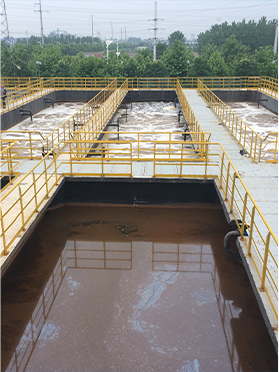
Manufacturing Facilities
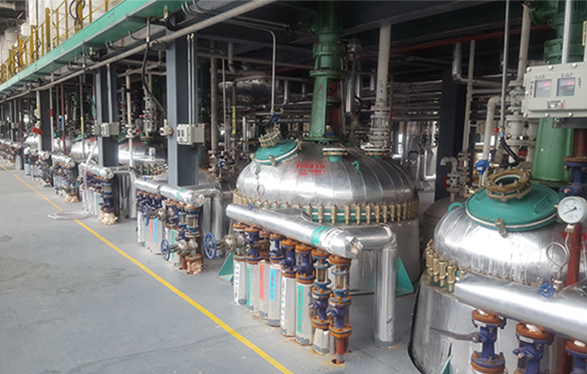
NINGBO INNO PHARMCHEM CO.,LTD. was established in 2007. It is committed to the R&D, production and sales of raw materials, pharmaceutical intermediates and fine chemicals. We striving to create a high-efficiency and high-quality integrated chemical service platform to better serve domestic and foreign customers.

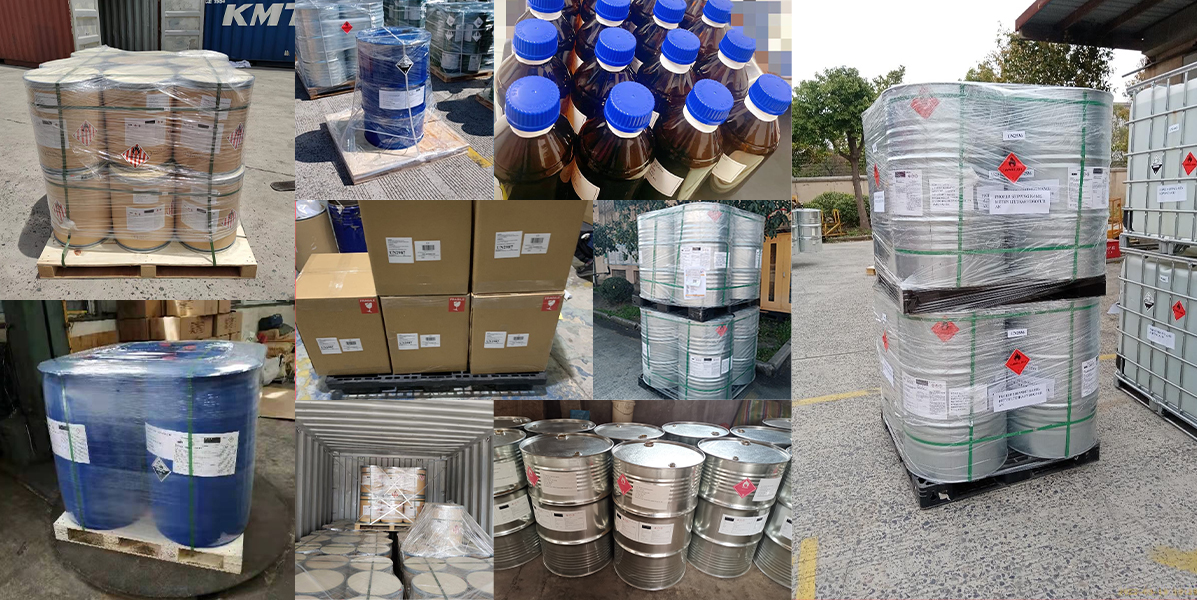
Professional Export Experience

to Global Customers
WHY CHOSE US?

1. 20 years of R&D, manufacturing and sales experience, serving customers in 60 countries and regions around the world;

2. Own R&D laboratory, pilot platform and large-scale production workshop, which can meet the audit requirements of global customers;

3. We can satisfy customers' perfect transition from small scale lab requirements (gram level) to commercialization requirements (hundred tons level).

FAQ

  • A: We don't have Minimum Order Quantity, exact quantity should be provided before quotation for us to calculate the exact cost.

  • A: We don't provide free samples due to lots of request and expensive international courier's cost, we can deduct the sample charge after commercial order placed.

  • A: Our payment terms: Small or sample order: T/T IN ADVANCE. Commercial order: First order should be by T/T IN ADVANCE or L/C at sight, and following orders T/T 30~90days is acceptable subject to approval of credit application.


CONTACT US
Should you need to contact us; you may call during regular business hours, Monday through Friday, 8am – 6 pm.
NINGBO INNO PHARMCHEM CO.,LTD.
Address: No.163 Ruiqing Rd.,Ningbo 315000 China
Phone: 86-574-87319282
Fax: 86-574-27912196
SEND US AN EMAIL

NAME*

EMAIL*

COMPANY

COUNTRY*

MESSAGE*

Previous: Navigating the Market: Sourcing High-Quality Polyacrylamide from China

Next: Cost-Effective Chemical Solutions: Buying Polyacrylamide in Bulk from China

All Rights Reserved