
Custom Manufacturing, Project Outsourcing, your Trusted Partner from China
For R&D scientists and product developers, a deep understanding of the chemical structure and properties of ingredients like Hydroxypropyl Cellulose (HPC) is fundamental to innovation. As a manufacturer specializing in cellulose derivatives, we are pleased to share insights into the science behind HPC, explaining its versatility and efficacy across various demanding applications.
Hydroxypropyl Cellulose (HPC) is a non-ionic, water-soluble cellulose ether. It is derived from cellulose through a process involving etherification with propylene oxide. The key characteristic that distinguishes HPC is the presence of hydroxypropyl groups (-OCH₂CH(OH)CH₃) along the cellulose backbone. This modification disrupts the crystalline structure of cellulose, rendering it soluble in water and many organic solvents. The degree of substitution (DS) and molar substitution (MS)—which refer to the average number of hydroxypropyl groups per anhydroglucose unit—influence its solubility and other properties. These structural variations allow HPC to exhibit a unique combination of hydrophilic and hydrophobic characteristics.
A fascinating property of HPC is its thermosensitive behavior, specifically its Lower Critical Solution Temperature (LCST). Typically around 45°C, this means HPC is soluble in water at temperatures below 45°C but becomes insoluble and precipitates out of solution as the temperature increases above this point. This unique characteristic is leveraged in applications like thermal gelation, where solutions can be formulated to gel upon heating. Understanding this LCST is crucial for R&D scientists when designing formulations that involve temperature fluctuations.
The diverse applications of HPC are directly attributable to its scientifically understood properties:
At NINGBO INNO PHARMCHEM CO.,LTD., we pride ourselves on being more than just a supplier; we are a partner to R&D scientists. Our expertise in manufacturing HPC allows us to offer insights into its scientific applications and to provide the high-quality materials necessary for rigorous research and development. We understand the critical need for reliable data and consistent product performance in scientific endeavors.
We encourage R&D professionals to reach out to us to discuss specific formulation challenges and to learn more about our range of Hydroxypropyl Cellulose products. Let us support your innovative research with our scientifically sound materials.
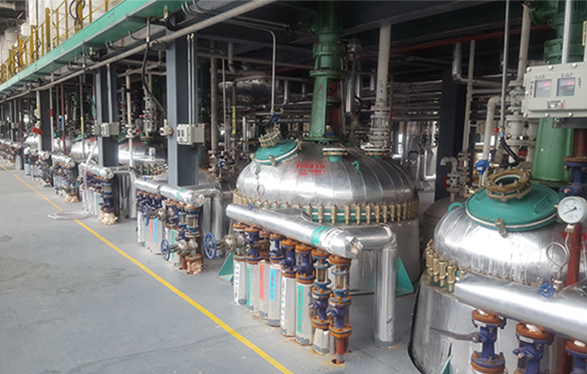
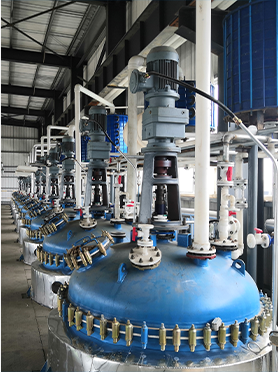
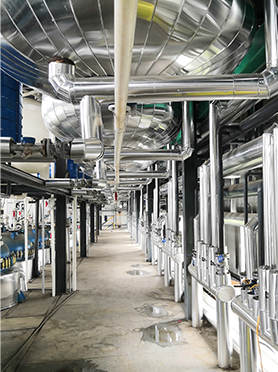
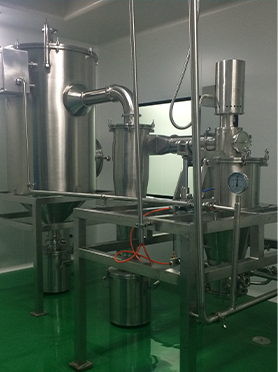
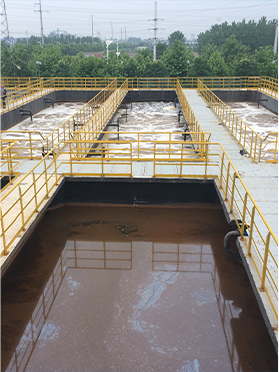
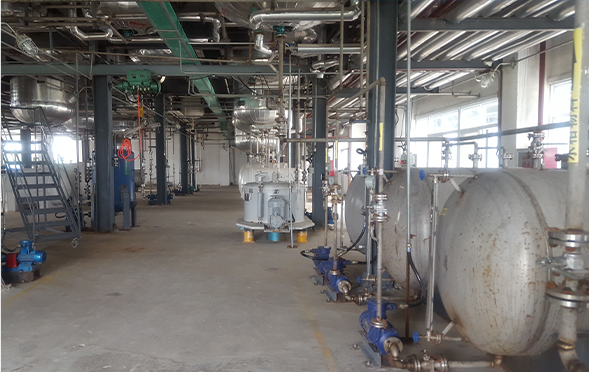
Manufacturing Facilities
Professional Export Experience
to Global Customers
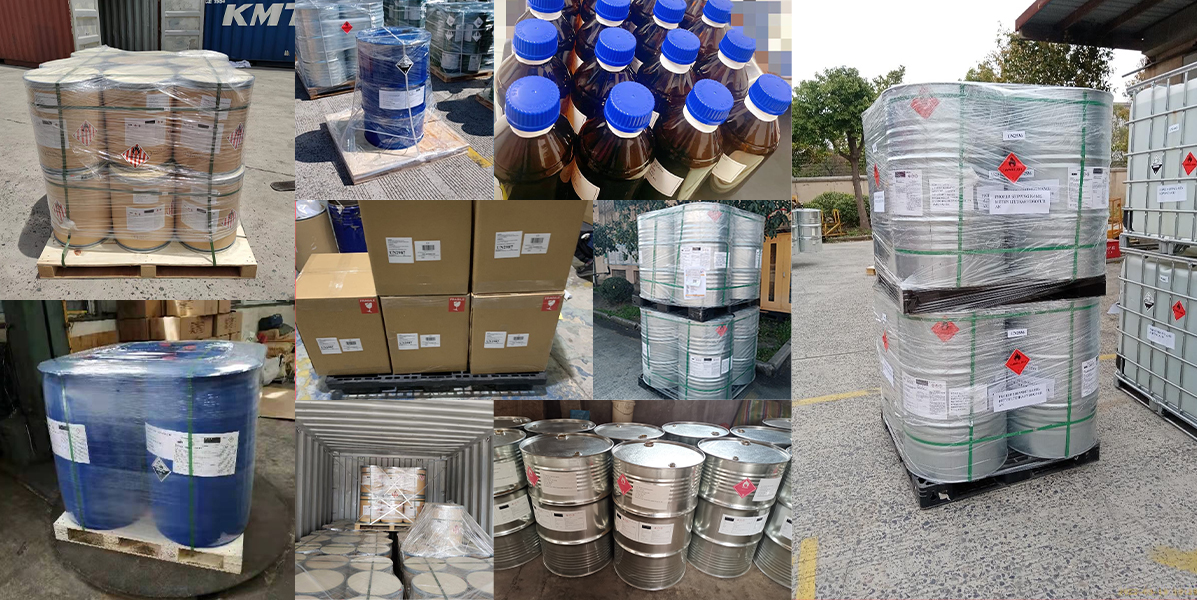
1. 20 years of R&D, manufacturing and sales experience, serving customers in 60 countries and regions around the world;
2. Own R&D laboratory, pilot platform and large-scale production workshop, which can meet the audit requirements of global customers;
3. We can satisfy customers' perfect transition from small scale lab requirements (gram level) to commercialization requirements (hundred tons level).
A: We don't have Minimum Order Quantity, exact quantity should be provided before quotation for us to calculate the exact cost.
A: We don't provide free samples due to lots of request and expensive international courier's cost, we can deduct the sample charge after commercial order placed.
A: Our payment terms: Small or sample order: T/T IN ADVANCE. Commercial order: First order should be by T/T IN ADVANCE or L/C at sight, and following orders T/T 30~90days is acceptable subject to approval of credit application.