
Custom Manufacturing, Project Outsourcing, your Trusted Partner from China
Hydroxypropyl Methylcellulose (HPMC) is a marvel of chemical engineering, a cellulose derivative that has found indispensable applications across a multitude of industries. From construction to pharmaceuticals, its unique properties stem from its carefully modified molecular structure. As a leading HPMC supplier, we believe in sharing the scientific understanding behind this versatile polymer. Let's explore the science that makes HPMC so effective and widely sought after.
Molecular Structure and Derivation
HPMC is synthesized from natural cellulose, a polysaccharide that forms the structural component of plant cell walls. The process involves treating cellulose with alkali and then etherifying it with methyl chloride and propylene oxide. This chemical modification introduces methoxy (-OCH3) and hydroxypropyl (-OCH2CH(OH)CH3) groups onto the cellulose backbone. These ether groups are crucial, as they alter the inherent properties of cellulose, making HPMC water-soluble and imparting its characteristic functionalities.
The degree of substitution (DS) of methoxy groups and the molar substitution (MS) of hydroxypropyl groups can be varied during manufacturing. These variations directly influence HPMC's physical properties, such as viscosity, thermal gelation temperature, and solubility. A reputable HPMC manufacturer can fine-tune these parameters to create grades tailored for specific applications.
Key Functional Properties Explained
The scientific basis for HPMC's utility lies in its versatile functional properties:
Diverse Industrial Applications Driven by Science
The understanding of these scientific principles allows HPMC to be applied effectively across diverse sectors:
When seeking to buy HPMC, understanding the science behind its properties ensures you select the grade that perfectly matches your application's requirements. Partnering with a knowledgeable HPMC supplier, particularly a reputable HPMC manufacturer in China, can provide you with the quality products and technical insights needed to leverage the full potential of this remarkable polymer.
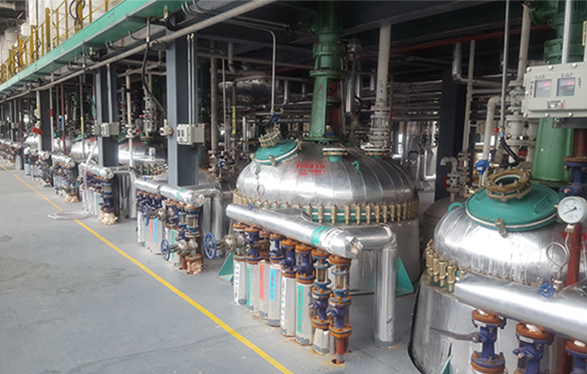
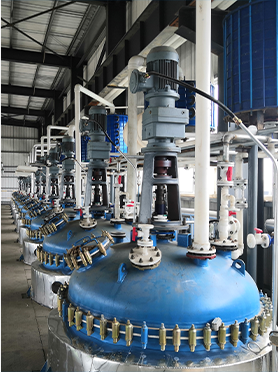
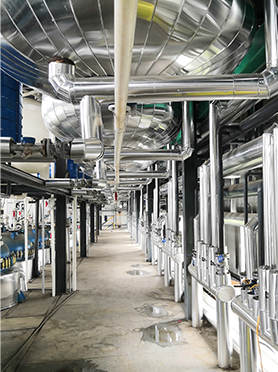
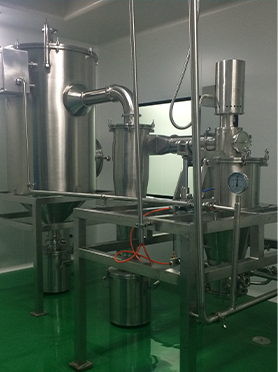
Manufacturing Facilities
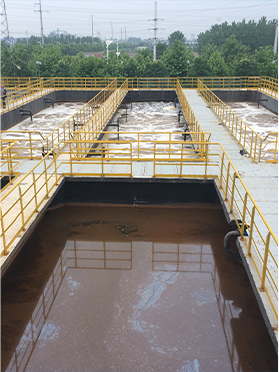
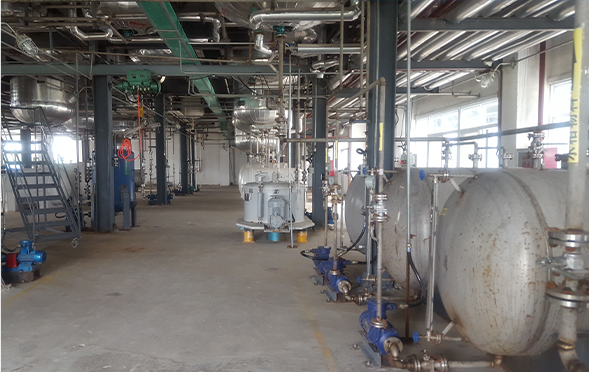
Professional Export Experience
to Global Customers
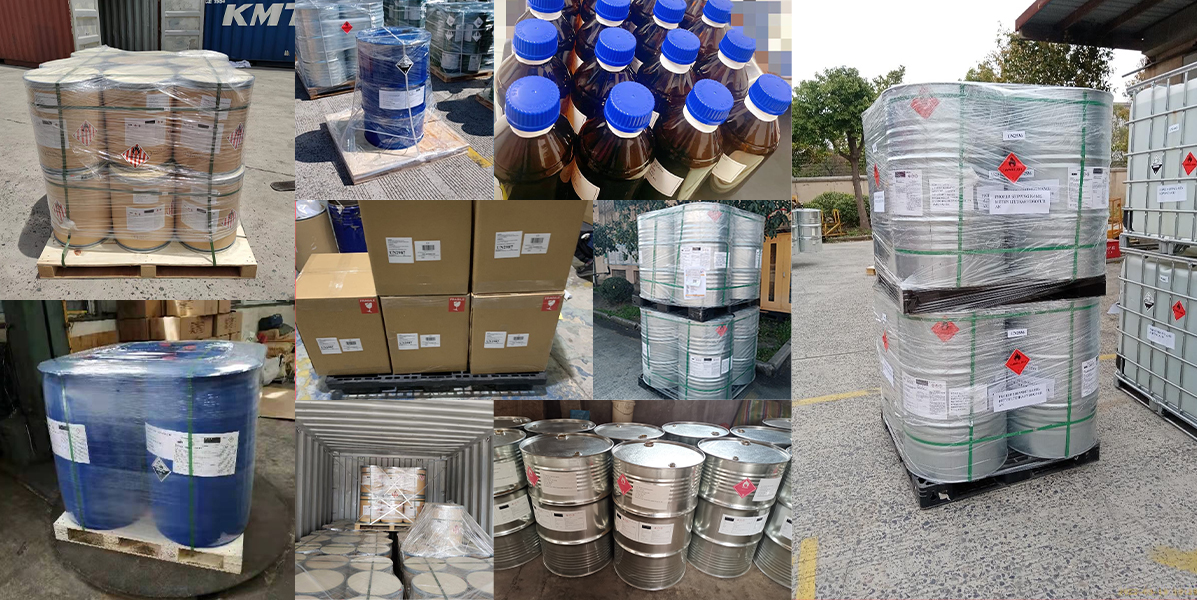
1. 20 years of R&D, manufacturing and sales experience, serving customers in 60 countries and regions around the world;
2. Own R&D laboratory, pilot platform and large-scale production workshop, which can meet the audit requirements of global customers;
3. We can satisfy customers' perfect transition from small scale lab requirements (gram level) to commercialization requirements (hundred tons level).
A: We don't have Minimum Order Quantity, exact quantity should be provided before quotation for us to calculate the exact cost.
A: We don't provide free samples due to lots of request and expensive international courier's cost, we can deduct the sample charge after commercial order placed.
A: Our payment terms: Small or sample order: T/T IN ADVANCE. Commercial order: First order should be by T/T IN ADVANCE or L/C at sight, and following orders T/T 30~90days is acceptable subject to approval of credit application.