20 YEARS OF PROFESSIONAL & DEDICATED SERVICE TO GLOBAL CUSTOMERS

Custom Manufacturing, Project Outsourcing, your Trusted Partner from China

The Science Behind N-(Triethoxysilylpropyl)urea: A Coupling Agent Deep Dive

In the realm of materials science and industrial manufacturing, the ability to chemically link disparate materials is fundamental to creating high-performance products. Silane coupling agents are pivotal in this regard, and N-(Triethoxysilylpropyl)urea is a prime example of a highly effective and versatile compound. As a specialized chemical supplier, understanding the intricate science behind its functionality is key to appreciating its value. We delve into the chemistry of N-(Triethoxysilylpropyl)urea, explaining why it's a preferred choice for applications demanding enhanced adhesion, durability, and compatibility.

Understanding Silane Coupling Agent Chemistry

At its core, a silane coupling agent is a molecule possessing at least two different reactive functional groups. Typically, one group reacts with an inorganic substrate (like glass or metal oxides), and the other group reacts or interacts with an organic polymer matrix. This dual functionality allows the silane to act as a bridge, creating a strong, covalent bond at the interface between the inorganic and organic phases. This bonding significantly improves the overall properties of composite materials, coatings, adhesives, and sealants.

The Molecular Architecture of N-(Triethoxysilylpropyl)urea

N-(Triethoxysilylpropyl)urea (CAS No. 23779-32-0) is a prime example of a well-designed silane coupling agent. Its structure comprises three key components:

  • Triethoxysilyl Terminus: This is the inorganic-reactive part. The three ethoxy groups attached to the silicon atom are hydrolyzable. In the presence of water, they undergo hydrolysis to form silanol groups (-Si-OH). These silanol groups are highly reactive and can readily condense with hydroxyl groups present on the surface of inorganic substrates or with other silanol groups, forming stable siloxane (Si-O-Si) bonds. The rate of hydrolysis of ethoxy groups is moderate, providing good shelf stability and controlled reactivity during application.
  • Urea Functionality: The terminal urea group (-NH-CO-NH₂) is the organic-reactive part. This polar group exhibits strong hydrogen-bonding capabilities and can interact favorably with various organic polymer matrices, including epoxies, polyurethanes, acrylics, and even some polyesters. This interaction helps to entangle the silane with the polymer chains, ensuring good compatibility and effective stress transfer.
  • Propyl Spacer: A three-carbon propyl chain (-CH₂CH₂CH₂-) connects the triethoxysilyl group to the urea group. This spacer is crucial as it provides flexibility, preventing steric hindrance and allowing both functional groups to orient themselves optimally for reaction with their respective substrates. The length of the spacer is often critical for maximizing coupling efficiency.

Mechanism of Action

When used in an application, N-(Triethoxysilylpropyl)urea undergoes a two-step process:

  1. Hydrolysis and Condensation: In the presence of moisture, the ethoxy groups hydrolyze, releasing ethanol and forming reactive silanol groups. These silanol groups then condense with hydroxyl groups on the inorganic surface, forming stable Si-O-surface bonds. Self-condensation between silanol groups also occurs, creating a cross-linked siloxane network on the surface.
  2. Adhesion Promotion: The urea end of the silane then interacts with the organic polymer matrix. This interaction creates a strong physical or chemical linkage between the polymer and the inorganic filler/substrate, effectively coupling them together.

Why Choose N-(Triethoxysilylpropyl)urea?

  • Versatility: Its ability to bond with a wide range of inorganic materials and organic polymers makes it suitable for diverse applications.
  • Performance Enhancement: It demonstrably improves adhesion, mechanical strength, water resistance, and overall durability.
  • Reliable Supply: As a leading supplier from China, we ensure consistent quality and availability for your manufacturing needs.

For those looking to buy N-(Triethoxysilylpropyl)urea and leverage its advanced chemical properties, contacting us for a quote or sample is the first step towards unlocking superior material performance. Our expertise in specialty chemicals ensures you receive a product that meets your exact specifications.

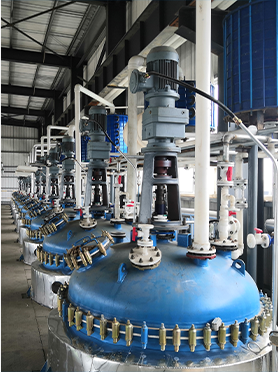
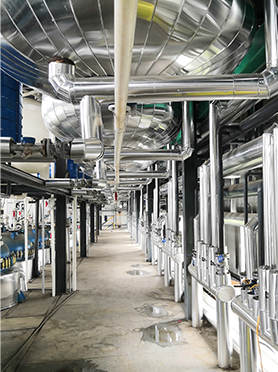
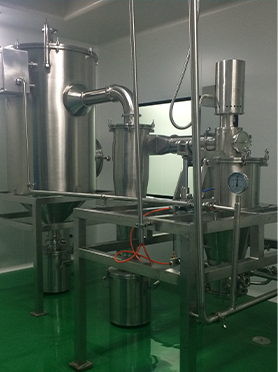
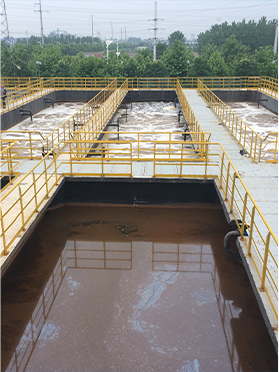
Manufacturing Facilities
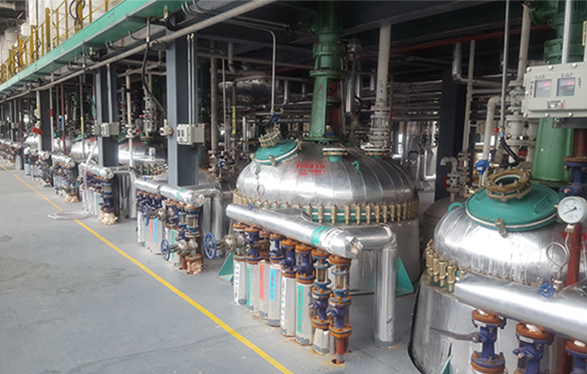
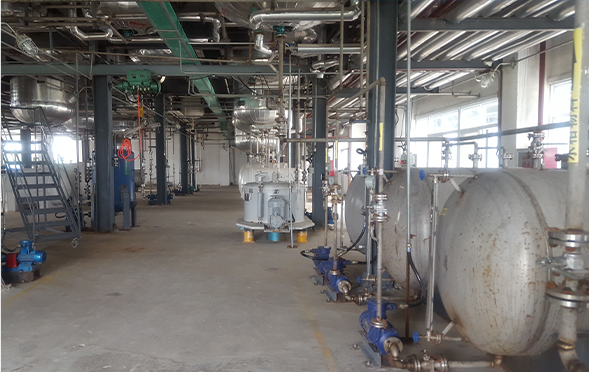
NINGBO INNO PHARMCHEM CO.,LTD. was established in 2007. It is committed to the R&D, production and sales of raw materials, pharmaceutical intermediates and fine chemicals. We striving to create a high-efficiency and high-quality integrated chemical service platform to better serve domestic and foreign customers.

Professional Export Experience

to Global Customers
WHY CHOSE US?

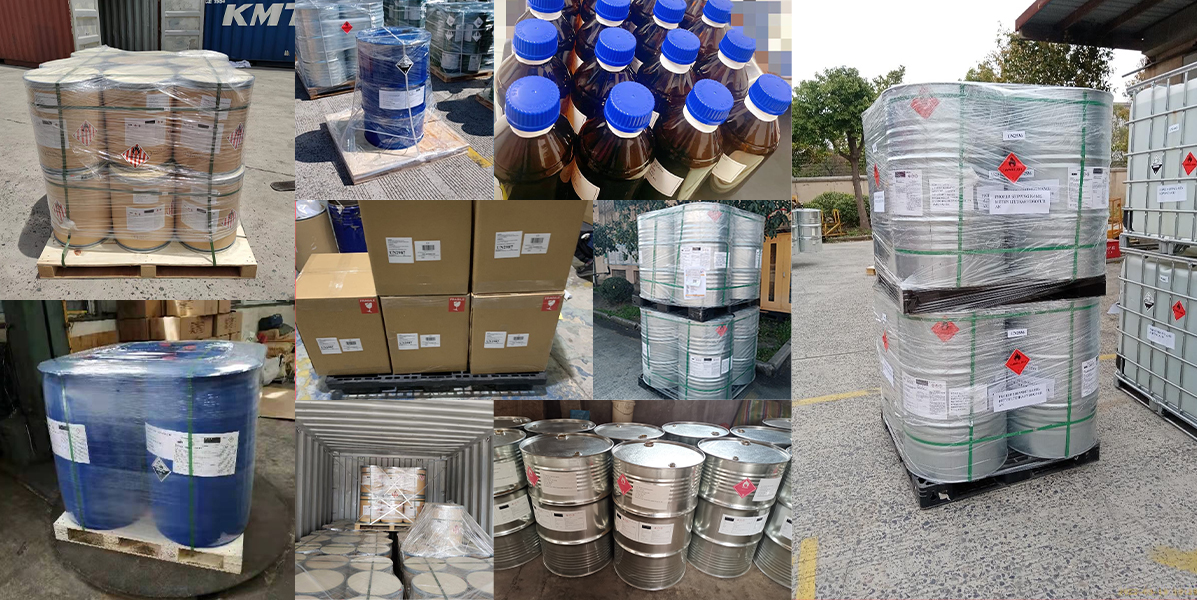
1. 20 years of R&D, manufacturing and sales experience, serving customers in 60 countries and regions around the world;

2. Own R&D laboratory, pilot platform and large-scale production workshop, which can meet the audit requirements of global customers;

3. We can satisfy customers' perfect transition from small scale lab requirements (gram level) to commercialization requirements (hundred tons level).

FAQ

  • A: We don't have Minimum Order Quantity, exact quantity should be provided before quotation for us to calculate the exact cost.

  • A: We don't provide free samples due to lots of request and expensive international courier's cost, we can deduct the sample charge after commercial order placed.

  • A: Our payment terms: Small or sample order: T/T IN ADVANCE. Commercial order: First order should be by T/T IN ADVANCE or L/C at sight, and following orders T/T 30~90days is acceptable subject to approval of credit application.


CONTACT US
Should you need to contact us; you may call during regular business hours, Monday through Friday, 8am – 6 pm.
NINGBO INNO PHARMCHEM CO.,LTD.
Address: No.163 Ruiqing Rd.,Ningbo 315000 China
Phone: 86-574-87319282
Fax: 86-574-27912196
SEND US AN EMAIL

NAME*

EMAIL*

COMPANY

COUNTRY*

MESSAGE*

Previous: Improving Plastic and Rubber Properties with Silane Coupling Agents

Next: Sourcing N-(Triethoxysilylpropyl)urea: A Buyer's Guide from China

All Rights Reserved