
Custom Manufacturing, Project Outsourcing, your Trusted Partner from China
In the sophisticated world of fluorochemistry, Nonafluorobutyl Bromide (CAS 375-48-4) stands out as a critical and versatile intermediate. Its unique molecular structure, comprising a perfluorinated butyl chain and a bromine atom, is the source of its remarkable stability and specific reactivity, making it a sought-after compound for various industrial and research applications. Understanding how this molecule is synthesized and why it maintains its integrity under demanding conditions is key for chemists and engineers.
Synthesis of Nonafluorobutyl Bromide
The synthesis of perfluorinated compounds like Nonafluorobutyl Bromide typically involves specialized fluorination techniques. While specific proprietary methods may vary among manufacturers, common routes often leverage electrochemical fluorination (ECF) or direct fluorination using elemental fluorine (F2) or selective fluorinating agents. In ECF, a precursor molecule, such as a brominated butane derivative, is subjected to electrolysis in anhydrous hydrogen fluoride (HF). This process systematically replaces hydrogen atoms with fluorine atoms, ultimately yielding the perfluorinated product. Alternatively, direct fluorination can be employed, though it requires careful control due to the high reactivity of elemental fluorine. The aim is to achieve high yields of the target C4BrF9 structure while minimizing side reactions and impurities.
The Foundation of Stability: C-F Bonds
The exceptional stability of Nonafluorobutyl Bromide is primarily attributed to the strength of the carbon-fluorine (C-F) bonds. The C-F bond is one of the strongest covalent bonds in organic chemistry, with a typical bond energy around 485 kJ/mol. This high bond energy means that a significant amount of energy is required to break these bonds. Consequently, perfluorinated compounds exhibit:
The Role of the Bromine Atom
While the perfluorinated chain provides stability, the terminal bromine atom is the key to Nonafluorobutyl Bromide's utility as a synthetic intermediate. The C-Br bond is significantly weaker than the C-F bond, making it amenable to nucleophilic substitution, Grignard reagent formation, or radical reactions. This allows chemists to selectively functionalize the molecule, introducing the stable perfluorobutyl group into larger structures. This duality—a highly stable perfluorinated chain coupled with a reactive functional group—is what makes Nonafluorobutyl Bromide such a valuable commodity in fluorochemical synthesis for applications in pharmaceuticals, advanced materials, and agrochemicals.
For industries seeking reliable and high-performing fluorinated intermediates, understanding the synthesis and stability of Nonafluorobutyl Bromide underscores its critical role. Manufacturers offering this compound with high purity and consistent quality are essential partners for innovation in these demanding fields.
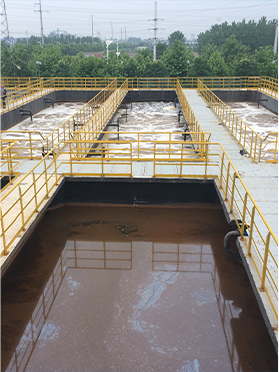
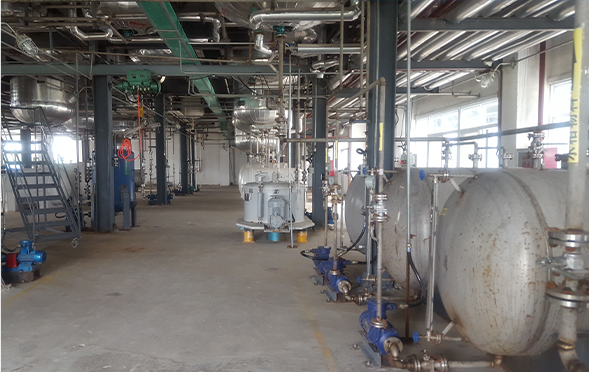
Manufacturing Facilities
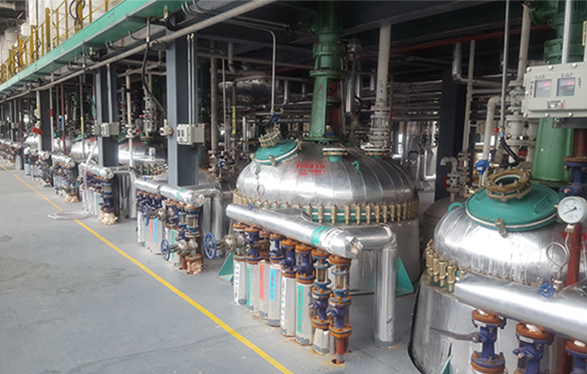
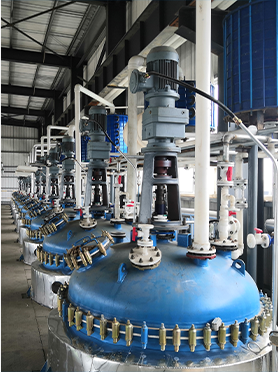
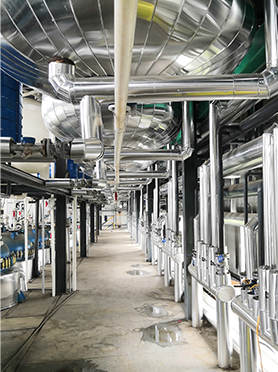
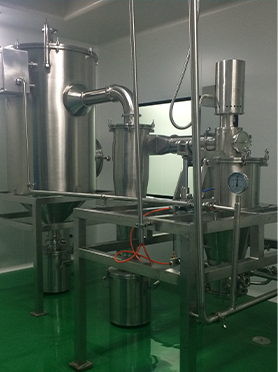
Professional Export Experience
to Global Customers
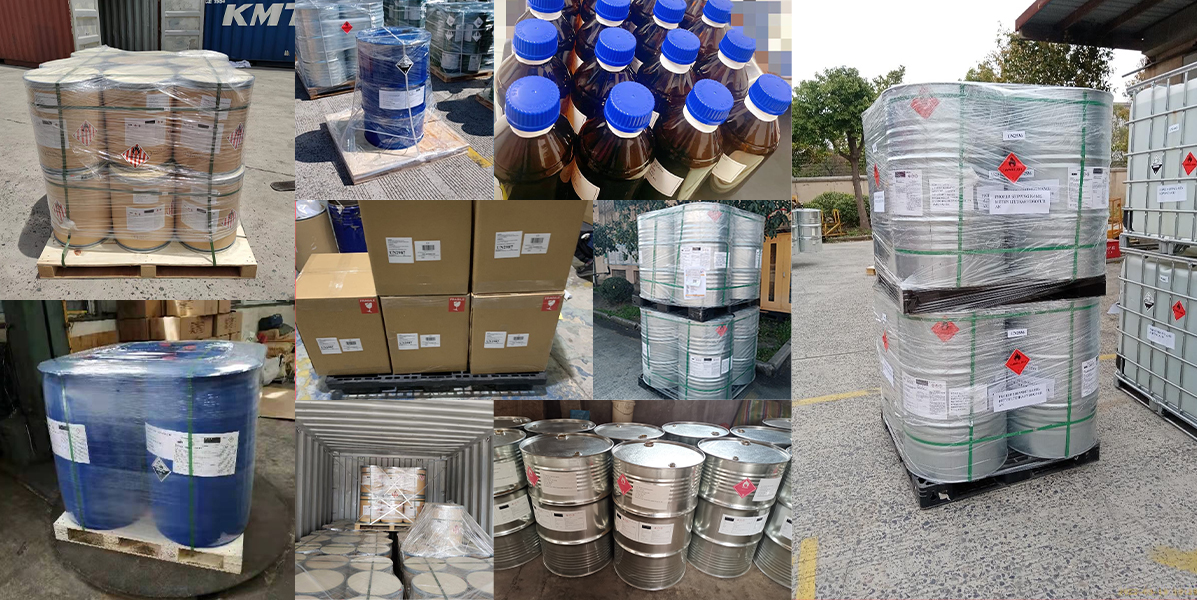
1. 20 years of R&D, manufacturing and sales experience, serving customers in 60 countries and regions around the world;
2. Own R&D laboratory, pilot platform and large-scale production workshop, which can meet the audit requirements of global customers;
3. We can satisfy customers' perfect transition from small scale lab requirements (gram level) to commercialization requirements (hundred tons level).
A: We don't have Minimum Order Quantity, exact quantity should be provided before quotation for us to calculate the exact cost.
A: We don't provide free samples due to lots of request and expensive international courier's cost, we can deduct the sample charge after commercial order placed.
A: Our payment terms: Small or sample order: T/T IN ADVANCE. Commercial order: First order should be by T/T IN ADVANCE or L/C at sight, and following orders T/T 30~90days is acceptable subject to approval of credit application.