
Custom Manufacturing, Project Outsourcing, your Trusted Partner from China
The dazzling displays that define our modern electronic devices – from smartphones to large-screen televisions – owe their brilliance to a sophisticated interplay of organic materials within Organic Light-Emitting Diodes (OLEDs). At the heart of this technology lies the efficient movement and recombination of charge carriers. A critical component facilitating this process is the Hole Transport Layer (HTL). Understanding the role and characteristics of HTL materials, such as 9,9'-Bis([1,1'-biphenyl]-4-yl)-3,3'-bi-9H-carbazole, is essential for anyone involved in OLED development and manufacturing.
What is the Hole Transport Layer (HTL)?
In an OLED structure, electrical current is passed through organic layers sandwiched between two electrodes. This current consists of two types of charge carriers: electrons and holes (the absence of an electron). The HTL is strategically placed between the anode and the emissive layer. Its primary function is to efficiently transport holes from the anode to the emissive layer where they can recombine with electrons to produce light. An effective HTL must possess several key properties:
9,9'-Bis([1,1'-biphenyl]-4-yl)-3,3'-bi-9H-carbazole as an HTL Material
The compound 9,9'-Bis([1,1'-biphenyl]-4-yl)-3,3'-bi-9H-carbazole (CAS 57102-51-9) is a notable example of a bicarbazole derivative that exhibits excellent characteristics for use in HTLs and as a host material in OLEDs. Its molecular structure, featuring extended aromatic systems, contributes to good hole mobility and suitable energy levels. Manufacturers often highlight its high purity (often >97%) as a critical factor for achieving optimal performance in OLED devices. When considering the purchase of such materials, buyers can seek out established manufacturers and suppliers, particularly from China, who specialize in high-purity electronic chemicals. The ability to buy these materials at competitive prices and with reliable supply chains is vital for commercial viability.
The Importance of Purity and Sourcing
The performance of an OLED device is incredibly sensitive to the purity of its constituent materials. Even trace impurities in an HTL material can act as traps for charge carriers, reducing mobility, increasing operating voltage, and significantly shortening the device's lifespan. Therefore, sourcing high-purity CAS 57102-51-9 from reputable chemical manufacturers is a non-negotiable step. Companies looking to buy these materials should prioritize suppliers who provide detailed analytical data, such as HPLC chromatograms, confirming the material's purity. Many suppliers offer bulk quantities and custom synthesis services, catering to the diverse needs of the OLED industry.
As OLED technology continues to advance, with applications ranging from flexible displays to lighting solutions, the demand for high-performance HTL materials will only increase. Understanding the science behind these materials and diligently sourcing them from reliable manufacturers will be key to driving innovation and bringing next-generation electronic products to market.
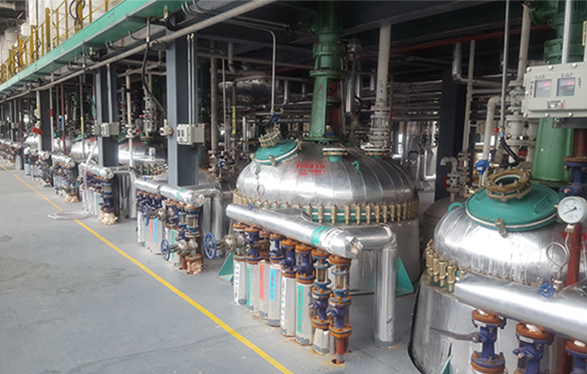
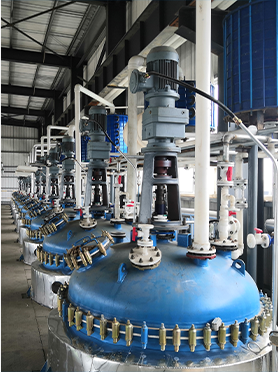
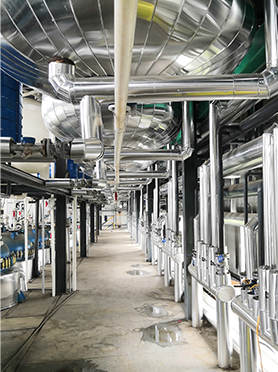
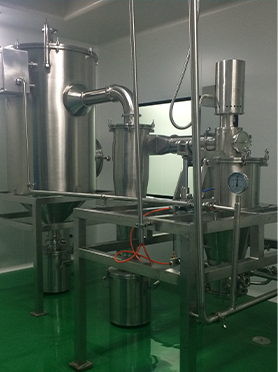
Manufacturing Facilities
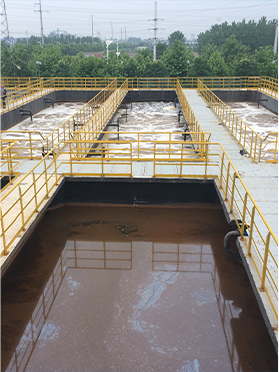
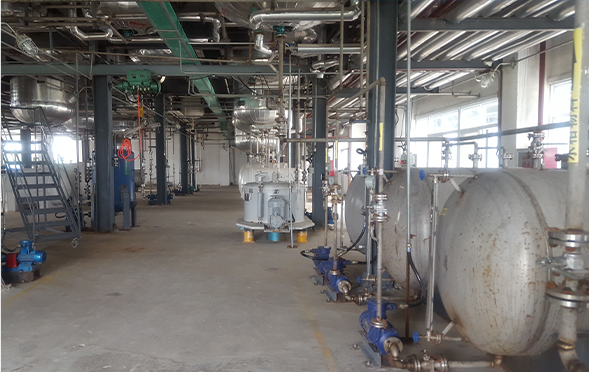
Professional Export Experience
to Global Customers
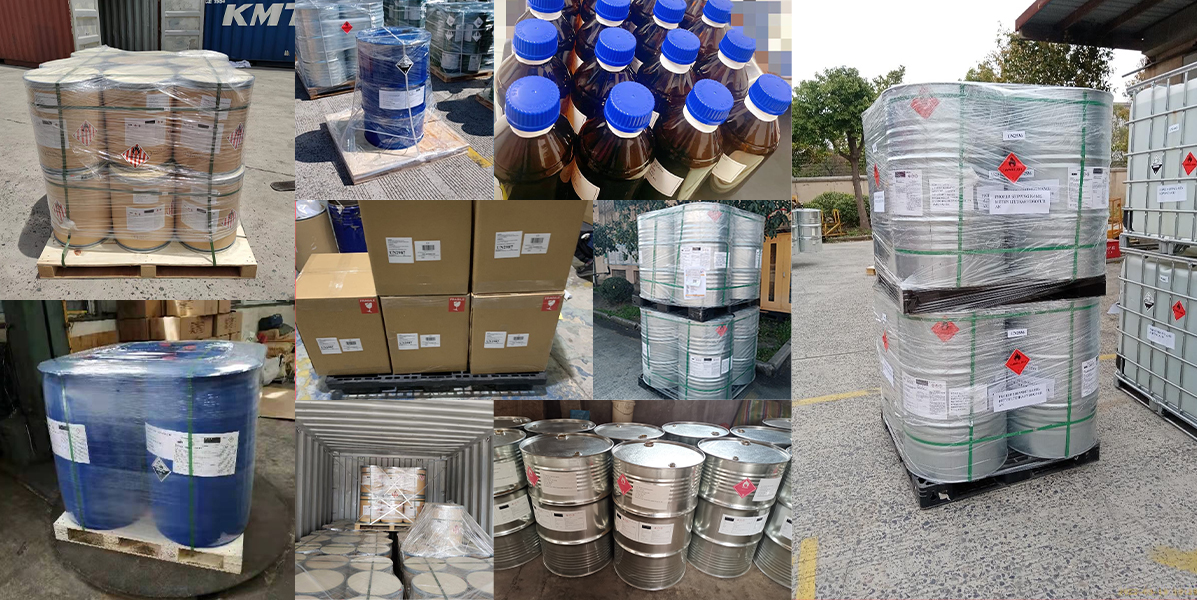
1. 20 years of R&D, manufacturing and sales experience, serving customers in 60 countries and regions around the world;
2. Own R&D laboratory, pilot platform and large-scale production workshop, which can meet the audit requirements of global customers;
3. We can satisfy customers' perfect transition from small scale lab requirements (gram level) to commercialization requirements (hundred tons level).
A: We don't have Minimum Order Quantity, exact quantity should be provided before quotation for us to calculate the exact cost.
A: We don't provide free samples due to lots of request and expensive international courier's cost, we can deduct the sample charge after commercial order placed.
A: Our payment terms: Small or sample order: T/T IN ADVANCE. Commercial order: First order should be by T/T IN ADVANCE or L/C at sight, and following orders T/T 30~90days is acceptable subject to approval of credit application.