
Custom Manufacturing, Project Outsourcing, your Trusted Partner from China
In the realm of advanced pharmaceuticals, understanding the underlying science is key to appreciating a drug's efficacy and potential. Ozanimod, a leading treatment for multiple sclerosis and ulcerative colitis, operates on a sophisticated mechanism involving sphingosine-1-phosphate (S1P) receptor modulation. This article breaks down the science behind this innovative therapy.
The sphingosine-1-phosphate (S1P) receptor modulator mechanism is central to Ozanimod's therapeutic action. S1P is a naturally occurring lipid molecule that plays a critical role in the immune system, particularly in the migration of lymphocytes – a type of white blood cell. These cells are crucial for immune surveillance but can also contribute to autoimmune diseases when they mistakenly attack the body's own tissues.
Ozanimod functions as a selective agonist for S1P receptors, primarily S1P1 and S1P5. By binding to these receptors on lymphocytes, Ozanimod triggers a process called receptor internalization and subsequent degradation. This effectively reduces the number of functional S1P receptors on the surface of these immune cells. The consequence is a significant decrease in the lymphocytes' ability to migrate from the lymphatic system into the bloodstream and then into target tissues like the brain (in MS) or the gut (in UC).
For individuals with multiple sclerosis, this targeted action is vital. It reduces the influx of autoreactive T lymphocytes into the central nervous system, thereby mitigating the inflammatory processes that lead to demyelination and nerve damage. This is a key aspect of ozanimod for multiple sclerosis treatment.
Similarly, in ulcerative colitis, Ozanimod's mechanism helps to curb the inflammatory cascade in the gut. By limiting the migration of inflammatory immune cells to the intestinal lining, it can reduce the symptoms of UC, such as pain, bleeding, and frequent bowel movements. This targeted approach offers an alternative to broader immunosuppressants or anti-inflammatory drugs.
The selectivity of Ozanimod for specific S1P receptors is a notable advancement. Unlike earlier, less selective S1P modulators, Ozanimod's targeted action is associated with a more favorable safety profile, particularly regarding cardiac effects. While potential ozanimod drug interactions and side effects like infections still require careful management and physician oversight, the precise mechanism contributes to its clinical utility.
In essence, the science behind Ozanimod is a testament to the power of targeted molecular therapy. By understanding and manipulating the intricate signaling pathways of the immune system, researchers have developed a drug that offers a more precise and effective way to manage complex autoimmune conditions, offering renewed hope for patients.
Manufacturing Facilities
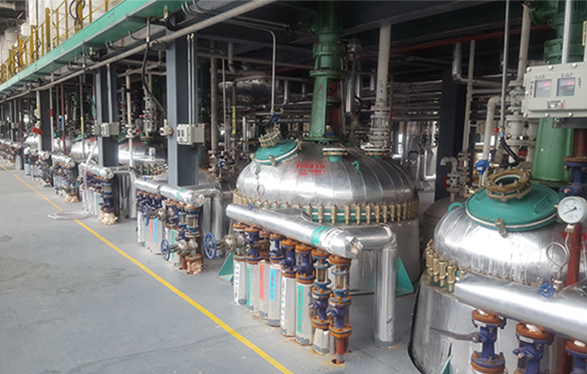


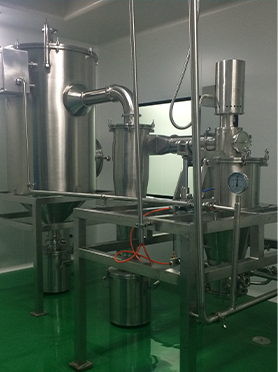

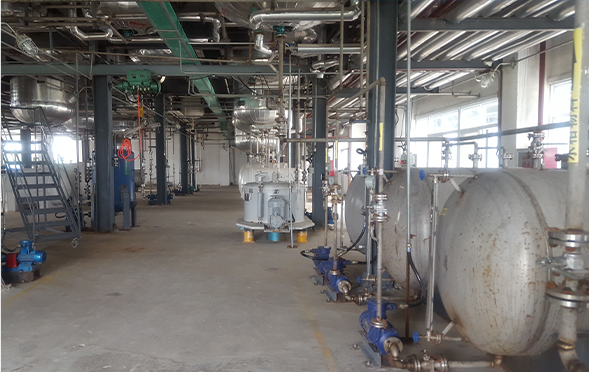
Professional Export Experience
to Global Customers
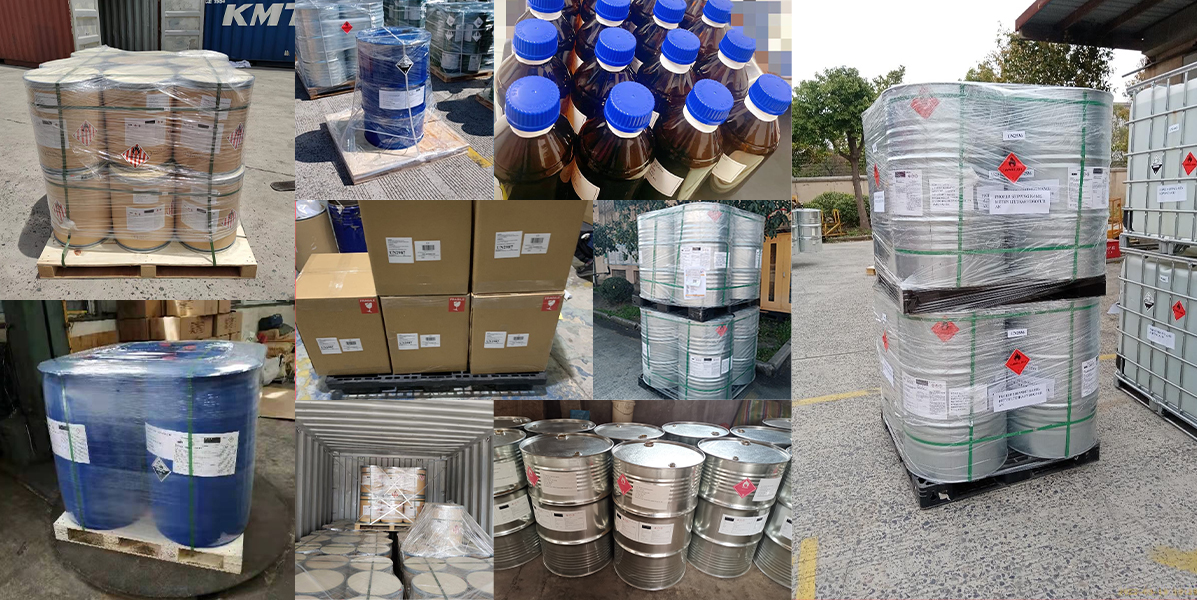
1. 20 years of R&D, manufacturing and sales experience, serving customers in 60 countries and regions around the world;
2. Own R&D laboratory, pilot platform and large-scale production workshop, which can meet the audit requirements of global customers;
3. We can satisfy customers' perfect transition from small scale lab requirements (gram level) to commercialization requirements (hundred tons level).
A: We don't have Minimum Order Quantity, exact quantity should be provided before quotation for us to calculate the exact cost.
A: We don't provide free samples due to lots of request and expensive international courier's cost, we can deduct the sample charge after commercial order placed.
A: Our payment terms: Small or sample order: T/T IN ADVANCE. Commercial order: First order should be by T/T IN ADVANCE or L/C at sight, and following orders T/T 30~90days is acceptable subject to approval of credit application.