
Custom Manufacturing, Project Outsourcing, your Trusted Partner from China
For R&D scientists and product formulators, a deep understanding of material science is fundamental to innovation. Polylactic Acid (PLA), a bio-based polymer, presents a fascinating case study in polymer chemistry, offering a unique set of properties derived from its renewable origins. Understanding its synthesis and characteristics is key to unlocking its full potential.
At its core, PLA is a thermoplastic polyester synthesized from lactic acid. Lactic acid, a chiral molecule, can exist in two enantiomeric forms: L-lactic acid and D-lactic acid. This chirality leads to different forms of PLA: Poly-L-Lactic Acid (PLLA) from L-lactic acid, Poly-D-Lactic Acid (PDLA) from D-lactic acid, and Poly-DL-Lactic Acid (PDLLA) from a mixture of both. The ratio of these stereoisomers significantly influences PLA's properties, such as crystallinity, melting point, and degradation rate. For instance, PLLA is semi-crystalline and possesses higher strength and a higher melting point, making it suitable for applications requiring long-term stability.
The synthesis of PLA typically involves two main routes: direct condensation of lactic acid and ring-opening polymerization of lactide (the cyclic dimer of lactic acid). Ring-opening polymerization, often catalyzed by metal complexes like tin ethylhexanoate, is generally preferred for producing high molecular weight PLA, which is crucial for many industrial applications. As a dedicated manufacturer, precise control over these synthesis parameters is vital to achieve the desired molecular weight and stereochemical composition.
The properties of PLA are highly dependent on its molecular structure. Key physical characteristics include a glass transition temperature (Tg) typically between 60-65°C and a melting point ranging from 150-180°C for crystalline forms. While PLA exhibits good mechanical strength and stiffness, it is also known for its brittleness and low impact resistance, with elongation at break often below 10%. However, these properties can be modified through techniques like annealing, adding nucleating agents, or creating polymer blends and composites.
The biodegradability of PLA is a significant advantage, though it requires specific conditions, typically industrial composting, to break down effectively. Its degradation occurs primarily through hydrolysis, cleaving the ester bonds in the polymer backbone. This controlled degradation makes it suitable for biomedical applications, where it can be resorbed by the body over time.
For researchers and formulators looking to buy high purity polylactic acid, understanding these scientific nuances is critical. Whether you are developing advanced medical devices, innovative 3D printing filaments, or sustainable packaging solutions, partnering with a knowledgeable supplier is essential. We provide detailed technical data sheets and support to help you select the optimal PLA grade for your specific research and development needs.
In summary, Polylactic Acid is a material with a rich scientific foundation, offering a blend of renewable sourcing, tunable properties, and biodegradability. By understanding its synthesis, stereochemistry, and mechanical characteristics, scientists and formulators can effectively leverage PLA for a wide range of advanced applications. Engaging with an expert Polylactic Acid supplier in China ensures access to high-quality materials that meet rigorous scientific standards.
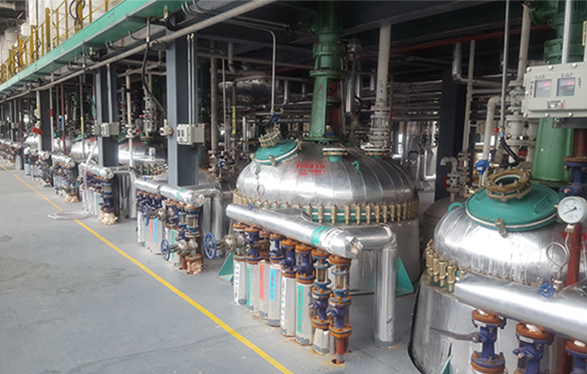
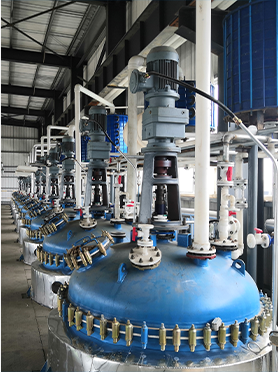
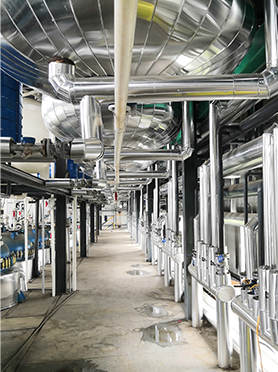
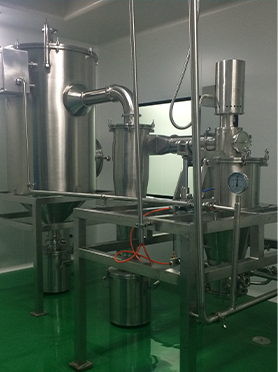
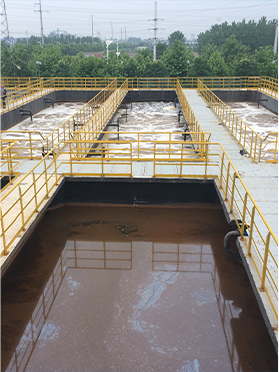
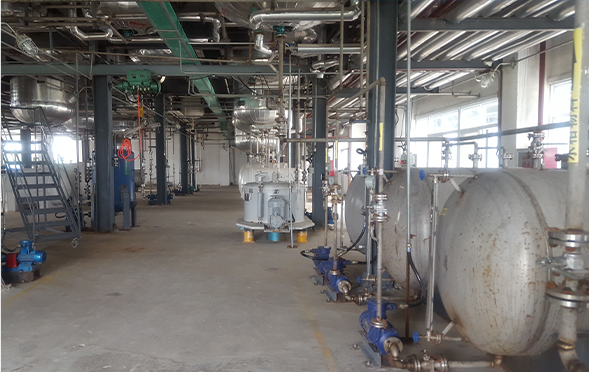
Manufacturing Facilities
Professional Export Experience
to Global Customers
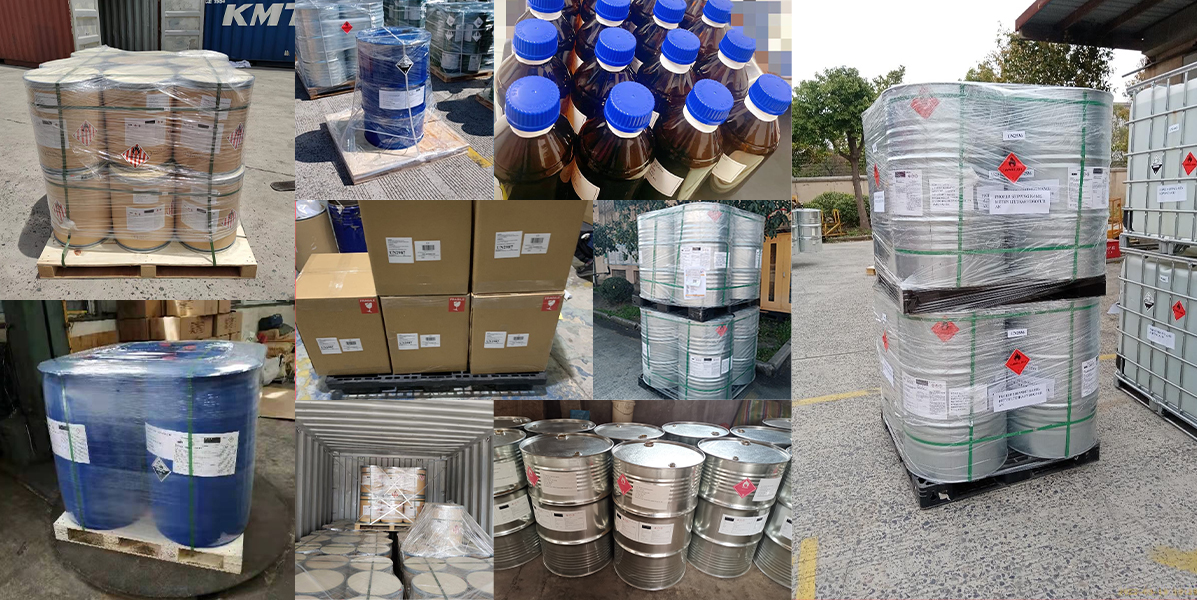
1. 20 years of R&D, manufacturing and sales experience, serving customers in 60 countries and regions around the world;
2. Own R&D laboratory, pilot platform and large-scale production workshop, which can meet the audit requirements of global customers;
3. We can satisfy customers' perfect transition from small scale lab requirements (gram level) to commercialization requirements (hundred tons level).
A: We don't have Minimum Order Quantity, exact quantity should be provided before quotation for us to calculate the exact cost.
A: We don't provide free samples due to lots of request and expensive international courier's cost, we can deduct the sample charge after commercial order placed.
A: Our payment terms: Small or sample order: T/T IN ADVANCE. Commercial order: First order should be by T/T IN ADVANCE or L/C at sight, and following orders T/T 30~90days is acceptable subject to approval of credit application.