
Custom Manufacturing, Project Outsourcing, your Trusted Partner from China
Potassium alginate, a hydrocolloid extracted from brown seaweed, is far more than just a thickening agent. Its scientific underpinnings reveal a complex polysaccharide with unique properties that enable its widespread use in food, pharmaceuticals, cosmetics, and beyond. Understanding the chemistry and physics of potassium alginate is key to appreciating its functional versatility and unlocking its full potential in product development.
At its core, potassium alginate is the potassium salt of alginic acid, a linear polymer composed of repeating units of β-D-mannuronic acid and α-L-guluronic acid. These uronic acid monomers are linked by glycosidic bonds, forming long chains that can arrange themselves in homopolymeric blocks (M-blocks or G-blocks) or heteropolymeric blocks (MG-blocks). The ratio and sequence of these blocks influence the physical properties of the alginate, particularly its gelling behavior and viscosity.
A defining characteristic of potassium alginate is its hydrophilic nature. The carboxylate groups along the polymer chain readily interact with water molecules, leading to hydration and the formation of viscous colloidal solutions. This high water-binding capacity is fundamental to its thickening properties. When dispersed in water, the long polymer chains uncoil and entangle, creating a three-dimensional network that resists flow, thus increasing viscosity.
The gelling ability of potassium alginate is perhaps its most scientifically intriguing property. In the presence of divalent cations, particularly calcium ions (Ca²⁺), the negatively charged carboxylate groups on adjacent alginate chains interact with the cations. This forms ionic cross-links between the polymer chains, creating a stable, gel-like matrix. This process, known as ionic gelation, occurs rapidly and without the need for heat, making potassium alginate ideal for applications involving heat-sensitive ingredients.
The specific scientific interactions also explain its utility in controlled drug release. The alginate gel matrix can entrap drug molecules, and the rate of release can be modulated by the cation concentration, pH, and the specific properties of the alginate itself (e.g., the M/G ratio). This controlled release mechanism is a direct result of the precise chemical interactions between the polymer, the cations, and the encapsulated substance.
In essence, the molecular structure and ionic properties of potassium alginate dictate its behavior in solution and in the presence of other ions. Whether it's forming a smooth sauce, creating intricate food spheres, delivering medication effectively, or hydrating the skin, the science behind potassium alginate provides a robust foundation for its diverse and valuable applications. As research continues, new scientific insights will undoubtedly unlock even more innovative uses for this remarkable natural ingredient.
Manufacturing Facilities
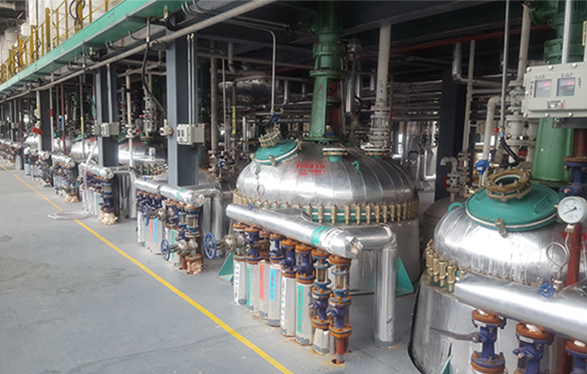
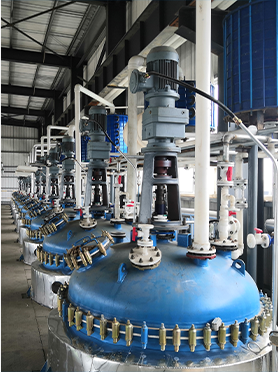
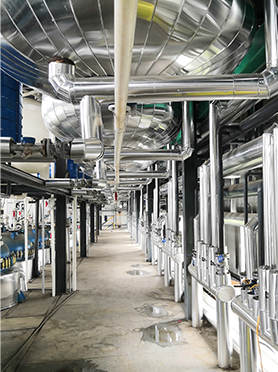
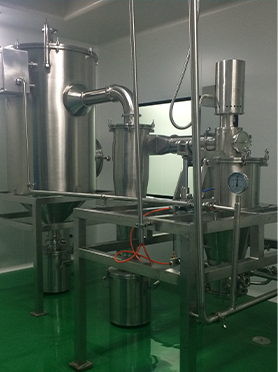
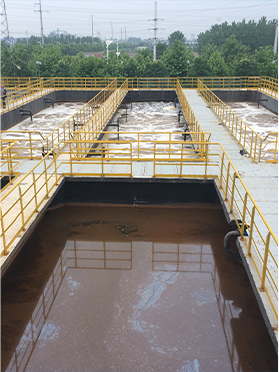
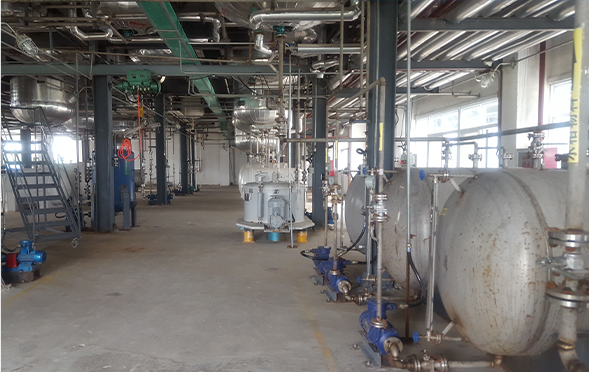
Professional Export Experience
to Global Customers
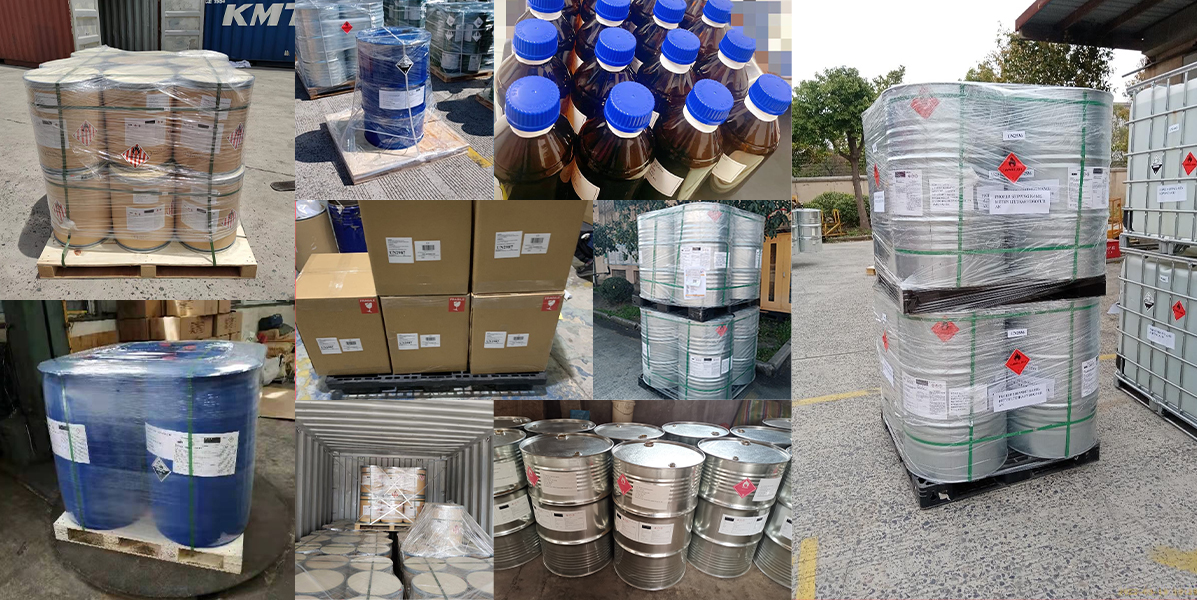
1. 20 years of R&D, manufacturing and sales experience, serving customers in 60 countries and regions around the world;
2. Own R&D laboratory, pilot platform and large-scale production workshop, which can meet the audit requirements of global customers;
3. We can satisfy customers' perfect transition from small scale lab requirements (gram level) to commercialization requirements (hundred tons level).
A: We don't have Minimum Order Quantity, exact quantity should be provided before quotation for us to calculate the exact cost.
A: We don't provide free samples due to lots of request and expensive international courier's cost, we can deduct the sample charge after commercial order placed.
A: Our payment terms: Small or sample order: T/T IN ADVANCE. Commercial order: First order should be by T/T IN ADVANCE or L/C at sight, and following orders T/T 30~90days is acceptable subject to approval of credit application.