
Custom Manufacturing, Project Outsourcing, your Trusted Partner from China
The printing industry has seen a significant transformation with the advent of UV-curable inks. These inks offer remarkable advantages over conventional solvent-based or water-based inks, including instant drying, vibrant color reproduction, exceptional durability, and reduced environmental impact. At the core of this innovation are UV photoinitiators, the unsung heroes that facilitate the rapid polymerization process upon UV light exposure.
UV printing inks are designed to cure almost instantaneously when passed under a UV lamp. This rapid curing allows for higher printing speeds, enables printing on a wider variety of substrates (including heat-sensitive materials), and prevents ink smudging or bleeding. Applications range from packaging and labels to commercial printing, signage, and even specialized industrial printing.
The chemistry behind UV inks involves a formulation of monomers, oligomers, pigments, additives, and crucially, photoinitiators. When UV light strikes the ink film, the photoinitiator absorbs photons and generates reactive species, typically free radicals. These free radicals then initiate a chain reaction that polymerizes the monomers and oligomers, instantly solidifying the ink and creating a durable, high-quality print.
1-Hydroxycyclohexyl Phenyl Ketone (CAS 947-19-3) is a prominent Type I photoinitiator widely used in UV printing inks. Its key strengths include high photoinitiating efficiency, good solubility in common ink components, and notably, its non-yellowing nature. This last attribute is especially important for achieving true colors and high contrast, making it ideal for white inks, pastels, and applications where color accuracy is critical. Manufacturers looking to buy this photoinitiator can rely on its performance for vibrant and long-lasting prints.
Other types of photoinitiators are also employed in UV ink formulations to meet specific needs:
Selecting the right photoinitiator is crucial for optimizing ink performance, print quality, and production efficiency. Factors to consider include the ink formulation, the UV lamp used, the substrate, and the desired print characteristics. For procurement managers, sourcing photoinitiators from reliable manufacturers and suppliers, especially those in China known for their competitive pricing and consistent quality, is a strategic advantage.
When evaluating the price of photoinitiators, it is important to consider the overall impact on the ink's performance and the efficiency of the printing process. High-quality 1-Hydroxycyclohexyl Phenyl Ketone, supplied by reputable manufacturers, offers a balance of cost-effectiveness and superior performance for a wide array of UV printing applications. As the printing industry continues to embrace UV curing technology for its speed and quality benefits, the role of advanced photoinitiators like 1-Hydroxycyclohexyl Phenyl Ketone will only grow in significance. Printing ink manufacturers are encouraged to explore how these essential chemical components can elevate their product offerings.
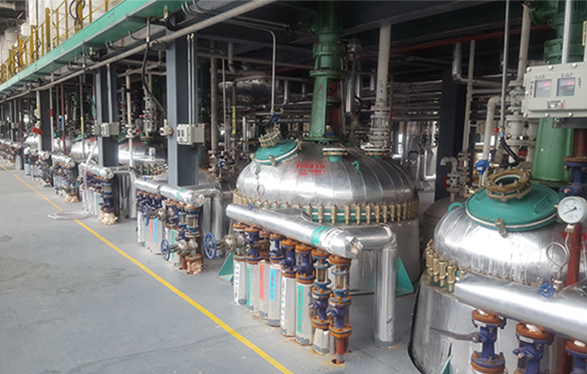
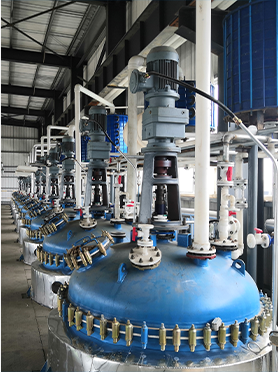
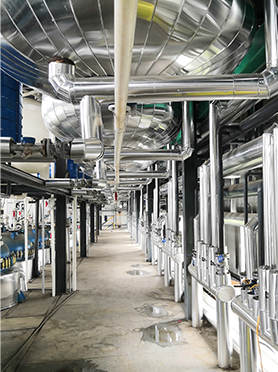
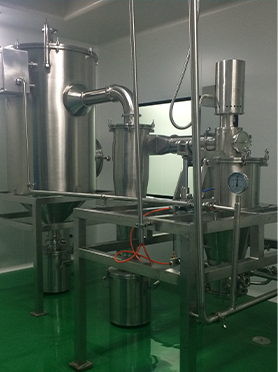
Manufacturing Facilities
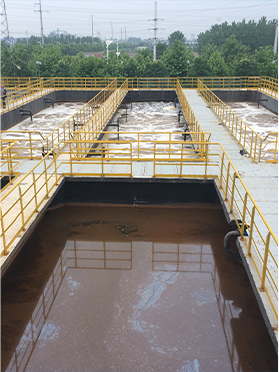
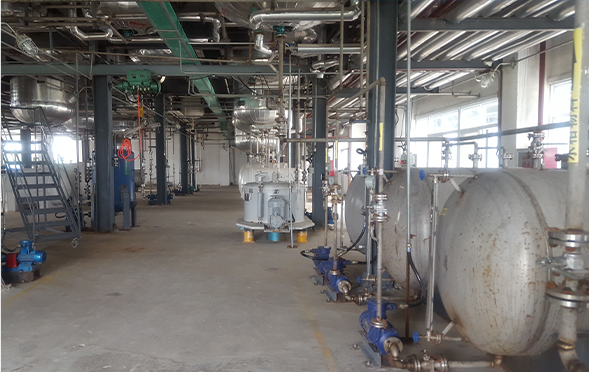
Professional Export Experience
to Global Customers
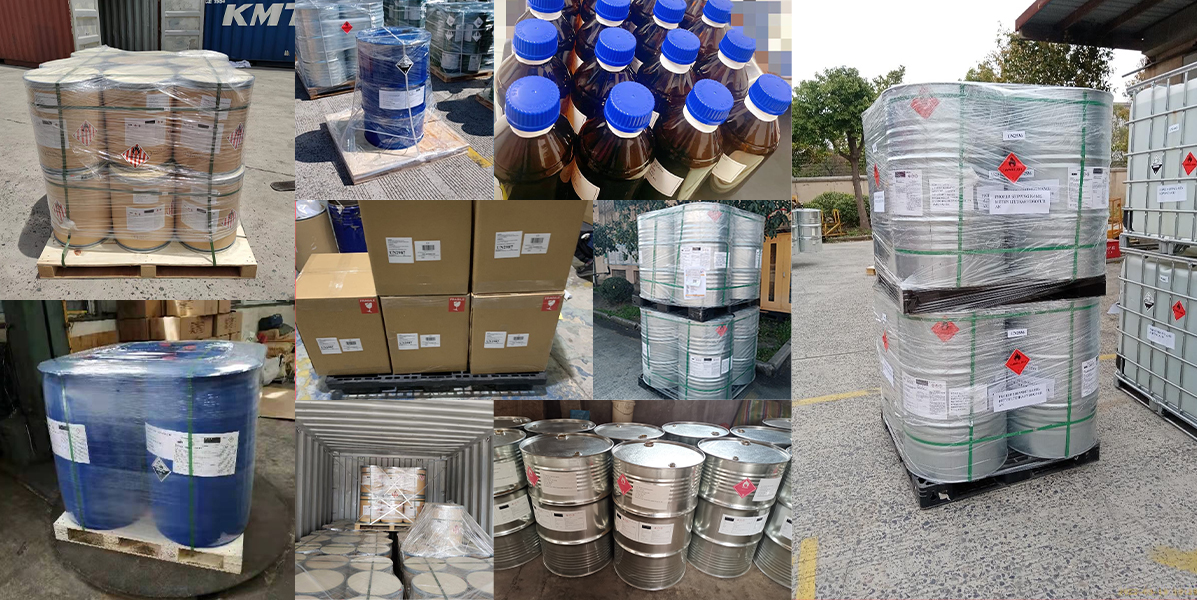
1. 20 years of R&D, manufacturing and sales experience, serving customers in 60 countries and regions around the world;
2. Own R&D laboratory, pilot platform and large-scale production workshop, which can meet the audit requirements of global customers;
3. We can satisfy customers' perfect transition from small scale lab requirements (gram level) to commercialization requirements (hundred tons level).
A: We don't have Minimum Order Quantity, exact quantity should be provided before quotation for us to calculate the exact cost.
A: We don't provide free samples due to lots of request and expensive international courier's cost, we can deduct the sample charge after commercial order placed.
A: Our payment terms: Small or sample order: T/T IN ADVANCE. Commercial order: First order should be by T/T IN ADVANCE or L/C at sight, and following orders T/T 30~90days is acceptable subject to approval of credit application.