
Custom Manufacturing, Project Outsourcing, your Trusted Partner from China
Propylene Glycol (1,2-Propanediol, CAS 57-55-6) is a fundamental chemical compound whose utility stems directly from its unique molecular structure and resulting properties. As a leading supplier, we recognize the importance of understanding the science behind this versatile diol. This article explores its chemical composition, key physical and chemical characteristics, and the primary methods of its industrial production.
Chemically, Propylene Glycol is an organic compound with the formula C₃H₈O₂. Its structure features a three-carbon chain with two hydroxyl (-OH) groups attached to adjacent carbon atoms (C1 and C2). This vicinal diol arrangement is crucial to its properties, imparting polarity and enabling it to form hydrogen bonds with water and other polar molecules. The presence of a chiral carbon atom means Propylene Glycol exists as two enantiomers (R and S), though commercial grades are typically racemic mixtures.
Key physical properties include its appearance: a colorless, viscous liquid that is nearly odorless with a faint sweet taste. Its high boiling point (approximately 188°C) and low freezing point contribute to its utility in temperature regulation applications. A significant characteristic is its miscibility with water, ethanol, acetone, and chloroform, while having limited solubility in nonpolar solvents like hydrocarbons. This broad solvency profile is a primary reason for its extensive use as a solvent in various industries.
Chemically, Propylene Glycol behaves like a typical alcohol, capable of undergoing esterification and etherification reactions. Its stability under normal conditions is high, though it can oxidize at elevated temperatures. Its hygroscopic nature, meaning it readily attracts and holds moisture from the air, is vital for its role as a humectant in cosmetics and personal care products.
Industrially, Propylene Glycol is predominantly produced from propylene oxide. The primary method involves the hydration of propylene oxide. This can be achieved through:
1. Non-Catalytic Hydrolysis: Propylene oxide is reacted with water at high temperatures (200-220°C) and pressures (1.5-2.0 MPa). This process yields a mixture of Propylene Glycol, dipropylene glycol, and other polypropylene glycols. Further distillation is required to achieve high purity.
2. Catalytic Hydrolysis: This method utilizes a catalyst, such as a dilute acid (like sulfuric acid) or an ion-exchange resin, to facilitate the reaction between propylene oxide and water. The reaction can occur at lower temperatures (150-180°C) and pressures, often leading to a higher yield of Propylene Glycol.
Another source for Propylene Glycol is glycerol, a byproduct of biodiesel production. While this is an increasingly viable and sustainable route, it may result in products with slightly different olfactory and gustatory profiles, typically reserved for industrial applications.
The careful control of these production processes ensures the high purity and consistent quality of Propylene Glycol that is essential for its diverse applications, from pharmaceutical excipients to industrial solvents. As a leading supplier, we leverage these scientific principles to deliver a product that meets the exacting standards of our global clientele.
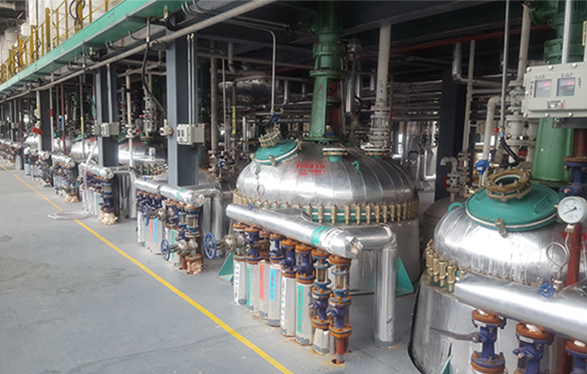
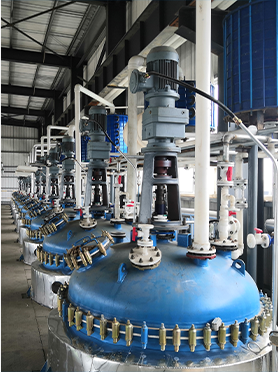
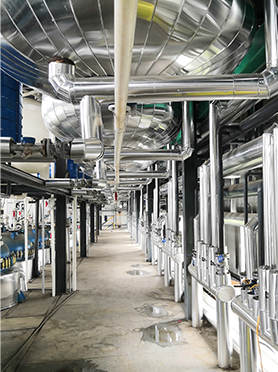
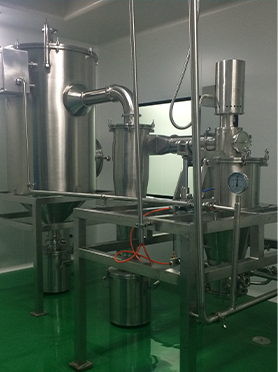
Manufacturing Facilities
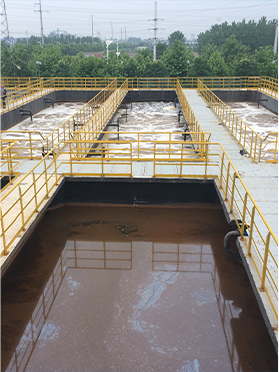
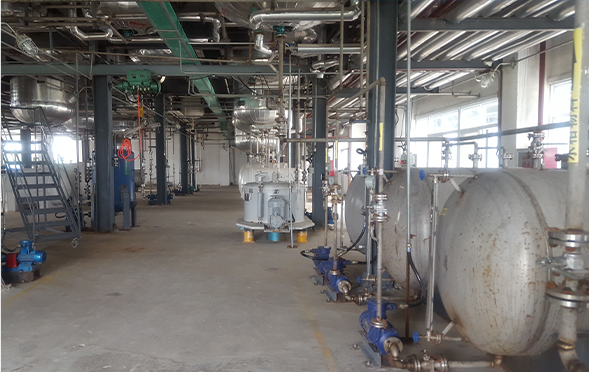
Professional Export Experience
to Global Customers
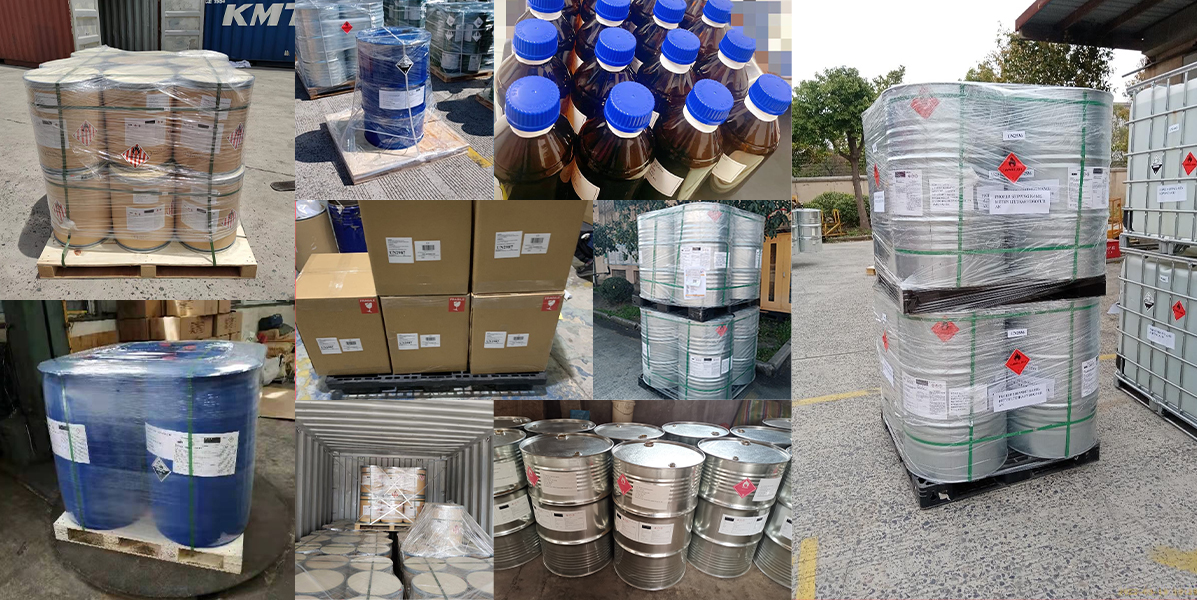
1. 20 years of R&D, manufacturing and sales experience, serving customers in 60 countries and regions around the world;
2. Own R&D laboratory, pilot platform and large-scale production workshop, which can meet the audit requirements of global customers;
3. We can satisfy customers' perfect transition from small scale lab requirements (gram level) to commercialization requirements (hundred tons level).
A: We don't have Minimum Order Quantity, exact quantity should be provided before quotation for us to calculate the exact cost.
A: We don't provide free samples due to lots of request and expensive international courier's cost, we can deduct the sample charge after commercial order placed.
A: Our payment terms: Small or sample order: T/T IN ADVANCE. Commercial order: First order should be by T/T IN ADVANCE or L/C at sight, and following orders T/T 30~90days is acceptable subject to approval of credit application.