
Custom Manufacturing, Project Outsourcing, your Trusted Partner from China
Silane coupling agents are indispensable in modern material science and manufacturing, acting as molecular architects that bridge the gap between inorganic substrates and organic polymers. Their ability to enhance interfacial adhesion is critical for the performance and durability of composites, coatings, adhesives, and many other advanced materials. Understanding the fundamental science behind how these molecules work is key for engineers and chemists seeking to optimize material properties.
At its core, a silane coupling agent is a bifunctional molecule. Typically, it possesses at least one silicon atom bonded to alkoxy groups (e.g., methoxy or ethoxy) and an organic functional group. The silicon atom is often bonded to three alkoxy groups, represented as R-Si(OR')₃, where R is the organic functional group and OR' are the alkoxy groups. The magic happens when these alkoxy groups hydrolyze in the presence of water or surface hydroxyls. This hydrolysis converts the alkoxy groups into silanol groups (-Si-OH):
R-Si(OR')₃ + 3H₂O → R-Si(OH)₃ + 3R'OH
These newly formed silanol groups are highly reactive. They can then undergo condensation reactions. This condensation can occur in two primary ways: either between two silanol groups on different silane molecules to form a siloxane bond (Si-O-Si), or between a silanol group of the silane and a hydroxyl group present on the surface of an inorganic substrate (forming Si-O-Substrate bonds).
The R group, the organic functional part of the silane molecule, is tailored to be compatible with or capable of reacting with the organic polymer matrix. For example:
The overall mechanism involves the silane molecule attaching to the inorganic surface via stable covalent bonds, while its organic functional group extends outwards, ready to interact with or chemically bond to the organic polymer matrix. This creates a robust interfacial layer that effectively couples the two dissimilar materials. The strength of this coupling significantly improves the mechanical properties (tensile strength, flexural modulus, impact resistance), water resistance, and overall durability of the composite or coated system. Many manufacturers, including NINGBO INNO PHARMCHEM CO.,LTD., offer a wide range of these silane coupling agents, allowing formulators to select the optimal molecule for their specific application needs. When you need to buy these essential additives, consider their technical specifications and the reliability of the supplier.
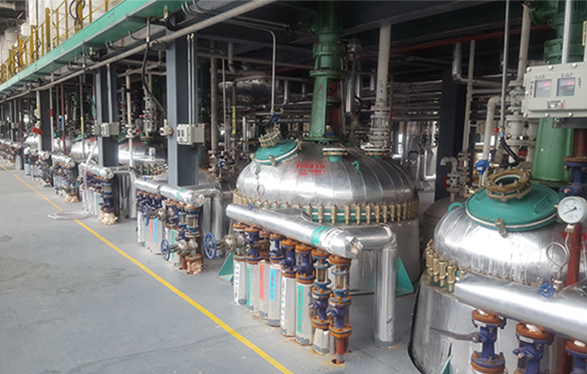
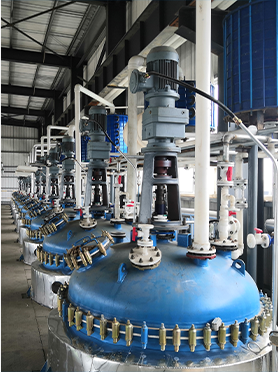
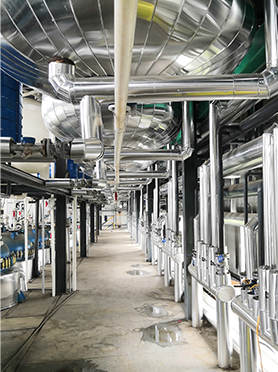
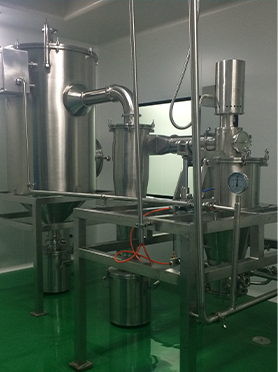
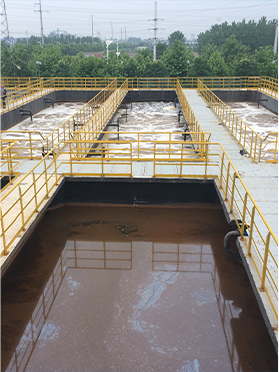
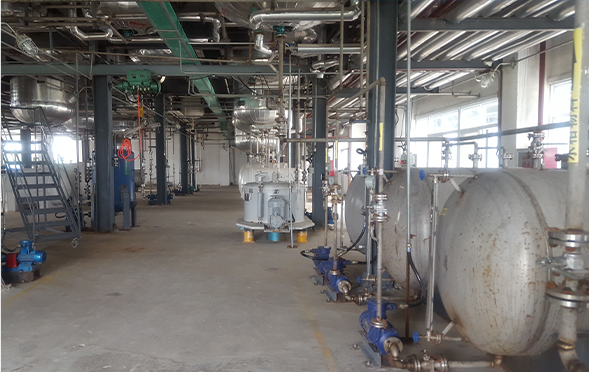
Manufacturing Facilities
Professional Export Experience
to Global Customers
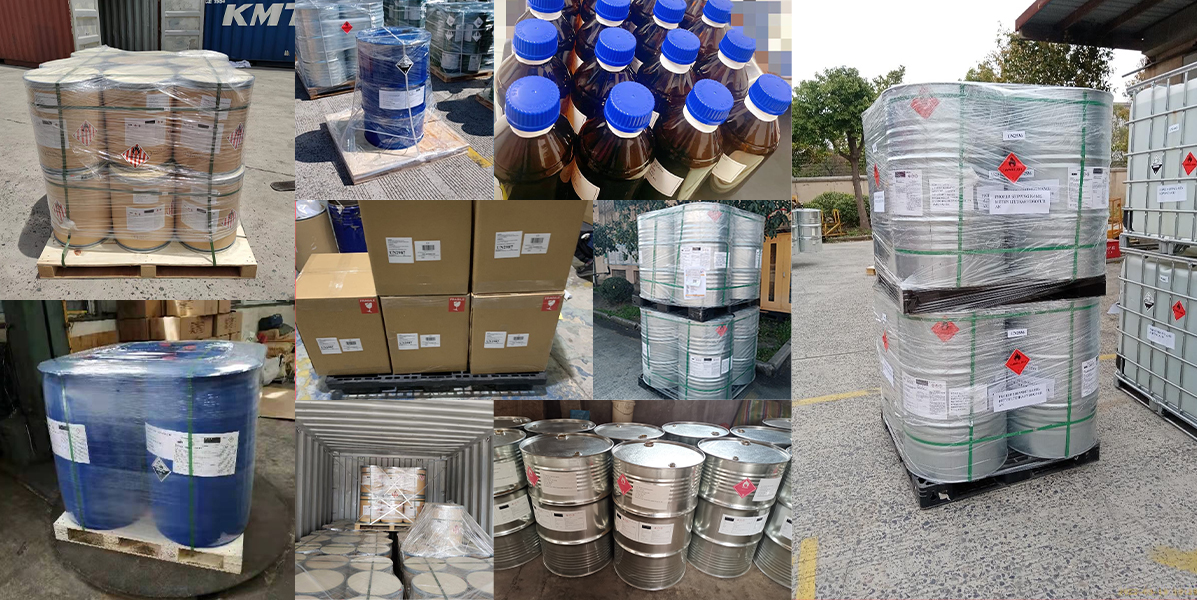
1. 20 years of R&D, manufacturing and sales experience, serving customers in 60 countries and regions around the world;
2. Own R&D laboratory, pilot platform and large-scale production workshop, which can meet the audit requirements of global customers;
3. We can satisfy customers' perfect transition from small scale lab requirements (gram level) to commercialization requirements (hundred tons level).
A: We don't have Minimum Order Quantity, exact quantity should be provided before quotation for us to calculate the exact cost.
A: We don't provide free samples due to lots of request and expensive international courier's cost, we can deduct the sample charge after commercial order placed.
A: Our payment terms: Small or sample order: T/T IN ADVANCE. Commercial order: First order should be by T/T IN ADVANCE or L/C at sight, and following orders T/T 30~90days is acceptable subject to approval of credit application.