
Custom Manufacturing, Project Outsourcing, your Trusted Partner from China
The journey from basic chemical building blocks to advanced pharmaceutical APIs is a testament to the power of organic synthesis. For professionals in the chemical and pharmaceutical industries, understanding the synthetic routes and the scientific significance of key intermediates is vital. 3-(2-chloropyrimidin-4-yl)-1-methylindole, bearing the CAS number 1032452-86-0, is one such compound whose synthesis and utility are of considerable interest.
The chemical structure of 3-(2-chloropyrimidin-4-yl)-1-methylindole combines an indole nucleus with a substituted pyrimidine ring. This molecular architecture is not arbitrary; it's designed to participate in specific chemical reactions that lead to more complex drug molecules. The chlorine atom on the pyrimidine ring, for instance, often serves as a leaving group in nucleophilic substitution reactions, a common strategy in pharmaceutical synthesis. Similarly, the indole moiety offers sites for further functionalization or acts as a critical pharmacophore itself.
When considering how to manufacture 3-(2-chloropyrimidin-4-yl)-1-methylindole, chemists often employ established methodologies for heterocycle synthesis. Typical routes might involve coupling reactions between appropriately functionalized indole and pyrimidine precursors. For example, reactions often begin with readily available starting materials like N-methylindole and a dichloropyrimidine derivative. Catalysts and specific reaction conditions are meticulously chosen to ensure regioselectivity and high yields, which are crucial when looking to buy this intermediate at a reasonable price.
The scientific importance of this intermediate is largely derived from its role in producing Osimertinib. The synthesis of Osimertinib requires this specific building block to construct the core structure of the drug. Therefore, a reliable and efficient synthesis of 3-(2-chloropyrimidin-4-yl)-1-methylindole directly impacts the accessibility and affordability of this important cancer treatment. Researchers and chemical engineers are continuously seeking to optimize synthesis protocols to improve yield, reduce waste, and lower production costs, making this intermediate more accessible to pharmaceutical companies looking for a dependable supplier.
In conclusion, 3-(2-chloropyrimidin-4-yl)-1-methylindole exemplifies the critical role that well-designed chemical intermediates play in modern drug discovery and manufacturing. Its synthesis represents a sophisticated application of organic chemistry principles, enabling the creation of therapies that address significant unmet medical needs.
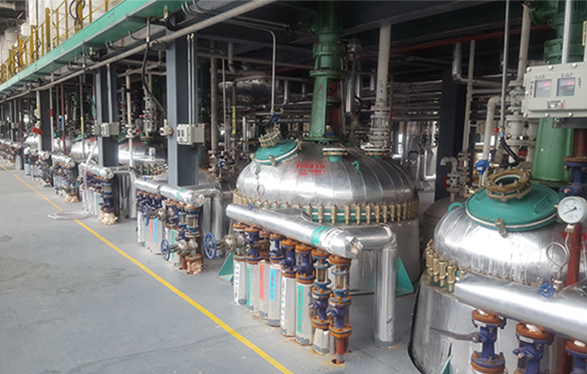
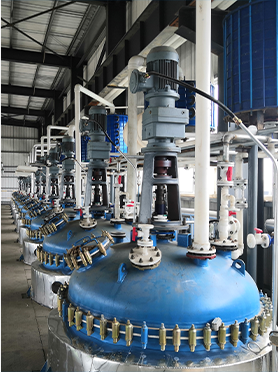
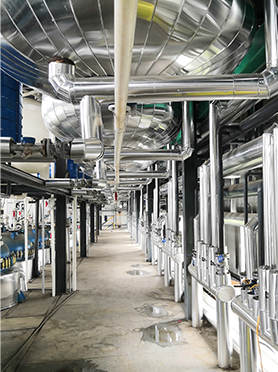
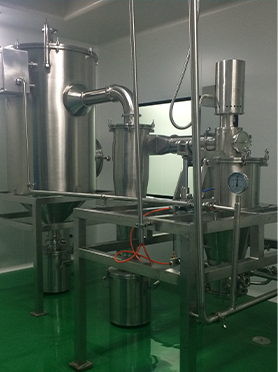
Manufacturing Facilities
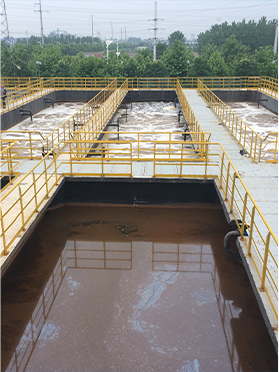
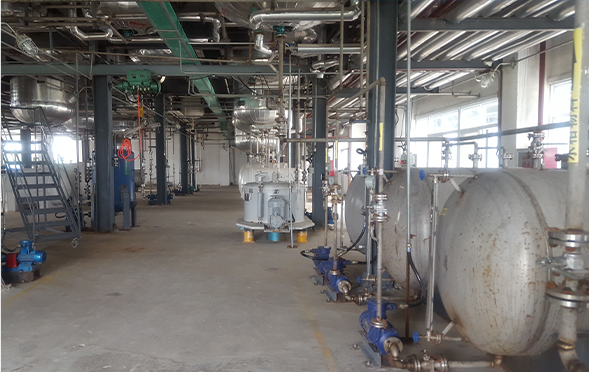
Professional Export Experience
to Global Customers
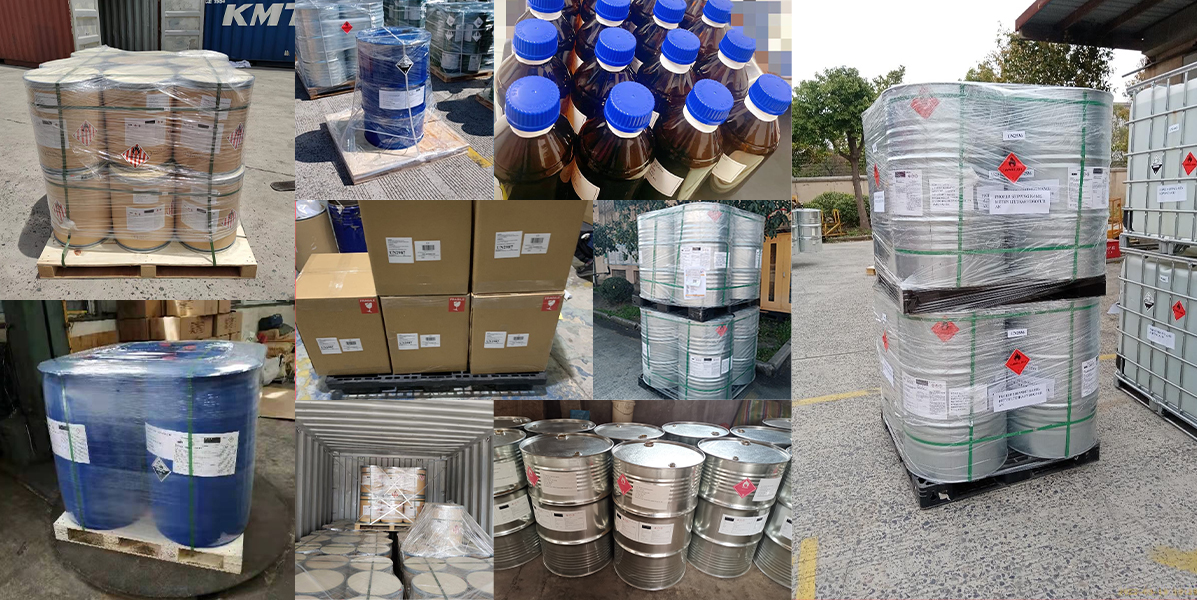
1. 20 years of R&D, manufacturing and sales experience, serving customers in 60 countries and regions around the world;
2. Own R&D laboratory, pilot platform and large-scale production workshop, which can meet the audit requirements of global customers;
3. We can satisfy customers' perfect transition from small scale lab requirements (gram level) to commercialization requirements (hundred tons level).
A: We don't have Minimum Order Quantity, exact quantity should be provided before quotation for us to calculate the exact cost.
A: We don't provide free samples due to lots of request and expensive international courier's cost, we can deduct the sample charge after commercial order placed.
A: Our payment terms: Small or sample order: T/T IN ADVANCE. Commercial order: First order should be by T/T IN ADVANCE or L/C at sight, and following orders T/T 30~90days is acceptable subject to approval of credit application.