
Custom Manufacturing, Project Outsourcing, your Trusted Partner from China
Textile printing is a complex art and science, where the formulation of the print paste plays a pivotal role in the final output. At the heart of this formulation lies the thickener, an agent that controls the viscosity and rheology of the paste. For disperse printing, specialized thickeners are indispensable, and understanding their properties is key for any manufacturer aiming for optimal results. As a prominent supplier of textile printing auxiliary agents, we offer insights into the science behind these crucial components.
Disperse printing is primarily used for synthetic fibers like polyester, and it involves applying fine dye particles suspended in water. The print paste needs to have a specific viscosity – not too thin to spread uncontrollably, and not too thick to hinder application or penetration. This is where disperse printing thickeners come into play. These chemical auxiliary agents are typically polymer-based, and their molecular structure dictates how they interact with water and dye particles to create the desired paste consistency.
Our high-concentration disperse printing thickener, for example, is an acrylic multicomponent copolymer. Its composition allows it to efficiently thicken water, forming a stable emulsion that holds the disperse dyes in suspension. The 'anionic' characteristic of many such thickeners means they possess a negative charge, which can influence their interaction with dye molecules and other additives in the print paste, often contributing to improved dye uptake and stability.
The 'science' of using these thickeners involves precise control over concentration, dispersion method, and interaction with other print paste ingredients like binders, humectants, and pH regulators. When you buy printing thickener, you are acquiring a carefully engineered chemical product designed to work harmoniously within a complex system. A well-formulated paste with the right thickener ensures:
For textile manufacturers, selecting the right disperse printing thickener is a decision that impacts every stage of the printing process, from paste preparation to the final fabric quality. As a supplier and manufacturer committed to quality, we offer products that not only meet these technical demands but also adhere to environmental standards, such as being formaldehyde-free. Understanding the science behind these chemical auxiliaries allows you to make informed purchasing decisions and optimize your textile printing operations.
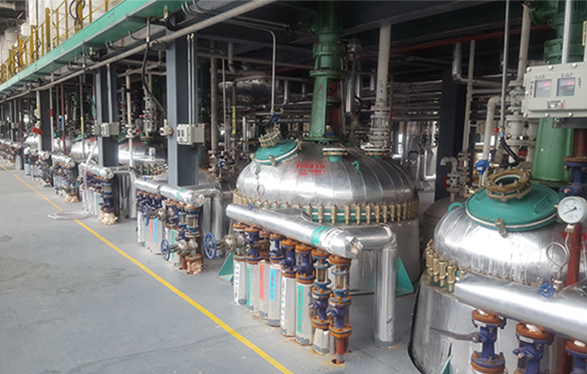
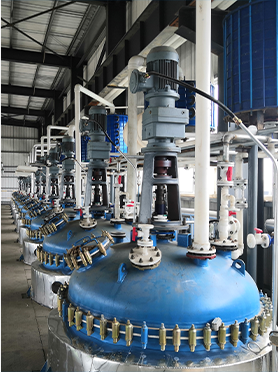
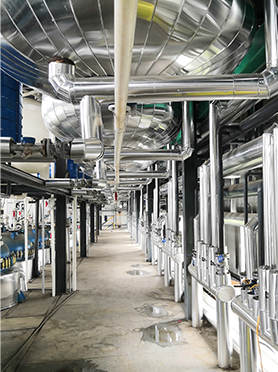
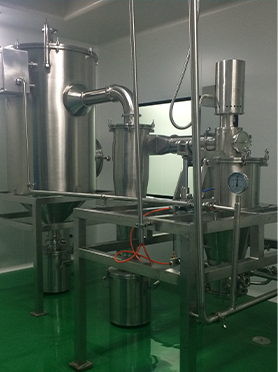
Manufacturing Facilities
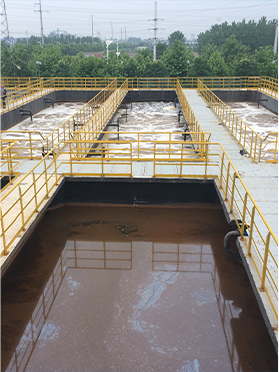
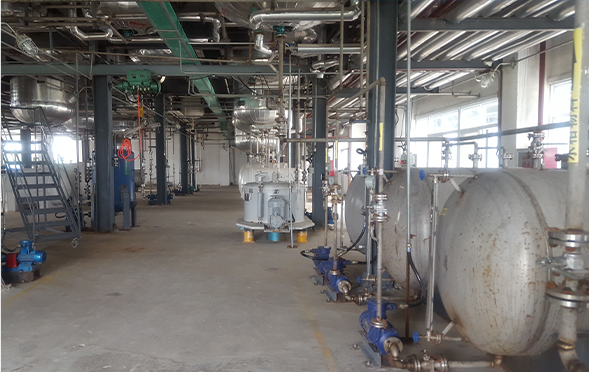
Professional Export Experience
to Global Customers
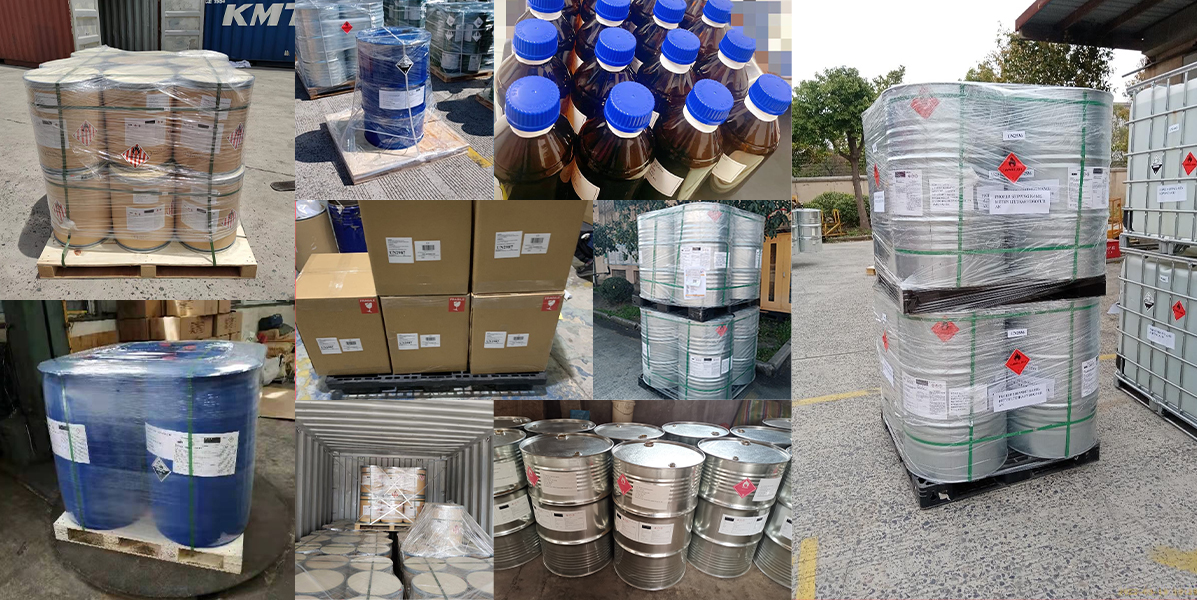
1. 20 years of R&D, manufacturing and sales experience, serving customers in 60 countries and regions around the world;
2. Own R&D laboratory, pilot platform and large-scale production workshop, which can meet the audit requirements of global customers;
3. We can satisfy customers' perfect transition from small scale lab requirements (gram level) to commercialization requirements (hundred tons level).
A: We don't have Minimum Order Quantity, exact quantity should be provided before quotation for us to calculate the exact cost.
A: We don't provide free samples due to lots of request and expensive international courier's cost, we can deduct the sample charge after commercial order placed.
A: Our payment terms: Small or sample order: T/T IN ADVANCE. Commercial order: First order should be by T/T IN ADVANCE or L/C at sight, and following orders T/T 30~90days is acceptable subject to approval of credit application.