
Custom Manufacturing, Project Outsourcing, your Trusted Partner from China
Viscosity is arguably the most critical parameter when discussing the effectiveness of polyacrylamide (PAM) in Enhanced Oil Recovery (EOR) operations. This fundamental property dictates how efficiently injected fluids can displace oil from subterranean reservoirs. This article aims to demystify the science behind viscosity in oilfield polyacrylamide, exploring its importance in EOR and the advanced techniques used to model and optimize it.
The primary function of polyacrylamide in EOR, especially in methods like polymer flooding, is to increase the viscosity of the injection water. When water alone is injected, it often possesses a much lower viscosity than the reservoir oil. This disparity leads to an unfavorable mobility ratio, where the water tends to bypass the oil, channeling through high-permeability zones and leaving significant oil behind. By injecting a polymer solution, operators create a more viscous fluid that exhibits better conformance and sweep efficiency. This is the essence of viscosity-enhanced polyacrylamide for injection wells.
The study of HPAM solution viscosity modeling is a complex but vital field within petroleum engineering. Partially hydrolyzed polyacrylamide (HPAM) solutions are influenced by a multitude of factors, including polymer concentration, molecular weight, degree of hydrolysis, temperature, salinity, and shear rate. Advanced modeling techniques, ranging from empirical correlations to sophisticated artificial intelligence methods like neural networks and fuzzy logic, are employed to accurately predict how these variables interact to determine the solution's viscosity. This predictive capability is crucial for designing injection strategies that maximize oil recovery.
Understanding these viscosity profiles allows for effective water mobility control PAM. By carefully tuning the polymer solution's viscosity, engineers can ensure that the injected fluid moves through the reservoir at a controlled rate, maximizing contact with the oil-bearing rock. This improved sweep is what distinguishes polymer flooding as a highly effective EOR technique, directly contributing to the goal of polymer flooding enhanced oil recovery.
The choice of polyacrylamide also extends to considerations of its stability under reservoir conditions. While high viscosity is desirable, the polymer must also maintain its structure and properties. This is where the concept of low degradation polyacrylamide EOR becomes critical. Polymers that resist mechanical shearing, thermal breakdown, and chemical attack will provide sustained viscosity enhancement over longer periods, leading to more economical and efficient oil recovery.
In conclusion, viscosity is not just a physical property; it is the driving force behind successful polyacrylamide-based EOR. Through meticulous modeling and careful selection of advanced polymer formulations, the oil industry continues to leverage the power of viscosity to unlock vast reserves of oil, ensuring greater efficiency and productivity in the quest for energy resources.
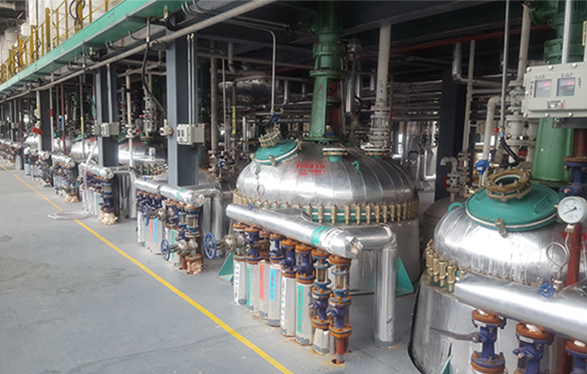
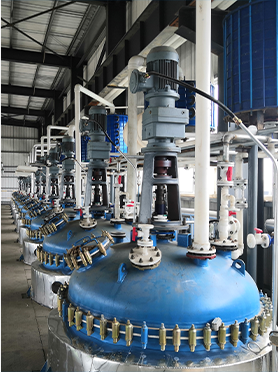
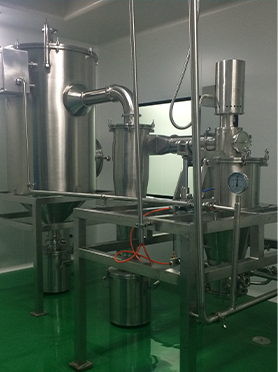
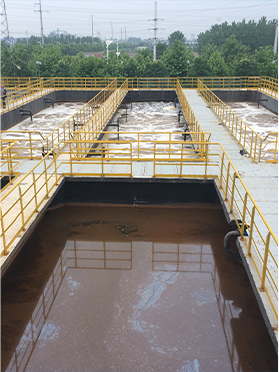
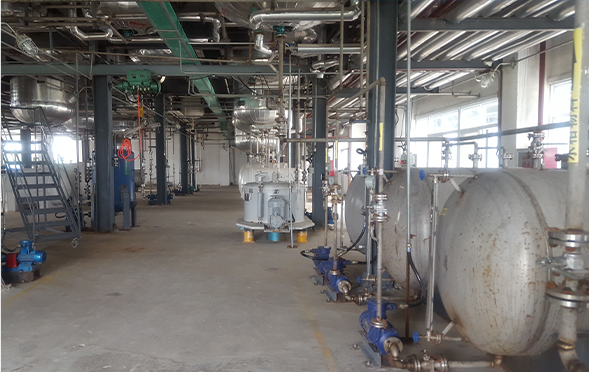
Manufacturing Facilities

Professional Export Experience
to Global Customers
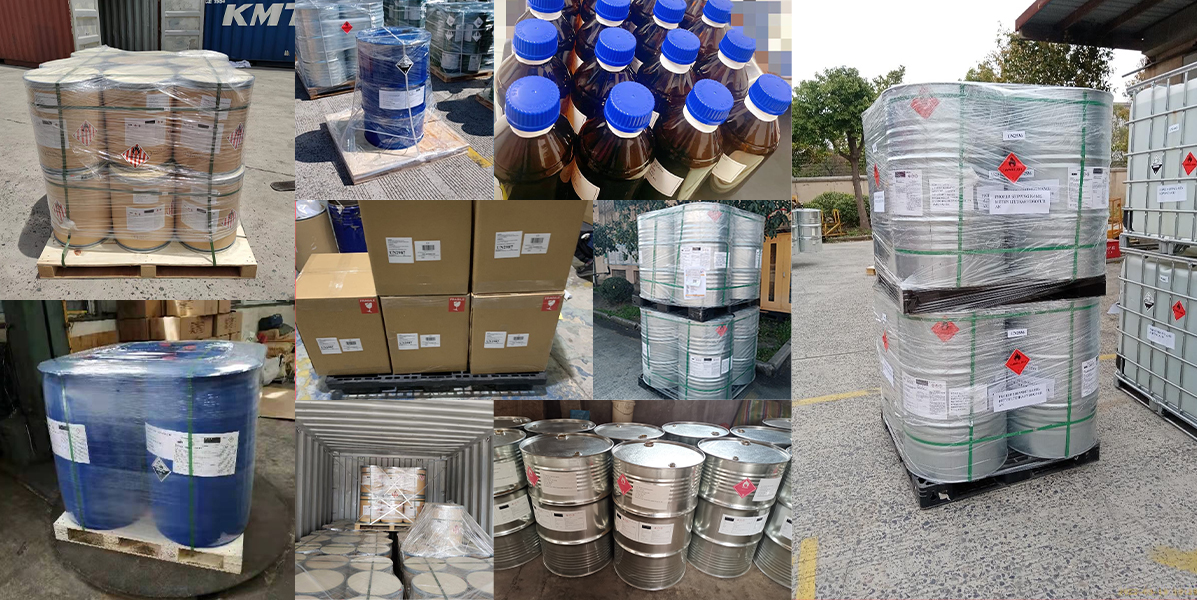
1. 20 years of R&D, manufacturing and sales experience, serving customers in 60 countries and regions around the world;
2. Own R&D laboratory, pilot platform and large-scale production workshop, which can meet the audit requirements of global customers;
3. We can satisfy customers' perfect transition from small scale lab requirements (gram level) to commercialization requirements (hundred tons level).
A: We don't have Minimum Order Quantity, exact quantity should be provided before quotation for us to calculate the exact cost.
A: We don't provide free samples due to lots of request and expensive international courier's cost, we can deduct the sample charge after commercial order placed.
A: Our payment terms: Small or sample order: T/T IN ADVANCE. Commercial order: First order should be by T/T IN ADVANCE or L/C at sight, and following orders T/T 30~90days is acceptable subject to approval of credit application.