Custom Manufacturing, Project Outsourcing, your Trusted Partner from China
The performance and longevity of plastic materials are significantly influenced by their ability to withstand environmental factors, particularly ultraviolet (UV) radiation. For manufacturers seeking to protect their products from photodegradation, understanding the science behind UV stabilization is crucial. Hindered Amine Light Stabilizers (HALS) are a class of additives that have revolutionized polymer protection, and Hindered Amine Light Stabilizer 622 (HALS 622) is a prime example of their efficacy. As a leading supplier and manufacturer of these advanced chemical solutions, we aim to shed light on how HALS 622 functions to safeguard your materials.
Understanding the Mechanism of UV Degradation
When polymers are exposed to UV light, the energy absorbed can break chemical bonds within the polymer matrix. This initiates a radical chain reaction, where unstable molecules (free radicals) propagate damage, leading to detrimental changes like loss of mechanical strength, discoloration, and embrittlement. This process is accelerated by heat and oxygen, commonly referred to as photo-oxidative degradation. Effectively halting this process is key to extending the service life of plastic products.
How Hindered Amine Light Stabilizer 622 Protects Polymers
Unlike UV absorbers, which function by absorbing UV radiation and dissipating it as heat, HALS operate through a different, highly effective mechanism. HALS 622 is a polymeric, high molecular weight compound that actively scavenges the free radicals formed during the degradation process. The core of its function lies in its ability to form stable nitroxyl radicals, which then react with polymer alkyl radicals and peroxy radicals. What makes HALS so remarkable is their regenerative nature: after reacting with a radical, the HALS molecule is reformed, allowing it to participate in further radical scavenging cycles. This cyclic process enables HALS to provide long-lasting protection, even at relatively low concentrations, making them a highly efficient and economical choice when you buy.
Key Features of HALS 622:
Applications and Sourcing HALS 622
HALS 622 is highly effective in a broad spectrum of polymers, including polyolefins (PE, PP), polyurethanes, polyacetals, polyamides, and elastomers. Its applications span across automotive parts, agricultural films, textiles, coatings, and adhesives. For manufacturers seeking to integrate this advanced stabilization technology into their products, sourcing high-quality HALS 622 from a reliable supplier in China is crucial. We offer products with assured purity and consistent performance, backed by competitive price structures. Contact us to discuss your specific needs and obtain a quote for your next production run.
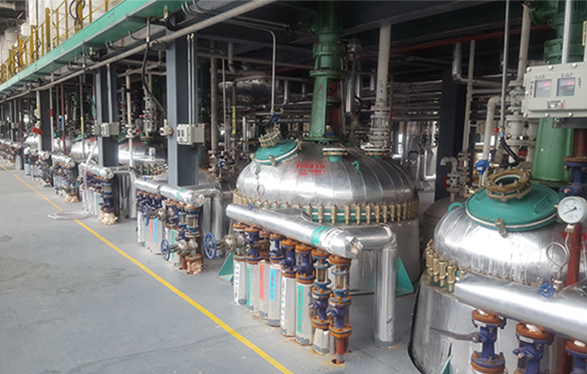
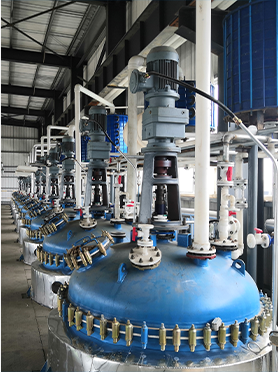
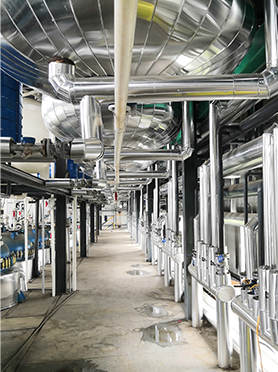
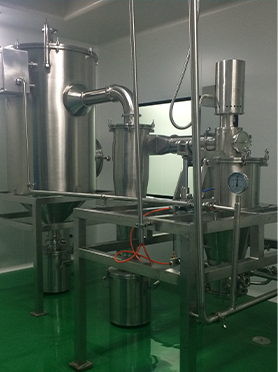
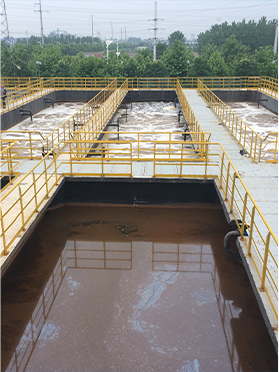
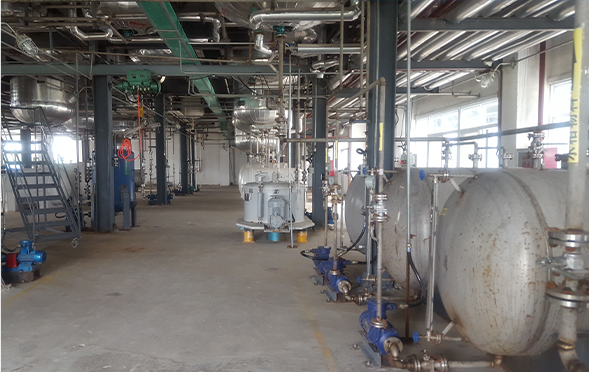
Manufacturing Facilities
Professional Export Experience
to Global Customers
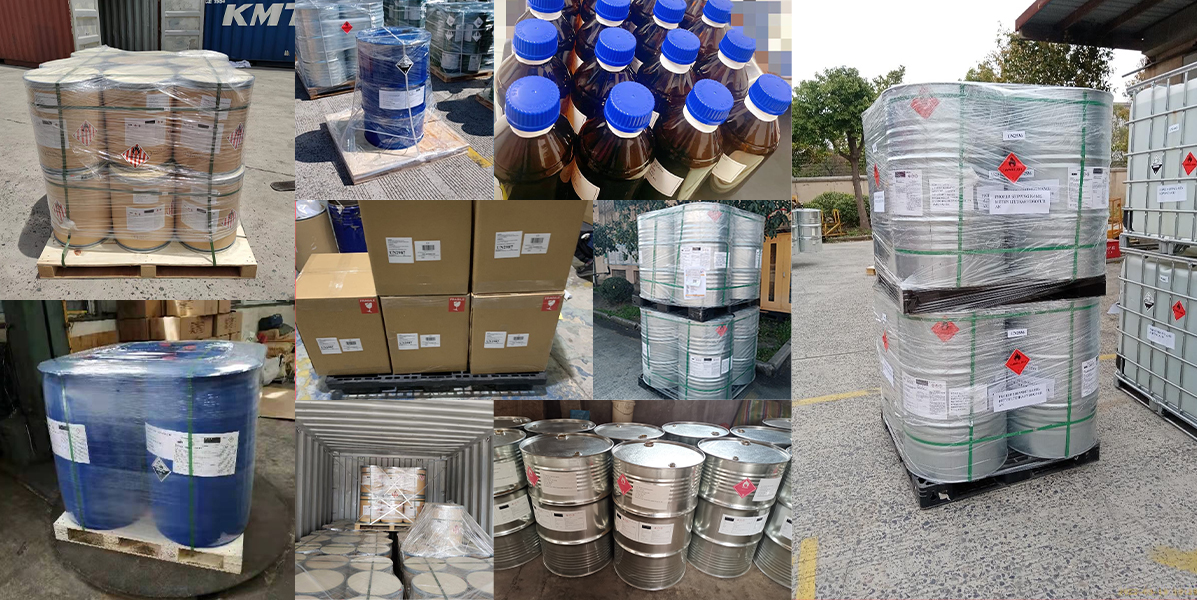
1. 20 years of R&D, manufacturing and sales experience, serving customers in 60 countries and regions around the world;
2. Own R&D laboratory, pilot platform and large-scale production workshop, which can meet the audit requirements of global customers;
3. We can satisfy customers' perfect transition from small scale lab requirements (gram level) to commercialization requirements (hundred tons level).
A: We don't have Minimum Order Quantity, exact quantity should be provided before quotation for us to calculate the exact cost.
A: We don't provide free samples due to lots of request and expensive international courier's cost, we can deduct the sample charge after commercial order placed.
A: Our payment terms: Small or sample order: T/T IN ADVANCE. Commercial order: First order should be by T/T IN ADVANCE or L/C at sight, and following orders T/T 30~90days is acceptable subject to approval of credit application.