
Custom Manufacturing, Project Outsourcing, your Trusted Partner from China
The world of sealants relies heavily on advanced chemical formulations that provide durability, flexibility, and adhesion. Among the most common and effective are the one-component, room-temperature vulcanizing (RTV-1) silicone sealants. At the heart of these formulations lies a critical ingredient: Ethyltriacetoxysilane (ETAS). As a specialized chemical supplier, we understand that procurement managers and R&D scientists are always seeking to optimize their material performance and cost-effectiveness. This article explores the science behind ETAS and its indispensable role in moisture-curing sealant technology.
Understanding Moisture-Curing Mechanisms
Moisture-curing systems are designed to initiate a chemical reaction upon exposure to atmospheric humidity, transforming a liquid or paste into a solid elastomer. In the case of acetoxy cure silicone sealants, Ethyltriacetoxysilane is the primary crosslinking agent. The process begins with the hydrolysis of ETAS. Water molecules present in the air react with the acetoxy groups (-OCOCH3) attached to the silicon atom, cleaving them and releasing acetic acid (CH3COOH) as a byproduct. This reaction generates reactive silanol groups (-Si-OH) on the ETAS molecule.
These newly formed silanol groups are highly reactive. They can then undergo condensation reactions with other silanol groups – either on other ETAS molecules or, more importantly, with the hydroxyl-terminated silicone polymers that form the base of the sealant. This condensation process creates stable siloxane (Si-O-Si) bonds, effectively crosslinking the polymer chains. The result is a flexible, durable, and often transparent silicone rubber network that adheres strongly to various substrates.
Why Ethyltriacetoxysilane is a Preferred Choice
Ethyltriacetoxysilane is a popular choice for acetoxy cure systems for several compelling reasons:
Considerations for Procurement and Application
While ETAS offers numerous advantages, formulators and buyers should be aware of a few considerations. The release of acetic acid during curing, while generally manageable, can be corrosive to sensitive substrates like unsealed marble, concrete, or certain metals. This is why oxime or alkoxy cure systems are sometimes preferred for specific applications. However, for general-purpose sealants where these concerns are minimal, ETAS remains an excellent choice.
For businesses looking to purchase Ethyltriacetoxysilane, engaging with a reputable manufacturer is paramount. Understanding the CAS number (17689-77-9) and requesting product specifications are essential steps. We are committed to supplying high-quality ETAS to meet the demands of the global sealant market. Our goal is to provide not just a chemical, but a solution that contributes to the reliability and success of your products. If you are seeking a dependable supplier for your Ethyltriacetoxysilane needs, we encourage you to reach out for a quote and sample.
In essence, Ethyltriacetoxysilane is a cornerstone chemical in the modern sealant industry, enabling the performance and convenience of RTV-1 silicone sealants through its precise moisture-curing mechanism. By understanding its chemistry and sourcing from reliable partners, manufacturers can continue to innovate and deliver high-quality sealing solutions.
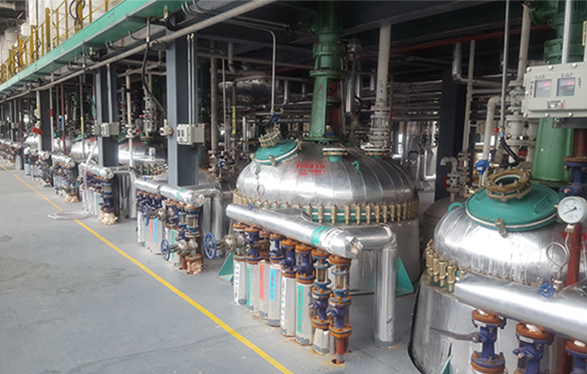
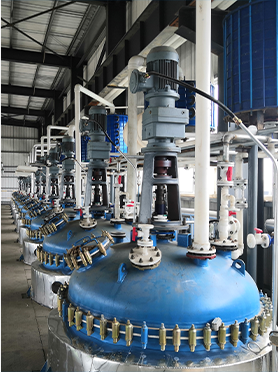
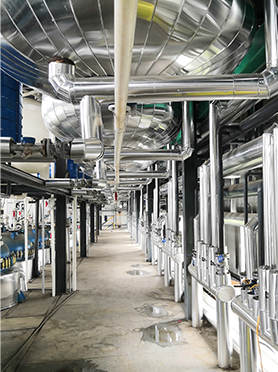
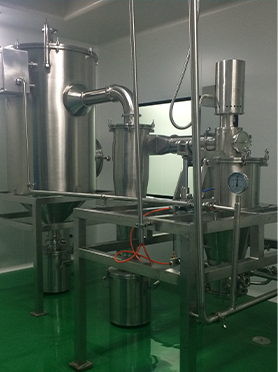
Manufacturing Facilities
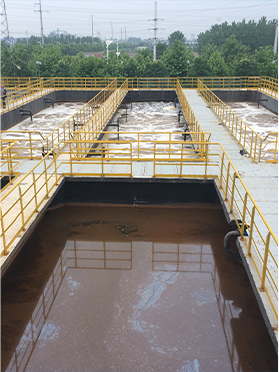
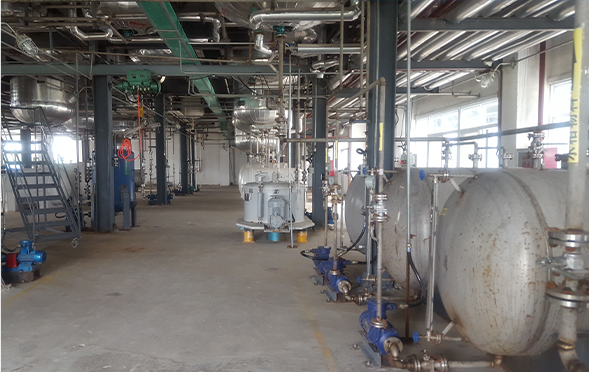
Professional Export Experience
to Global Customers
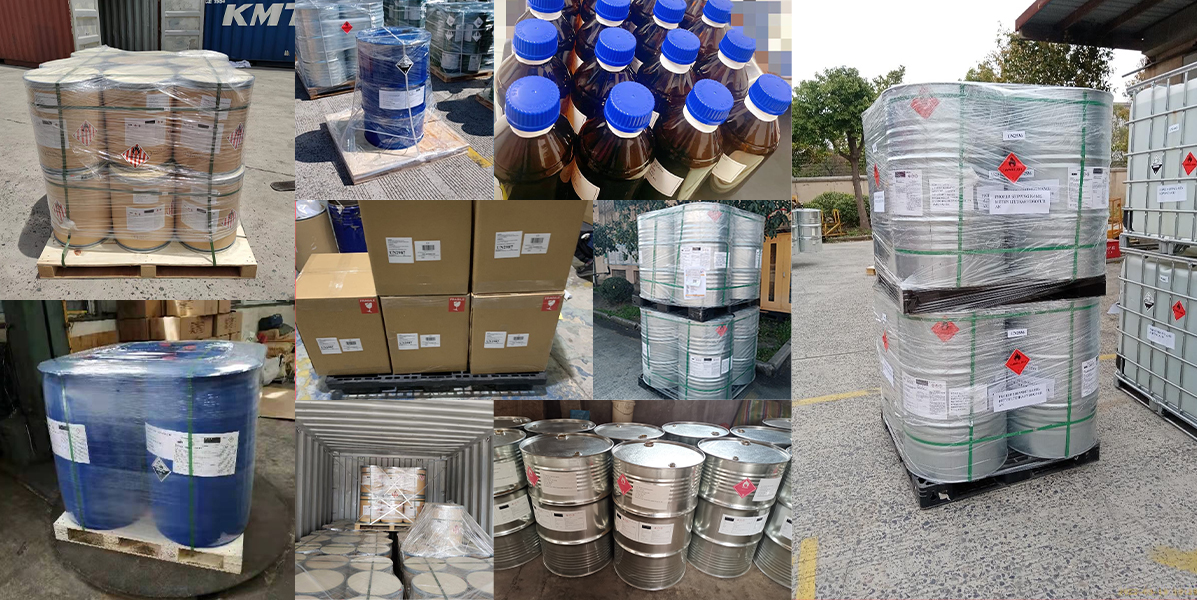
1. 20 years of R&D, manufacturing and sales experience, serving customers in 60 countries and regions around the world;
2. Own R&D laboratory, pilot platform and large-scale production workshop, which can meet the audit requirements of global customers;
3. We can satisfy customers' perfect transition from small scale lab requirements (gram level) to commercialization requirements (hundred tons level).
A: We don't have Minimum Order Quantity, exact quantity should be provided before quotation for us to calculate the exact cost.
A: We don't provide free samples due to lots of request and expensive international courier's cost, we can deduct the sample charge after commercial order placed.
A: Our payment terms: Small or sample order: T/T IN ADVANCE. Commercial order: First order should be by T/T IN ADVANCE or L/C at sight, and following orders T/T 30~90days is acceptable subject to approval of credit application.