
Custom Manufacturing, Project Outsourcing, your Trusted Partner from China
Polyethylene Glycol 4000 (PEG 4000) is a fascinating polymer whose utility is deeply rooted in its specific chemical properties. As a key player in pharmaceuticals, cosmetics, and various industrial applications, understanding its chemical nature is fundamental to harnessing its full potential. This article delves into the detailed peg 4000 chemical characteristics, covering its molecular structure, solubility, stability, and the critical aspects of its handling and storage to ensure optimal performance and safety.
At its core, PEG 4000 is a polymer composed of repeating ethylene oxide units. Its general chemical formula is HO−(CH2CH2O)n−OH, with 'n' representing the average number of ethylene oxide units. For PEG 4000, this average is approximately 90 units, resulting in a molecular weight of around 4000 Daltons. This molecular weight significantly influences its physical state, appearance, and interaction with other substances. Unlike lower molecular weight PEGs which are liquids, PEG 4000 typically exists as white or yellowish flakes at room temperature, a testament to its polymeric nature.
The peg 4000 solubility is a paramount characteristic that drives its widespread application. It is highly soluble in water and polar organic solvents such as alcohols (ethanol, methanol) and glycols. This excellent water solubility is attributed to the presence of ether oxygens in the polymer chain, which can form hydrogen bonds with water molecules. While soluble in many common solvents, it is generally insoluble in non-polar solvents like aliphatic hydrocarbons and petroleum fractions. This selective solubility allows PEG 4000 to be used in diverse formulation strategies.
Stability is another critical attribute of PEG 4000. It is known to be thermally stable under anaerobic conditions, meaning it does not readily degrade when heated in the absence of oxygen. This stability is vital for processes involving elevated temperatures during manufacturing or for ensuring the longevity of products containing PEG 4000. However, like many polymers, it can be sensitive to strong oxidizing agents.
Proper handling polyethylene glycol 4000 is essential to maintain its quality and prevent contamination. Due to its hygroscopic nature, meaning it absorbs moisture from the air, PEG 4000 should be stored in tightly sealed containers. Exposure to moisture can lead to clumping and potential degradation, impacting its performance in sensitive applications like pharmaceuticals. Storage in a cool, dry, and well-ventilated area is recommended. When opening and resealing containers, care must be taken to minimize air exposure.
The benefits of peg 4000 extend to its safety profile. It is generally considered to have low toxicity and is non-irritating to the skin, making it suitable for use in products that come into direct contact with the body, such as cosmetics and pharmaceuticals. However, as with any chemical, appropriate safety data sheets (SDS) should always be consulted for detailed handling procedures and potential hazards.
When comparing PEG 4000 with other grades, such as PEG 3350, the differences in peg 4000 solubility and viscosity are key. While PEG 3350 might dissolve more readily in certain solvents or provide a less viscous solution, PEG 4000's properties are optimized for applications requiring greater substance, such as in sustained-release formulations or as a more viscous lubricant. The choice depends heavily on the specific application requirements.
In conclusion, the chemical characteristics of Polyethylene Glycol 4000 – its specific molecular structure, excellent solubility, thermal stability, and low toxicity – are the pillars of its widespread utility. Adhering to proper handling and storage guidelines is paramount to preserving these qualities, ensuring that PEG 4000 continues to serve effectively across a broad spectrum of scientific and industrial endeavors.
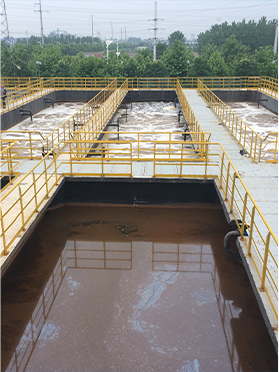
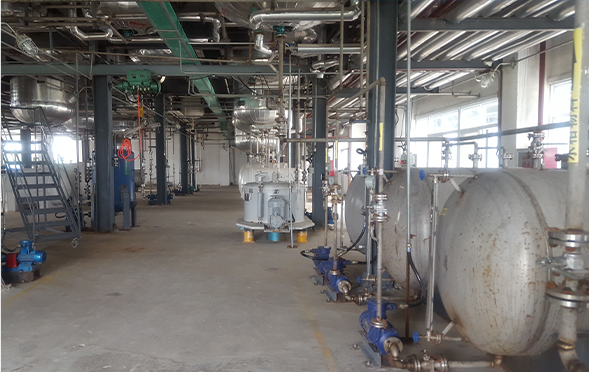
Manufacturing Facilities
Professional Export Experience
to Global Customers
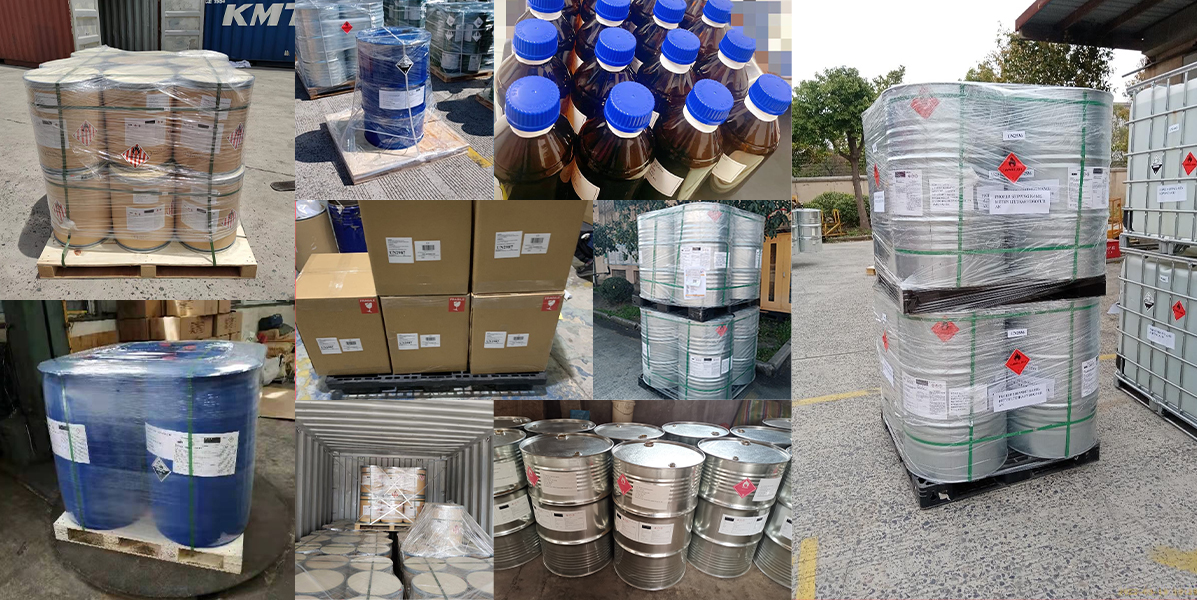
1. 20 years of R&D, manufacturing and sales experience, serving customers in 60 countries and regions around the world;
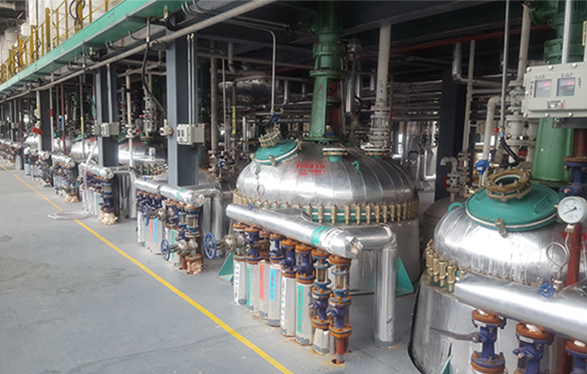
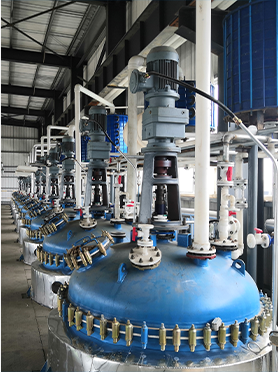
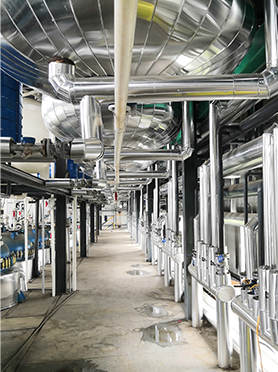
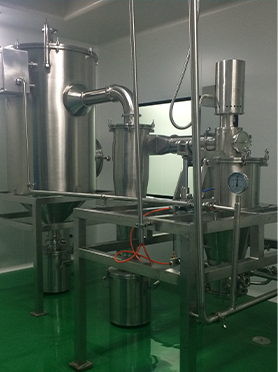
2. Own R&D laboratory, pilot platform and large-scale production workshop, which can meet the audit requirements of global customers;
3. We can satisfy customers' perfect transition from small scale lab requirements (gram level) to commercialization requirements (hundred tons level).
A: We don't have Minimum Order Quantity, exact quantity should be provided before quotation for us to calculate the exact cost.
A: We don't provide free samples due to lots of request and expensive international courier's cost, we can deduct the sample charge after commercial order placed.
A: Our payment terms: Small or sample order: T/T IN ADVANCE. Commercial order: First order should be by T/T IN ADVANCE or L/C at sight, and following orders T/T 30~90days is acceptable subject to approval of credit application.