20 YEARS OF PROFESSIONAL & DEDICATED SERVICE TO GLOBAL CUSTOMERS

Custom Manufacturing, Project Outsourcing, your Trusted Partner from China

The Science Behind Polyacrylamide: Types, Properties, and Applications

Polyacrylamide (PAM) is a versatile synthetic polymer that has found widespread application across numerous industries, from water treatment and papermaking to oil extraction and mining. Its unique properties, derived from its molecular structure and ability to be modified, make it an indispensable chemical for solving complex industrial challenges. As a leading provider of specialty chemicals, NINGBO INNO PHARMCHEM CO.,LTD. offers a range of high-quality PAM products and aims to educate our clients on their science and application.

What is Polyacrylamide?

At its core, polyacrylamide is a polymer composed of repeating acrylamide monomer units. The general chemical formula is (C3H5NO)n. The monomer, acrylamide, is a reactive molecule, and its polymerization, typically initiated by free radicals, forms the long polymer chains that give PAM its distinctive properties. A key characteristic is its high water solubility, allowing it to form viscous solutions or gels, which are fundamental to its performance as a flocculant, thickener, and rheology modifier.

Key Properties of Polyacrylamide

The utility of PAM is driven by several key properties:

  • Water Solubility: PAM readily dissolves in water, forming solutions whose viscosity increases with concentration and molecular weight.
  • Molecular Weight: PAMs are manufactured with molecular weights ranging from thousands to tens of millions of Daltons. Higher molecular weights generally result in greater viscosity and stronger flocculation capabilities.
  • Ionic Charge: By copolymerizing acrylamide with other monomers (such as acrylic acid or cationic monomers), PAM can be functionalized to possess different ionic charges:
    • Anionic PAM (APAM): Contains negatively charged groups (e.g., from hydrolyzed acrylamide or acrylic acid). It is effective in neutralizing positively charged particles and promoting flocculation in neutral to alkaline conditions.
    • Cationic PAM (CPAM): Contains positively charged groups. It is highly effective in flocculating negatively charged particles like organic matter, clays, and sludge, often performing well across a broader pH range.
    • Nonionic PAM (NPAM): Contains neutral amide groups. It relies on physical bridging for flocculation and is typically used in applications where charge interaction is minimal or undesirable.
    • Amphoteric PAM: Contains both anionic and cationic groups, offering broad applicability across various pH and contaminant types.
  • Chemical Stability: PAM exhibits reasonable stability under various conditions, though it can be subject to degradation by heat, shear, or certain chemicals, which is a factor to consider in specific applications like hydraulic fracturing.

Diverse Industrial Applications of PAM

The unique properties of PAM enable its use in a wide array of industrial processes:

  • Water Treatment: As a flocculant and coagulant aid, PAM is essential for clarifying drinking water, treating municipal and industrial wastewater, and dewatering sludge. Its ability to aggregate suspended solids significantly improves separation efficiency.
  • Papermaking: PAM serves as a retention aid, drainage aid, and strength enhancer, improving the efficiency of the papermaking process and the quality of the final paper product.
  • Oil and Gas: In hydraulic fracturing, PAM acts as a friction reducer. In enhanced oil recovery (EOR), it modifies the viscosity of injection fluids to improve oil displacement.
  • Mining: PAM is crucial for tailings thickening and clarification, facilitating water recovery and managing waste streams effectively.
  • Textiles, Agriculture, and Other Industries: PAM also finds applications as thickeners, soil conditioners, and components in various industrial formulations.

Choosing the Right PAM Supplier

Selecting the appropriate PAM for your specific application requires careful consideration of the factors mentioned above. NINGBO INNO PHARMCHEM CO.,LTD., as a dedicated manufacturer and supplier, offers high-quality PAM products with detailed technical specifications. We are committed to providing our clients with reliable chemical solutions and expert technical support. We invite you to contact us to discuss your needs and obtain a quote or sample for our range of Polyacrylamide products.

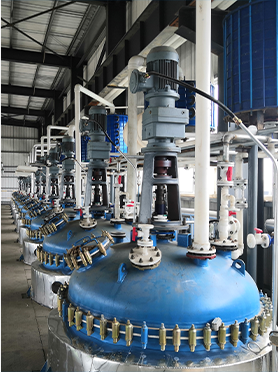
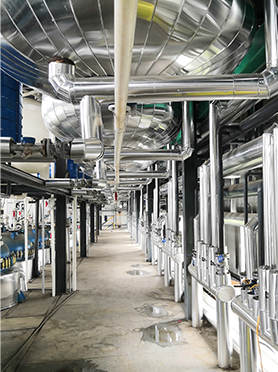
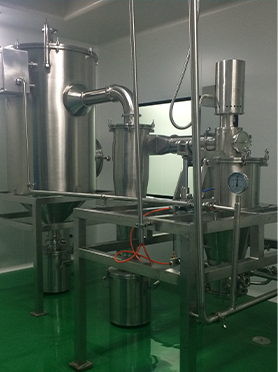
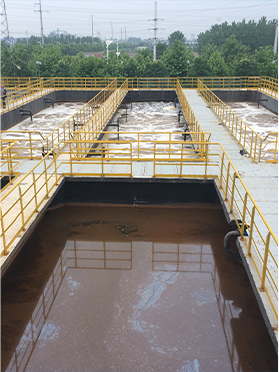
Manufacturing Facilities
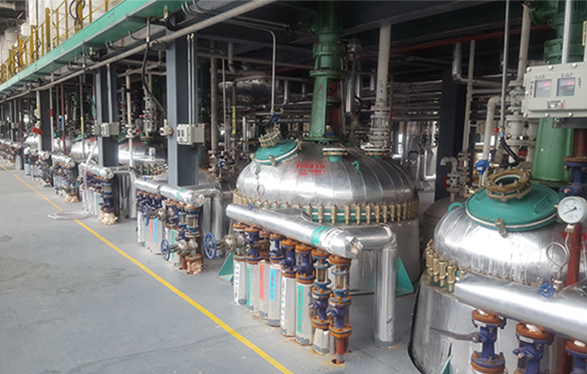
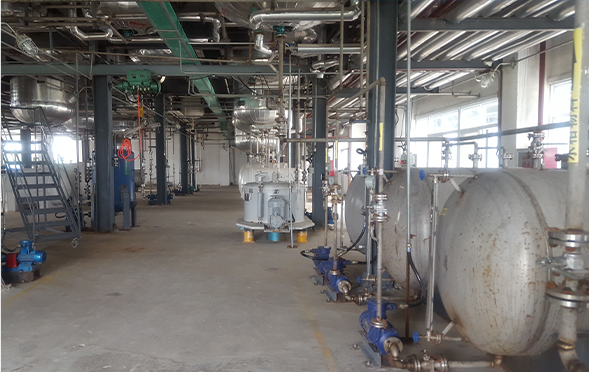
NINGBO INNO PHARMCHEM CO.,LTD. was established in 2007. It is committed to the R&D, production and sales of raw materials, pharmaceutical intermediates and fine chemicals. We striving to create a high-efficiency and high-quality integrated chemical service platform to better serve domestic and foreign customers.

Professional Export Experience

to Global Customers
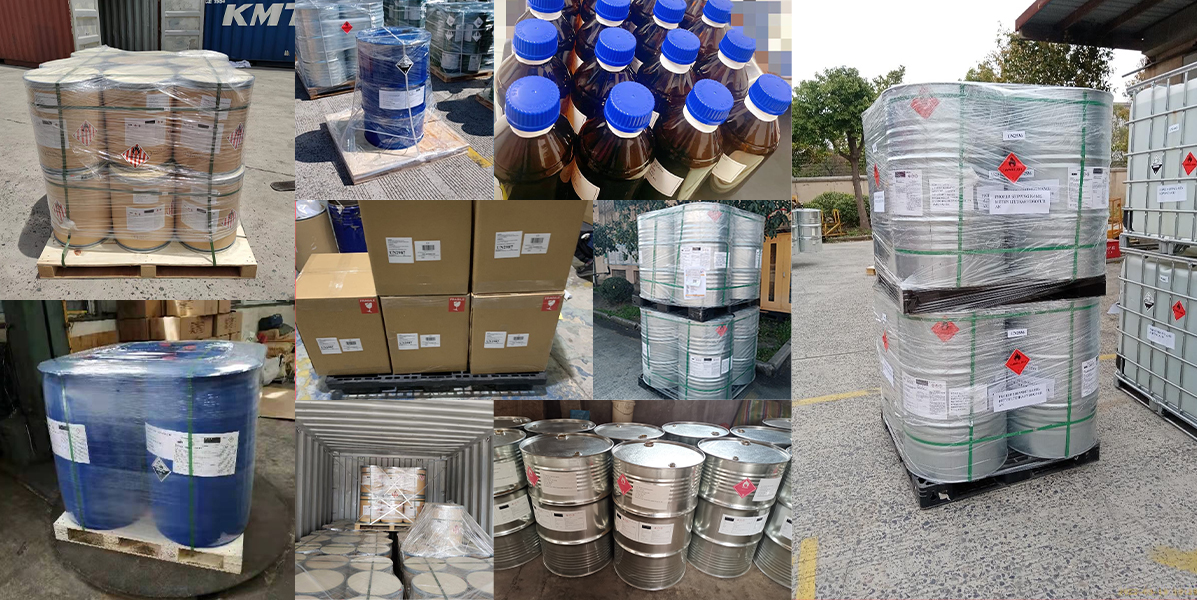
WHY CHOSE US?

1. 20 years of R&D, manufacturing and sales experience, serving customers in 60 countries and regions around the world;

2. Own R&D laboratory, pilot platform and large-scale production workshop, which can meet the audit requirements of global customers;

3. We can satisfy customers' perfect transition from small scale lab requirements (gram level) to commercialization requirements (hundred tons level).

FAQ

  • A: We don't have Minimum Order Quantity, exact quantity should be provided before quotation for us to calculate the exact cost.

  • A: We don't provide free samples due to lots of request and expensive international courier's cost, we can deduct the sample charge after commercial order placed.

  • A: Our payment terms: Small or sample order: T/T IN ADVANCE. Commercial order: First order should be by T/T IN ADVANCE or L/C at sight, and following orders T/T 30~90days is acceptable subject to approval of credit application.


CONTACT US
Should you need to contact us; you may call during regular business hours, Monday through Friday, 8am – 6 pm.
NINGBO INNO PHARMCHEM CO.,LTD.
Address: No.163 Ruiqing Rd.,Ningbo 315000 China
Phone: 86-574-87319282
Fax: 86-574-27912196
SEND US AN EMAIL

NAME*

EMAIL*

COMPANY

COUNTRY*

MESSAGE*

Previous: Mining Applications of Polyacrylamide: Tailings Thickening and Water Recovery

Next: Choosing the Right Peptide Coupling Reagent: A PFTU Guide

All Rights Reserved