
Custom Manufacturing, Project Outsourcing, your Trusted Partner from China
In the competitive textile industry, the tactile quality of a fabric is as crucial as its visual appeal. Achieving a soft, pleasing handle is a significant factor in consumer satisfaction and brand loyalty. While softeners are the primary agents for imparting this characteristic, the underlying print paste formulation, particularly the thickener, also plays a subtle yet important role. For businesses looking to buy high-performance textile finishing chemicals, understanding the synergy between thickeners and softness is key.
Anionic thickeners, widely used in pigment printing, are designed to optimize the rheology of print pastes. This optimization is not just about achieving sharp prints; it also influences how the paste interacts with the fabric during the printing and subsequent finishing processes. A well-formulated paste, thickened with an advanced anionic agent, allows for a more even distribution of the binder and pigment. When the fabric is cured and washed, this even distribution can contribute to a smoother surface and a less stiff feel. While the thickener itself doesn't impart softness directly like a dedicated softener chemical, its role in creating a print paste that doesn't create a stiff or rough layer is significant.
Furthermore, modern anionic thickeners are often formulated to be APEO-free and formaldehyde-free. This commitment to cleaner chemistry means that the resulting print paste is less likely to leave behind residues that could negatively impact the fabric's hand feel or cause irritation. By minimizing harsh chemical components, these thickeners support a gentler finishing process, allowing the primary softening agents to work more effectively. For textile manufacturers, sourcing these eco-friendly and performance-driven auxiliaries from a reputable manufacturer in China ensures quality and compliance.
The selection of a thickener for textile finishing applications should consider its impact on the overall formulation. Compatibility with other finishing agents, such as resins, softeners, and anti-static agents, is crucial. The goal is to create a synergistic effect where each component contributes positively to the final fabric properties. Anionic thickeners that offer good stability and are effective at lower dosages can help maintain the desired viscosity without making the paste overly heavy, which could potentially lead to a stiffer finish. Engaging with a knowledgeable textile auxiliary agent supplier can provide guidance on selecting the optimal thickener for specific finishing requirements.
Ultimately, achieving superior fabric softness is a multi-faceted process. While dedicated softeners are indispensable, the performance of the print paste, facilitated by effective anionic thickeners, cannot be overlooked. By choosing thickeners that promote even pigment binding and are formulated with environmental and safety considerations in mind, textile manufacturers can enhance both the visual and tactile qualities of their products. For businesses seeking to elevate their textile finishing, exploring the offerings of experienced textile chemical manufacturers is a strategic step toward achieving superior softness and market competitiveness. Consider us your partner in delivering exceptional fabric feel, offering competitive pricing and expert support.
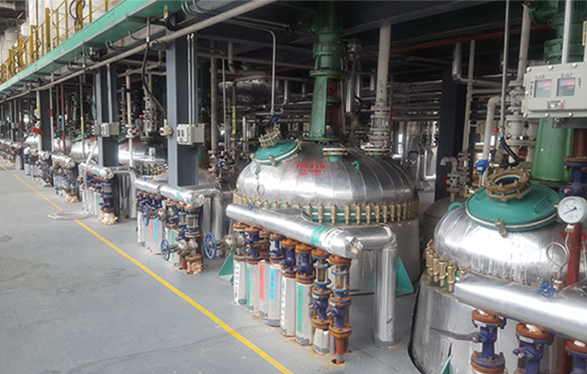
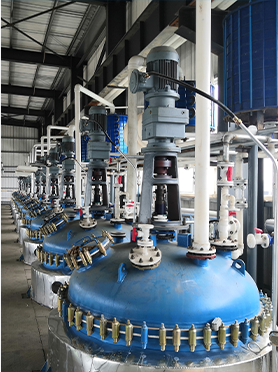
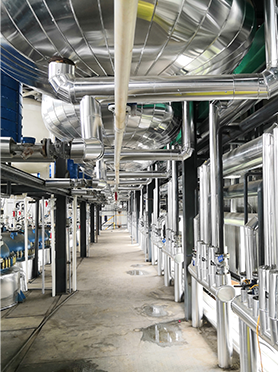
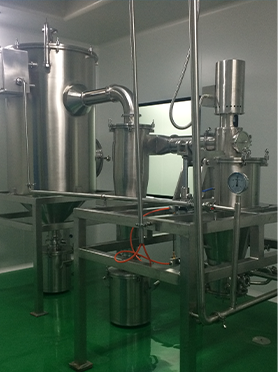
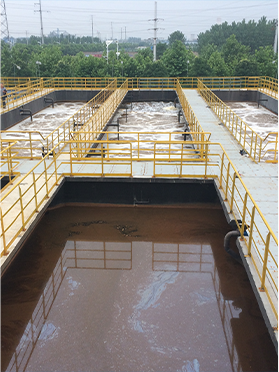
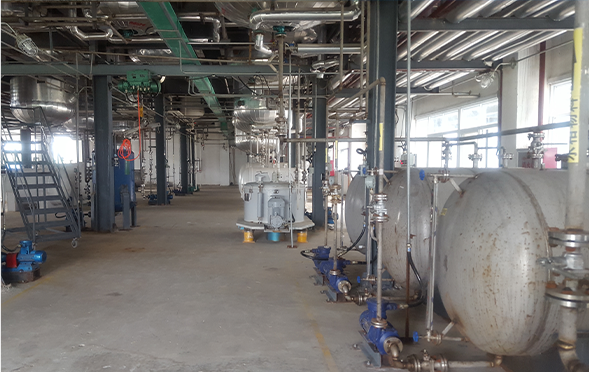
Manufacturing Facilities
Professional Export Experience
to Global Customers
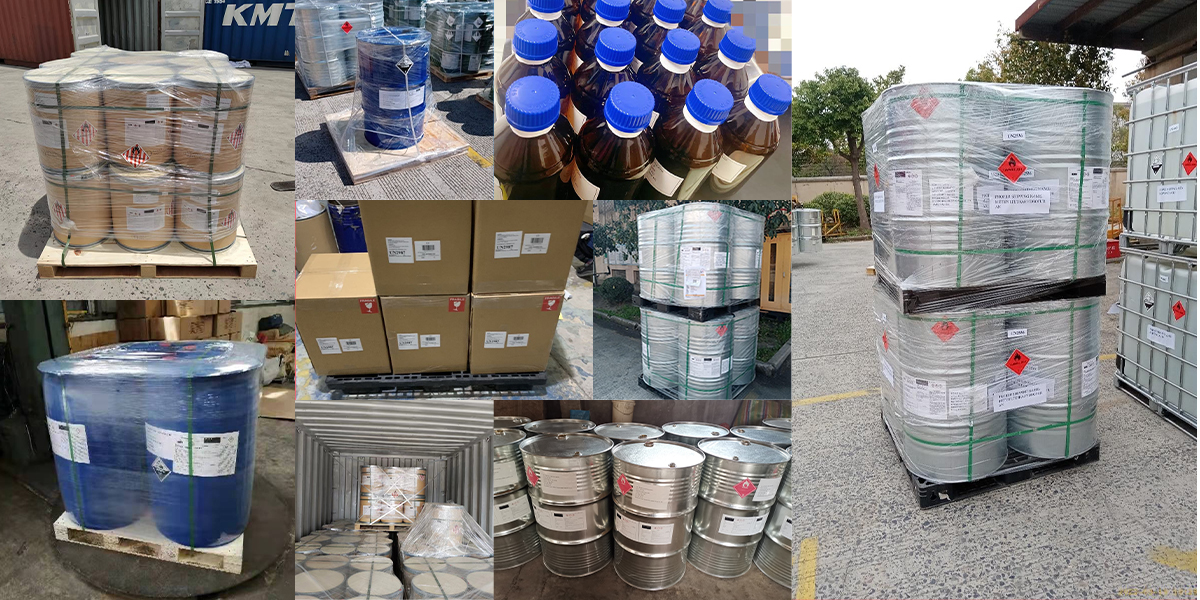
1. 20 years of R&D, manufacturing and sales experience, serving customers in 60 countries and regions around the world;
2. Own R&D laboratory, pilot platform and large-scale production workshop, which can meet the audit requirements of global customers;
3. We can satisfy customers' perfect transition from small scale lab requirements (gram level) to commercialization requirements (hundred tons level).
A: We don't have Minimum Order Quantity, exact quantity should be provided before quotation for us to calculate the exact cost.
A: We don't provide free samples due to lots of request and expensive international courier's cost, we can deduct the sample charge after commercial order placed.
A: Our payment terms: Small or sample order: T/T IN ADVANCE. Commercial order: First order should be by T/T IN ADVANCE or L/C at sight, and following orders T/T 30~90days is acceptable subject to approval of credit application.