
Custom Manufacturing, Project Outsourcing, your Trusted Partner from China
The field of organic electronics is characterized by continuous innovation, with OLED technology leading the charge in display and lighting advancements. The performance of an OLED device is intrinsically linked to the quality and specific properties of the organic materials used. This dependency places significant emphasis on the intermediates employed during material synthesis. One such crucial intermediate is (4-Pyren-1-ylphenyl)boronic acid, a compound we proudly offer as a leading OLED intermediate supplier.
Chemists and material scientists working on OLEDs rely on intermediates that offer precise control over molecular structure and electronic characteristics. (4-Pyren-1-ylphenyl)boronic acid, presented as a white powder with a high purity assay of ≥99.0%, serves precisely this purpose. Its molecular structure, featuring a pyrene group attached to a phenylboronic acid moiety, is instrumental in creating advanced materials for a range of OLED applications. For instance, it is integral to synthesizing host materials that facilitate efficient charge transport and energy transfer, leading to improved device efficiencies in blue fluorescent, green, and red phosphorescent OLEDs.
The process of synthesizing OLED emitters and hosts often involves cross-coupling reactions, where the reactivity and stability of the boronic acid component are paramount. (4-Pyren-1-ylphenyl)boronic acid provides the necessary chemical functionality for these reactions, enabling the construction of complex, high-performance molecules. Its thermal stability, indicated by a boiling point of 138°C, is another critical factor that ensures its suitability for demanding synthesis protocols commonly used in chemical manufacturing.
For R&D teams and procurement specialists looking to buy (4-Pyren-1-ylphenyl)boronic acid, understanding its contribution to overall device performance is key. As a supplier in China, we are committed to delivering materials that meet stringent quality standards, ensuring that your synthesized OLED materials will exhibit the desired properties. The price of such specialized intermediates reflects the advanced synthesis techniques and rigorous purification required, making it a crucial consideration for project viability.
The ongoing development of OLED technology necessitates continuous improvement in material efficiency, color purity, and operational lifespan. Intermediates like (4-Pyren-1-ylphenyl)boronic acid are at the forefront of this innovation, allowing for the design of molecules that can achieve deeper blues, more efficient energy transfer, and greater device stability. By providing access to these essential chemical building blocks, we aim to empower manufacturers and researchers to push the boundaries of what's possible in organic electronics.
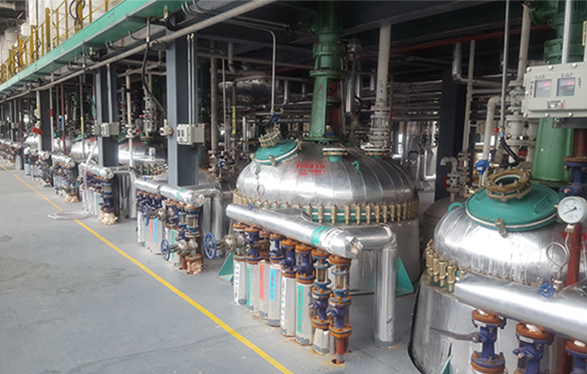
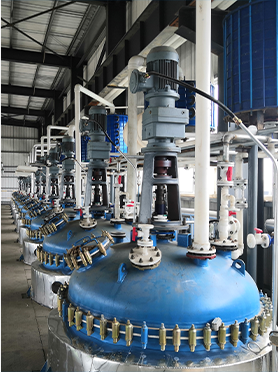
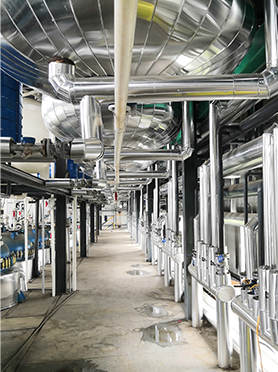
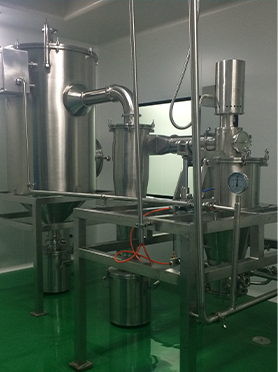
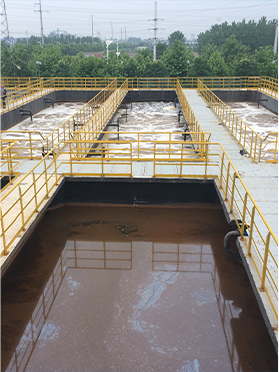
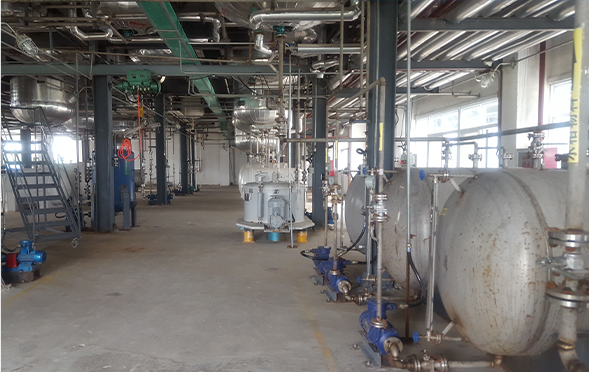
Manufacturing Facilities
Professional Export Experience
to Global Customers
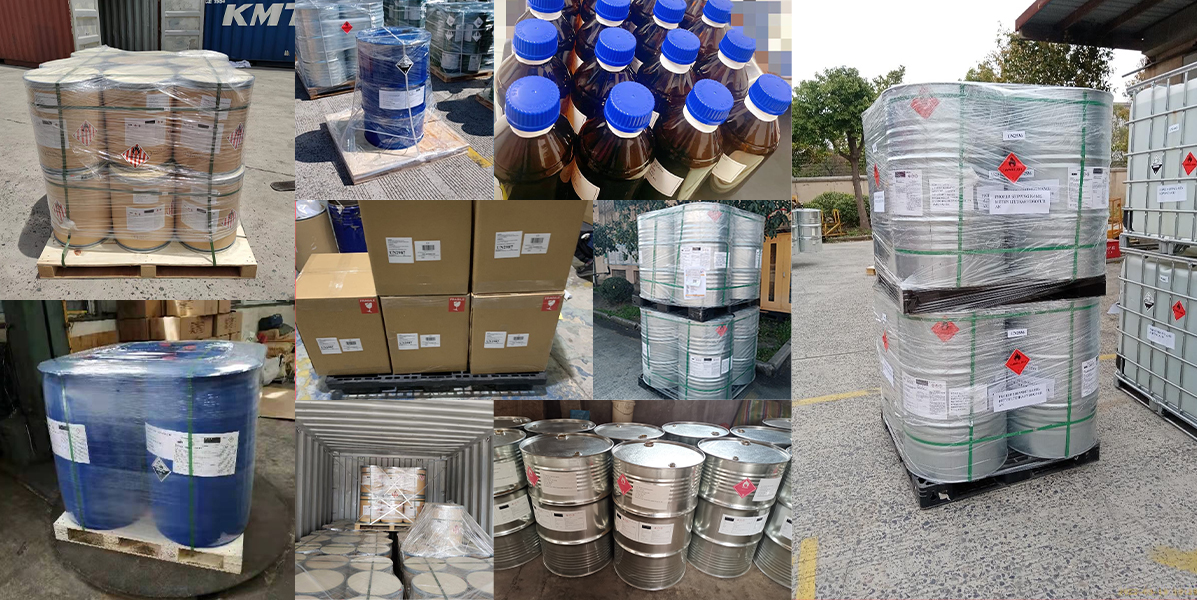
1. 20 years of R&D, manufacturing and sales experience, serving customers in 60 countries and regions around the world;
2. Own R&D laboratory, pilot platform and large-scale production workshop, which can meet the audit requirements of global customers;
3. We can satisfy customers' perfect transition from small scale lab requirements (gram level) to commercialization requirements (hundred tons level).
A: We don't have Minimum Order Quantity, exact quantity should be provided before quotation for us to calculate the exact cost.
A: We don't provide free samples due to lots of request and expensive international courier's cost, we can deduct the sample charge after commercial order placed.
A: Our payment terms: Small or sample order: T/T IN ADVANCE. Commercial order: First order should be by T/T IN ADVANCE or L/C at sight, and following orders T/T 30~90days is acceptable subject to approval of credit application.